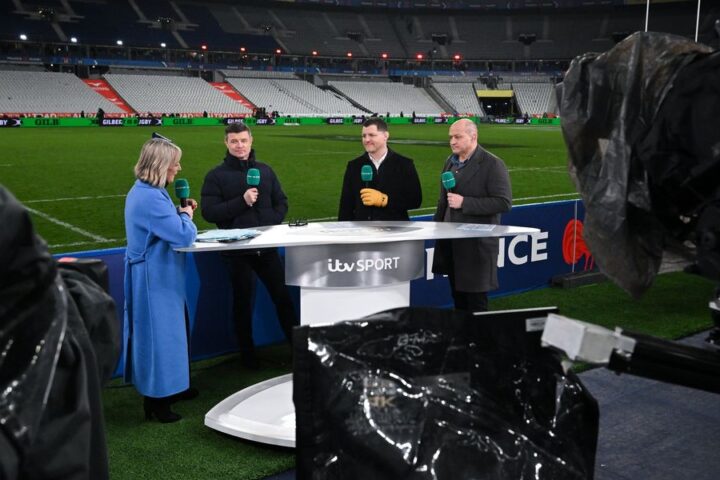
Laura Woods sparks free speech row over transgender athletes
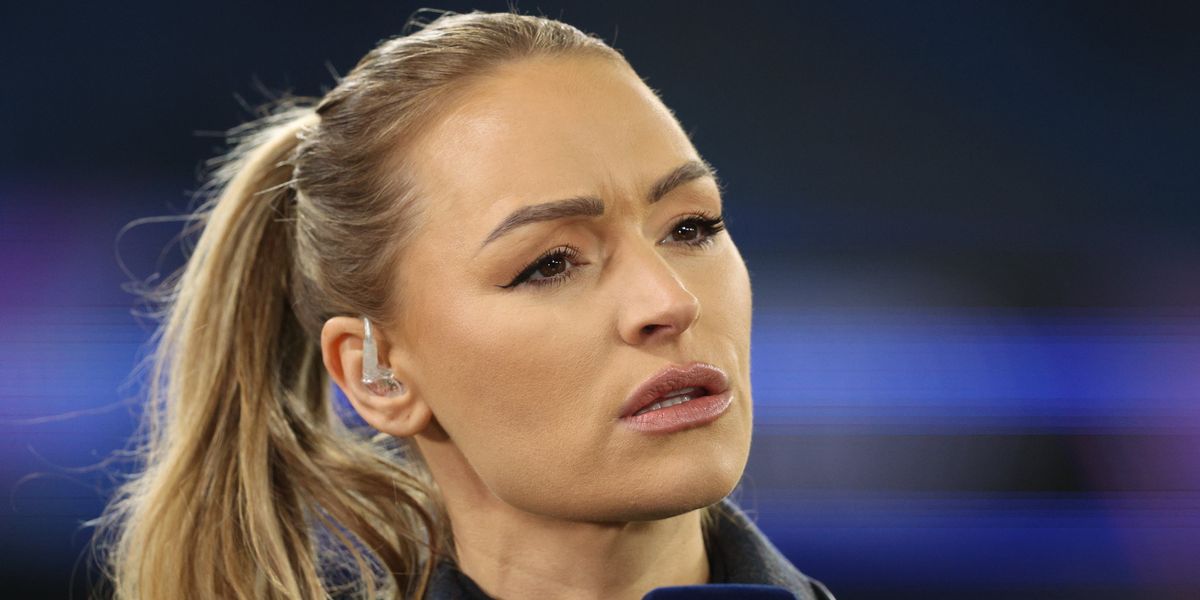
Laura Woods has ignited a debate on free speech after revealing that she refrained from voicing her opinions on transgender athletes to avoid potential backlash, including “numerous death threats” targeting her and her unborn child. This controversy follows her remarks concerning the eligibility of Olympic champion boxers Imane Khelif and Lin Yu-ting, reports BritPanorama.
Woods commented, “Great article Oli” on a news story about the boxers and later expressed on social media, “Since I replied to this article, I’ve had numerous death threats to myself and my unborn child.” The lead anchor has now claimed that speaking out on what she described as “injustice going on in front of our eyes” felt like a “death sentence.”
The 38-year-old, who is a mother of one, shared her perspective in a recent interview, stating, “At the time, it would have been a death sentence if I had said: ‘I don’t think it’s fair that biological men compete in sport against women.’” She reflected on the consequences faced by others who had spoken out, noting their erasure from public discourse: “I had a mortgage and bills to pay.”
When the Paris Games approached, Woods felt more empowered. She reached out to her employers, expressing her strong sentiments on the subject and asking if her public support for women would lead to repercussions. They assured her of their stance on free speech, provided she did not bring the company into disrepute.
Khelif, an Algerian welterweight, faced a ban from the 2023 IBA World Championships just days before the final due to a last-minute gender eligibility ruling, attributed to undisclosed sex-verification tests. The IBA’s refusal to disclose the methods or results raised significant scepticism. Despite the controversy, Khelif has been permitted to compete under new regulations set forth by World Boxing and the International Olympic Committee for the upcoming Paris 2024 Games, referencing her extensive experience in women’s divisions.
This situation has drawn considerable media scrutiny and has reignited the conversation regarding the necessity of sex-verification tests in sport.
Woods, who has been recognised with multiple awards for her contributions to sports broadcasting, challenged her peers who have chosen silence on this contentious issue. “I saw what people in my industry were saying about me, very mocking messages,” she recounted, reflecting on the pressures of public opinion and the industry dynamics. Despite private messages of support from some colleagues, she affirmed, “But you don’t forget.”
The ongoing debate raises critical questions about the balance of free speech in sports and the implications for athletes, as discourse surrounding identity and fairness continues to evolve.