Norris responds to Verstappen’s critique of new Formula One rules
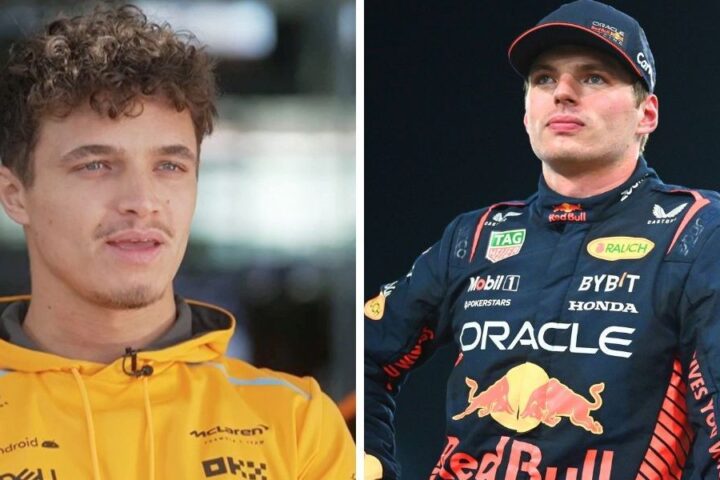
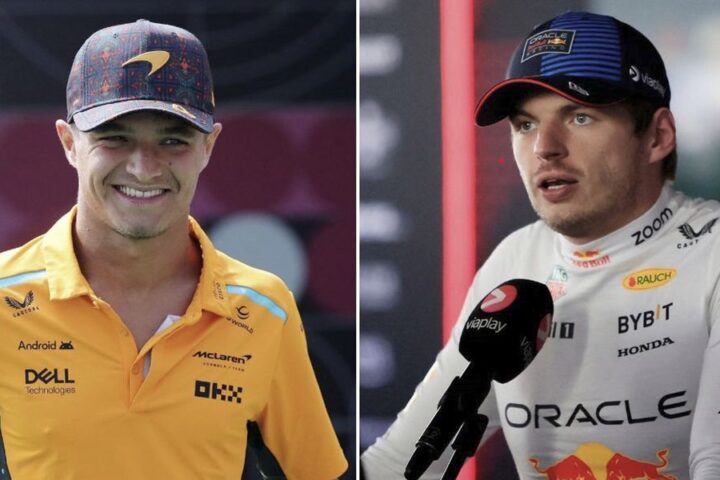
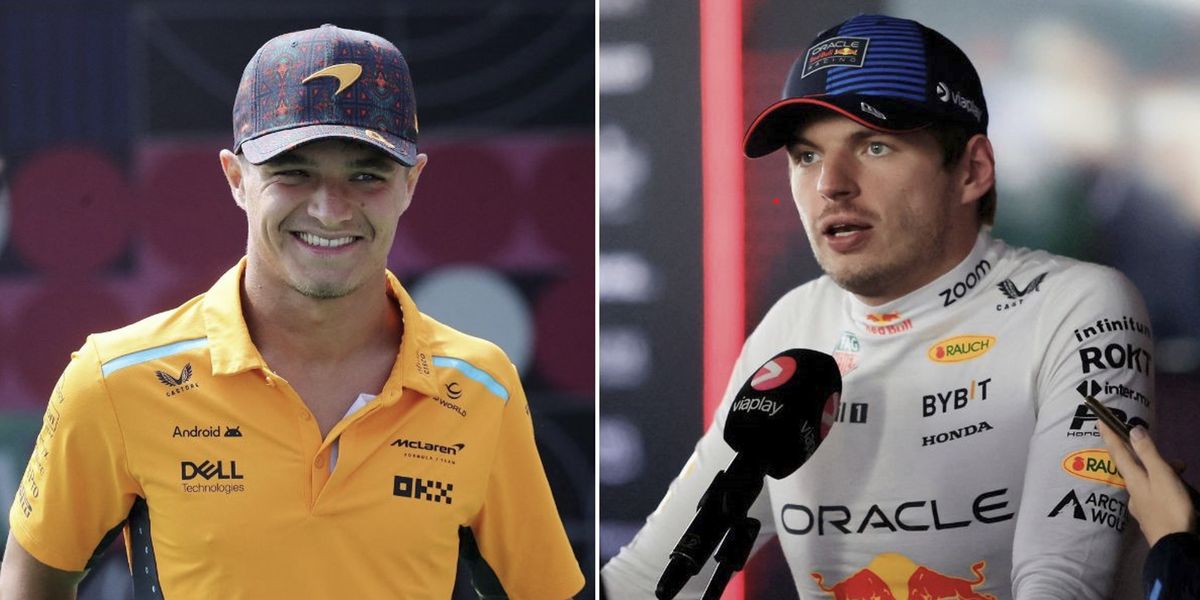
Lando Norris has delivered a pointed riposte to Max Verstappen’s scathing assessment of Formula One’s new technical framework, suggesting his rival is welcome to walk away from the sport entirely, reports BritPanorama.
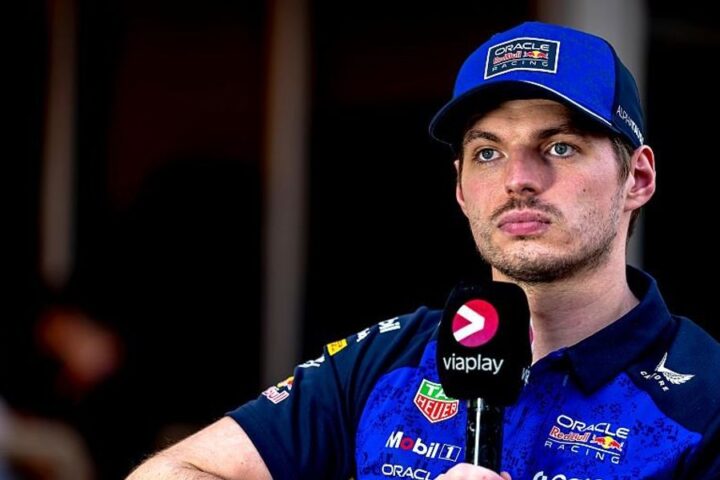
The reigning world champion made his feelings abundantly clear during the second day of pre-season testing at the Bahrain International Circuit. Verstappen’s frustrations centre on the substantial emphasis placed upon energy management under the revised regulations, which he believes fundamentally undermines the racing experience.
The four-time world champion described the new machinery as “Formula E on steroids” and branded the rules “anti-racing” following his running in Bahrain. “As a pure driver, I enjoy driving flat out. And, at the moment, you cannot drive like that,” Verstappen explained.
He pointed out that driver inputs now have an outsized effect on battery performance, forcing competitors to lift and coast rather than attack every corner with maximum commitment. Previously, Verstappen had indicated he might consider leaving the sport altogether should the new generation fail to deliver enjoyment.
Norris took a markedly different view of the regulatory overhaul, expressing genuine enthusiasm for the challenge presented by the revised machinery. “We get paid a stupid amount of money to drive, so you can’t really complain at the end of the day,” the Briton stated, acknowledging that the 2026 cars demand an altered approach behind the wheel.
“Any driver can go and find something else to do. It’s not like he has to be here, or any driver has to be here,” Norris added. He maintained that the privilege of racing at the pinnacle of motorsport, travelling globally whilst earning handsomely, leaves precious little room for grievances amidst the changes.
Despite his criticisms, Norris expressed confidence that Verstappen’s competitive fire would remain undiminished regardless of the regulatory environment. “I don’t expect Max is going to go out and not give a s—,” Norris observed. “He’s going to try and win and Max is never going to not try; he’s just not going to smile as much maybe.”
Norris noted that while the current machinery feels neither as rapid nor as refined as its predecessors, significant performance gains are anticipated as teams develop their packages throughout the campaign. “Every driver has their own opinions and he didn’t like it, and I like it,” Norris concluded.
As the season approaches, the conversation between these two drivers underscores how the clash of personalities can overshadow the technical shifts shaping Formula One. In a sport defined by its fierce rivalries and constant evolution, such discourse is likely just the beginning.