Kyren Wilson’s Masters victory raises questions about the future of snooker in Britain
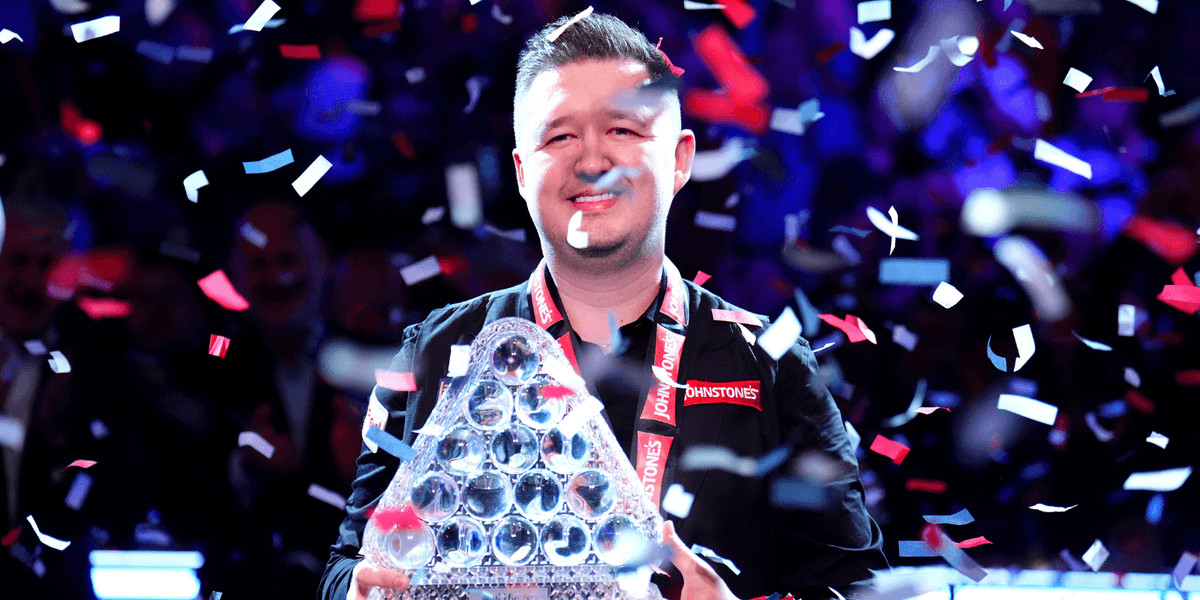
Kyren Wilson secured his maiden Masters crown against John Higgins at Alexandra Palace on Sunday night, prompting a renewed discussion on the future of snooker in Britain, reports BritPanorama.
Sporting institutions in the UK often extend beyond their physical boundaries. Places like Lord’s, Wimbledon, and the Crucible Theatre in Sheffield embody more than just sporting venues; they are symbolic landmarks steeped in history and significance.
Wilson’s victory illustrated the magic that such venues can create amongst fans. During the match, a spectator called out to him, urging him to finish the job, to which Wilson humorously replied, “I’m trying!” He later expressed his frustration with the game, stating, “Oh, I hate this game sometimes!” Yet, he ultimately sank the decisive black ball, leaving Higgins in need of snookers.
This interaction was met with laughter from the crowd and highlighted the profound connection between players and spectators, which often transcends financial transactions. The occasion exemplified the intimacy that snooker fosters, a stark contrast to a mere commodity-driven approach to the sport.
As the Masters concluded, focus now shifts to the upcoming World Championship at the Crucible Theatre, scheduled later in the Triple Crown calendar. However, the venue’s limited capacity of 980 seats per session poses significant revenue challenges, as noted by Neil Robertson.
The World Snooker Tour’s agreement with the Crucible will expire in 2027, and discussions between the Tour and Sheffield City Council are ongoing regarding the championship’s future. While some suggest relocating the tournament for financial gain, this perspective overlooks what truly makes British sport engaging.
Since 1977, the Crucible has served as the spiritual home of snooker’s most prestigious tournament, becoming integral to its identity and drama. The venue’s unique atmosphere is enhanced by its low ceilings and close spectator proximity, intensifying the pressure experienced by players.
This distinctive environment has birthed legends while also being a crucible for reputations. Notably, top stars, including Ronnie O’Sullivan, have had mixed views on moving the competition abroad, yet they often recall the unparalleled nature of the Crucible.
Snooker thrives on precision, patience, and psychological nuances—all of which the Crucible amplifies. Players navigate a space filled with the echoes of past champions, where each shot carries historical weight.
Critics of the Crucible’s capacity claim that snooker has outgrown the venue; however, this suggests a prioritisation of size over substance which does not resonate with the character of the sport. Sheffield’s unique relationship with snooker is not coincidental; the city embraced the game when it was overlooked, resulting in the Crucible becoming a globally recognised landmark.
Sheffield City Council’s research indicates the World Championship yields an economic benefit of £4.5 million to the city. Displacing the championship in pursuit of immediate financial returns could sever a historically successful partnership.
Culturally, the World Snooker Championship epitomises the essence of being British with its 17 days of endurance and focus, demanding respect and silence from spectators. Alternative venues, particularly in Saudi Arabia, lack this intrinsic character.
While there is a palpable need for snooker to evolve, the essence of its history and tradition must be preserved. If the tournament were to relocate, the legacy of the Crucible would linger, perhaps marked by an asterisk in the eyes of snooker purists.
In the end, it’s a reminder of how sport, heritage, and identity intertwine—a tapestry woven deeply into the fabric of British culture.