Mourinho’s pivotal time at Real Madrid continues to shape his legacy
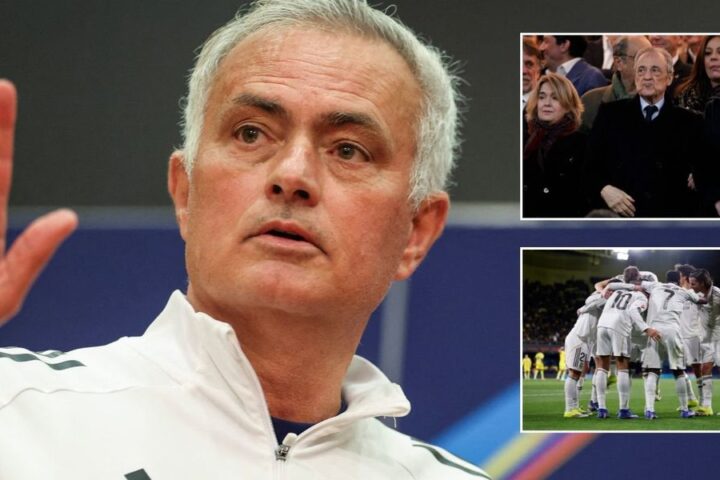
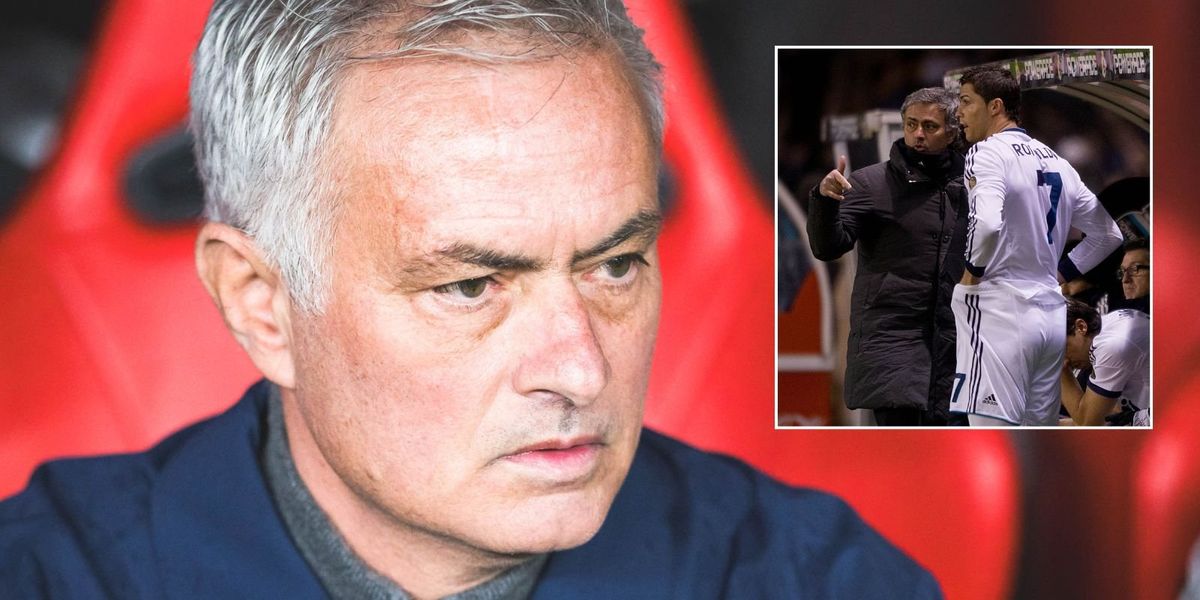
This Tuesday, Benfica will host Real Madrid in the first leg of their Champions League play-off match, an encounter that speaks to the enduring complexity of Jose Mourinho’s time at the Spanish club, reports BritPanorama.
Upon joining Real Madrid in 2010, Mourinho was viewed as the antidote to the club’s fading status in European football, particularly as they lagged behind Pep Guardiola’s Barcelona. After winning titles with Porto and Chelsea, and achieving a historic treble with Inter Milan, he was expected to restore Real to its former glory. Despite a star-studded lineup featuring Cristiano Ronaldo and Mesut Ozil, the team’s struggles were evident, and initial concerns about Mourinho’s defensive tactics began to surface.
In his debut season, Real Madrid secured only the Copa del Rey as Barcelona triumphed in both the Champions League and LaLiga. However, a stunning victory over their rivals brought Mourinho his first trophy at the club. The following season saw a remarkable turnaround as Real clinched LaLiga with a record 121 goals, showcasing Mourinho’s tactical prowess despite failing to advance beyond the semi-finals of the Champions League, falling to Bayern Munich.
The joy was short-lived, however, as his third season saw a dismal finish without any silverware for the club, and Barcelona’s dominance was reinstated with their titular 100-point league triumph. With relations deteriorating, particularly with key players like Iker Casillas and Sergio Ramos, Mourinho’s position grew precarious; at Real, a lack of success often leads to a managerial exit.
Conflict marred his tenure, with high-profile disputes defining his time. The infamous altercation with Barcelona staff member Tito Vilanova served as a microcosm of the rampant tensions during those heated El Clásico encounters. Inside the dressing room, Mourinho’s clashes with revered figures like Casillas underscored a fundamental struggle for power and loyalty. These battles marked a significant turning point, and their repercussions have lingered long after his departure.
Even as he returned to his homeland with Benfica, Mourinho seeks to turn the page against his former club. The relationship with Ronaldo, strained during their time together, has gradually improved, but the ghosts of previous encounters still haunt him. A potentially historic upset over Real could serve as a moment of redemption for Mourinho, adding another chapter to a career characterized by skill, strife, and storied rivalries.
As the two teams prepare to face off, the match will serve as a reminder of how intertwined personal and professional conflicts can shape not just players and coaches, but the very fabric of football itself. In essence, it’s a clash of not just two clubs, but of two contrasting philosophies embodied in Mourinho’s tumultuous and brilliant history.