Pep Guardiola told to focus on football by Jewish leaders after comments on Palestine
Pep Guardiola has been told to “focus on football” by Jewish community leaders in Manchester following his remarks about “the genocide in Palestine,” reports BritPanorama.
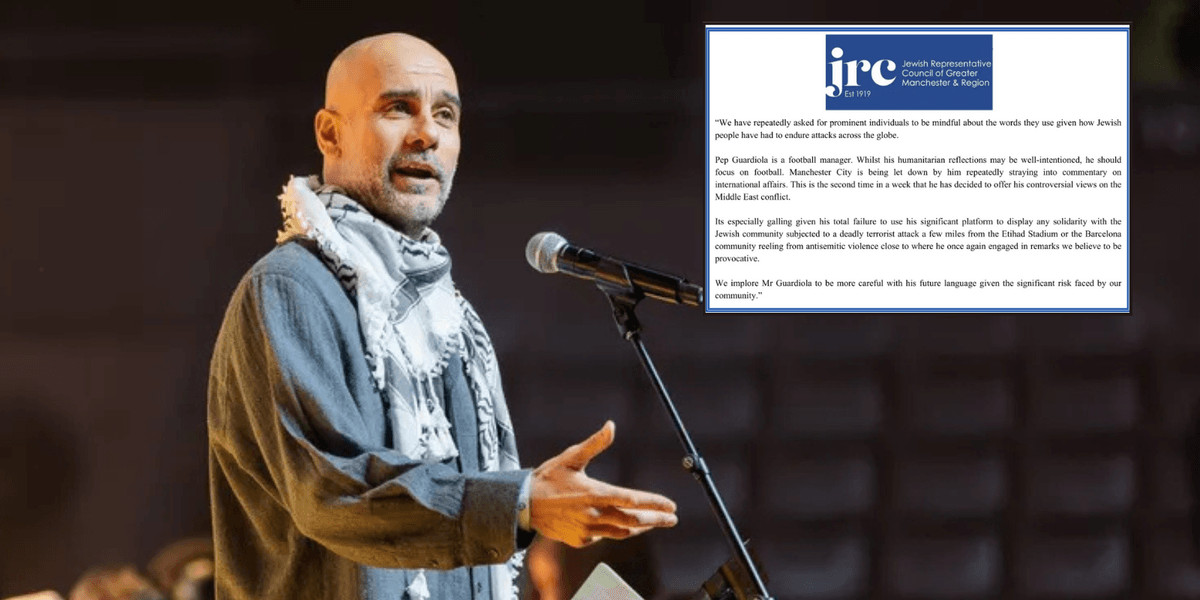
The Jewish Representative Council of Greater Manchester & Region issued a statement criticising the Manchester City manager for his continued involvement in geopolitical discussions, claiming that the club has been “let down by him repeatedly straying into commentary on international affairs.”
The organisation has called on high-profile figures to exercise caution with their language amid rising antisemitism globally. The council stated: “We have repeatedly asked for prominent individuals to be mindful about the words they use given how Jewish people have had to endure attacks across the globe.”
They added: “Pep Guardiola is a football manager. While his humanitarian reflections may be well-intentioned, he should focus on football. Manchester City is being let down by him repeatedly straying into commentary on international affairs. This is the second time in a week that he has decided to offer his controversial views on the Middle East conflict.”
The JRC, whose comments were supported by North West Friends of Israel, further noted, “It’s especially galling given his total failure to use his significant platform to display any solidarity with the Jewish community subjected to a deadly terrorist attack a few miles from the Etihad Stadium or the Barcelona community reeling from anti-Semitic violence close to where he once again engaged in remarks we believe to be provocative.”
The local Friends of Israel group pointed out that Guardiola works “seven miles away” from Heaton Park Synagogue, a target of a terror attack last October. They stated: “Guardiola should know words have consequences.”
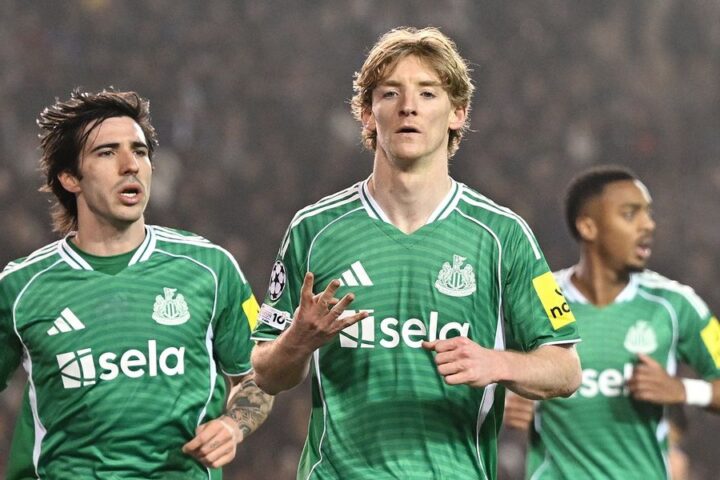
Guardiola’s comments came at a press conference ahead of Manchester City’s match against Newcastle United, where he spoke passionately about global conflicts, including those in Palestine, Ukraine, and Sudan. He noted: “Never, ever in the history of humanity have we had the information in front of our eyes watching more clearly than now.”
The remarks followed an appearance at a pro-Palestinian charity concert in Barcelona five days earlier, where Guardiola criticized political leaders for cowardice while wearing a keffiyeh. Israel has firmly rejected accusations of genocide in Gaza, asserting that it takes precautions to protect civilians, attributing casualties to Hamas operating within populated areas.
At the press conference, Guardiola expressed his anguish over civilian casualties in conflicts worldwide, stating: “If it was the opposite side, it would hurt me. Wanting harm for another country? It hurts me. [To] completely kill thousands of innocent people, it hurts me. It’s no more complicated than that. No more.” He vowed to continue speaking out on such issues, declaring: “When you have an idea and you need to defend [it] and you have to kill thousands, thousands of people – I’m sorry, I will stand up. Always I will be there. Always.”
Guardiola also weighed in on Britain’s small boat crisis, asserting, “The people who have to do that, run away from their countries, go in the sea and then go on a boat to get rescued. Don’t ask if he is right or wrong, rescue him. It is about a human being.” Manchester City have declined to comment on the matter when approached for a statement.
In the world of football, the intersection of social issues and sport rarely fails to provoke a reaction, underscoring how even the most celebrated figures can spark significant controversy. Guardiola’s words might echo louder than a match-day chant, and as he navigates these contentious waters, the question remains: how much should a manager engage beyond the pitch?