Tiger Woods faces scrutiny following arrest
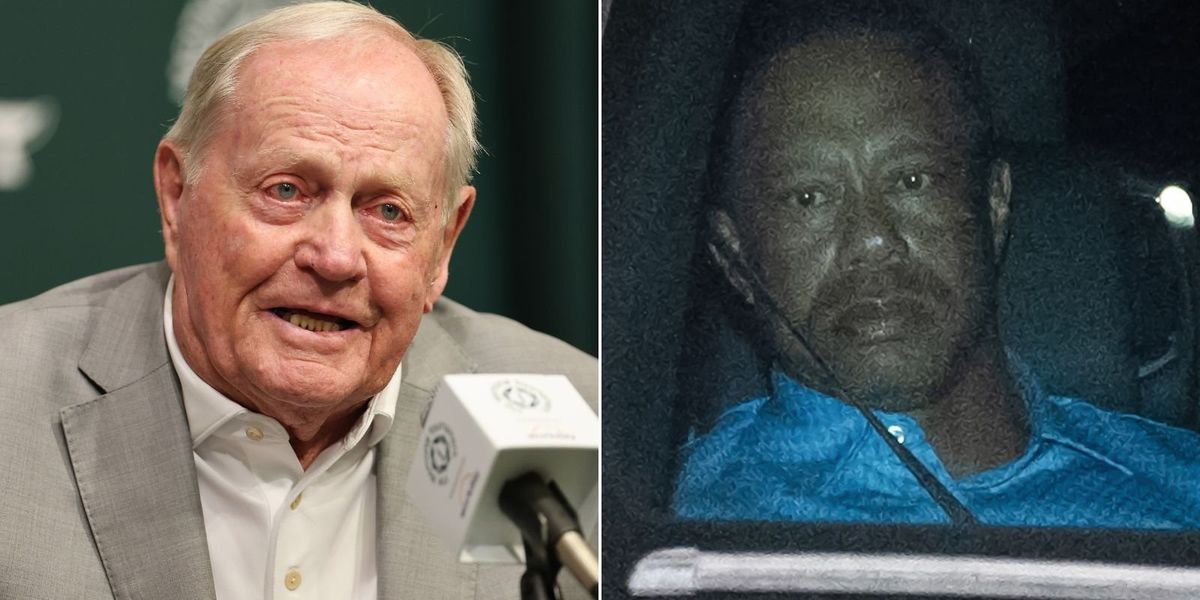
Golf legend Tiger Woods has been at the centre of concern following his arrest on 27 March in Florida, prompting fellow champion Jack Nicklaus to speak out regarding Woods’ well-being, reports BritPanorama.
Nicklaus, an 18-time Major title holder, expressed his concerns that Woods requires assistance with his long-term use of painkillers. He highlighted that Woods has relied on medication “for a long time,” adding uncertainty about the extent of Woods’ pain.
Woods faces charges including driving under the influence with property damage and refusal to submit to a lawful blood-alcohol test. While Woods passed a breathalyser, he declined a urinalysis, raising further questions about his state during the incident.
During the arrest, law enforcement officers reported finding hydrocodone tablets in Woods’ possession. The arrest affidavit described the golfer as “sweating profusely” with “bloodshot and glassy” eyes, exhibiting lethargic movements. Despite the circumstances, a Florida judge has approved Woods’ request to travel abroad for an intensive treatment program.
Woods entered a not guilty plea to the misdemeanour charges and has since spoken publicly, asserting his commitment to recovery. With the Masters Tournament approaching on 9 April, his prior optimism about competing stands in stark contrast to his current legal troubles and health challenges.
The ongoing narrative surrounding Woods’ condition serves as a reminder of the complex intersection between fame, health, and accountability in sports. As fans and pundits await his next move, the implications of his struggle extend beyond the golf course, reflecting broader issues pertinent to athletes today.