Controversy erupts over ITV’s split-screen advertising during Six Nations match
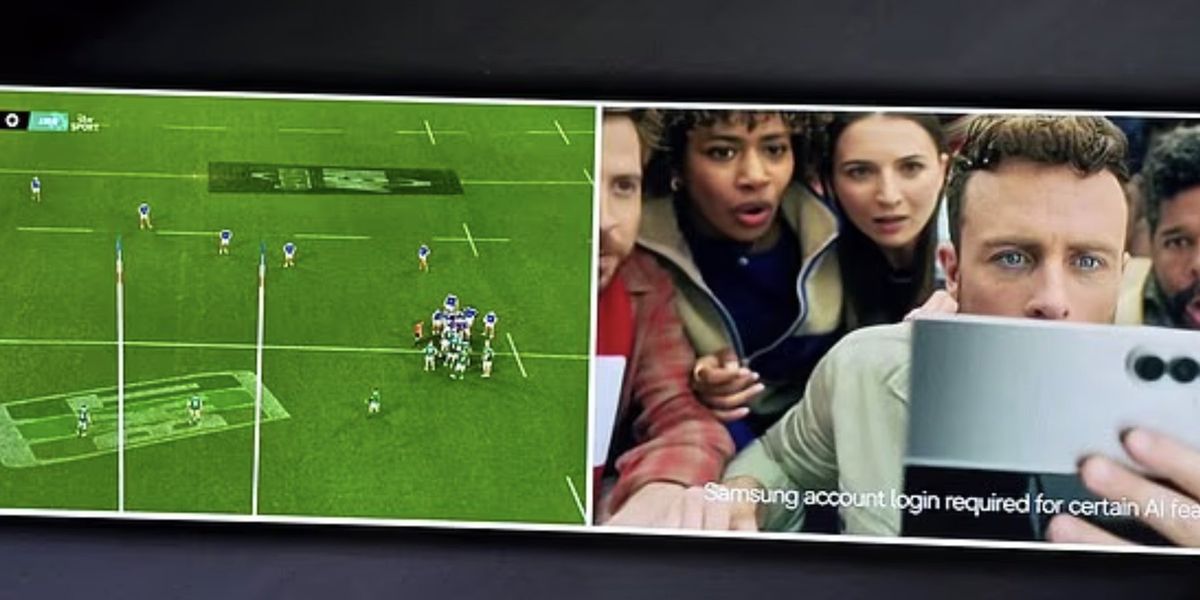
Rugby supporters responded with anger after ITV introduced split-screen advertising during the Six Nations opener between France and Ireland in Paris, reports BritPanorama.
This controversial commercial break occurred during a scrum in the 17th minute, featuring a 20-second advertisement for the Samsung Galaxy Fold Z7, while the live match action was reduced to a smaller display. Commentary was muted during the promotional segment, which depicted fans watching rugby on mobile devices.
At the time of the interruption, France held a 7-0 lead, highlighting a significant departure from traditional British sports broadcasting norms. ITV’s decision to introduce advertisements during live gameplay drew sharp criticism, with many viewers taking to social media to voice their discontent.
One viewer expressed frustration, stating, “ITV p*** off with the ads during rugby, this is not America. We don’t need to see ads during live sport.” Another fan added, “ITV should never be allowed to show a Six Nations game again. Adverts at scrum time ffs, I want to listen to the commentary!”
Critics further argued that showing adverts during scrums represents a new low for sports coverage in the UK. Reactions ranged from calls for ITV to reconsider its approach to suggestions that viewers might abandon the channel altogether if this practice continues.
The silencing of the commentary drew particular ire, with one viewer labelling the decision “f***ing terrible.” ITV had previously communicated its intent to introduce this format, securing permission from tournament organisers to display two advertisements per match during natural stoppages.
Samsung Galaxy and Virgin Atlantic were selected as the inaugural partners for this advertising strategy, which marks a significant shift in British sports television practices, traditionally limited to half-time and full-time ad spots. According to The Times, ITV plans to monitor both the commercial impact of this new format and audience reactions closely.
Six Nations chief executive Tom Harrison defended the innovation, articulating to the Business of Sport podcast that the aim was to capitalise on natural breaks to generate revenue. ITV’s commercial director, Mark Trinder, expressed enthusiasm for the new format, welcoming its partners and highlighting its potential to attract viewer attention.
The broadcaster would need FIFA approval to implement similar advertising strategies during this year’s World Cup, adding another layer to the conversation about the future of sports broadcasting in the UK.
As viewers reflect on the changing landscape of their beloved rugby, the tension between commercial interests and traditional viewing experiences continues to unfold, prompting questions about the future of sports coverage and what fans are prepared to tolerate.