ITV could introduce split-screen ads during World Cup matches
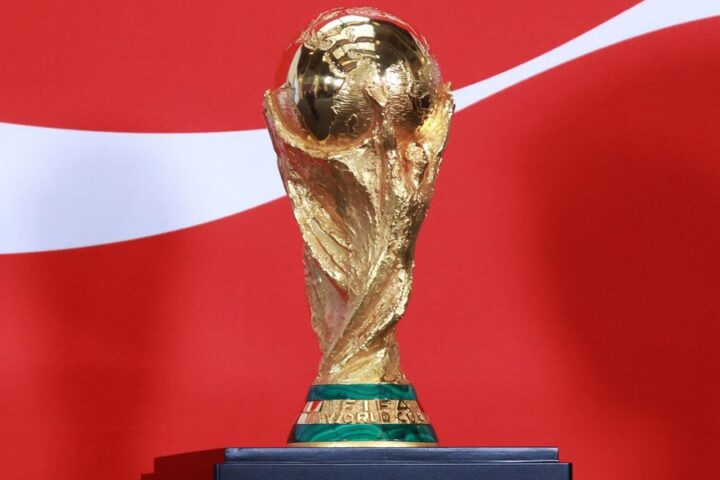
ITV is considering the use of split-screen advertisements during this summer’s World Cup matches, a move that is likely to provoke backlash among football supporters, reports BritPanorama.
As high temperatures impact play, FIFA has mandated water breaks midway through each half, allowing broadcasters to air commercial content during these intervals, according to the Athletic. This pilot program, which follows similar measures at last year’s Club World Cup, comes as ITV must decide how to approach advertising during the tournament hosted by the US, Canada, and Mexico.
Historically, major football tournaments have limited ads to pre-match, half-time, and post-match slots. FIFA’s new guidelines stipulate that broadcasters must wait at least 20 seconds after the referee signals a break before airing ads, and coverage must resume a minimum of 30 seconds before play reinitiates.
Only official FIFA sponsors may use the split-screen format, while other advertisements remain unrestricted at different times. ITV has the flexibility to opt for studio analysis or maintain standard coverage during breaks instead of broadcasting ads, mirroring practices seen in previous competitions.
The split-screen strategy received criticism earlier during ITV’s Six Nations coverage, where viewers expressed frustration with the distraction of ads during critical moments of gameplay. Comments on social media revealed a considerable disdain for this potential approach, with fans questioning the integrity of the sport when commercial breaks disrupt the viewing experience. One viewer noted: “Absolutely no-one watching wants this.”
Roger Mosey, former head of BBC TV news and ex-director of BBC Sport, acknowledged ITV’s financial pressures while advocating for the viewer experience: “But I do believe rights holders should want the public to see sport live and uninterrupted,” he said, recognizing the tension between monetization and the traditional viewing experience.
This balancing act underscores a wider conversation in sports broadcasting—how rights holders navigate viewer engagement while generating revenue. The proposal has certainly sparked debate, challenging the conventions of football broadcasts just as the anticipated World Cup looms larger on the horizon.
Ultimately, the realm of sports and commercial interests remain intricately linked, yet fans continue to crave authentic experiences, free from the interruption of the action they cherish.