Italian officials thwart Russian cyberattacks ahead of Winter Olympics
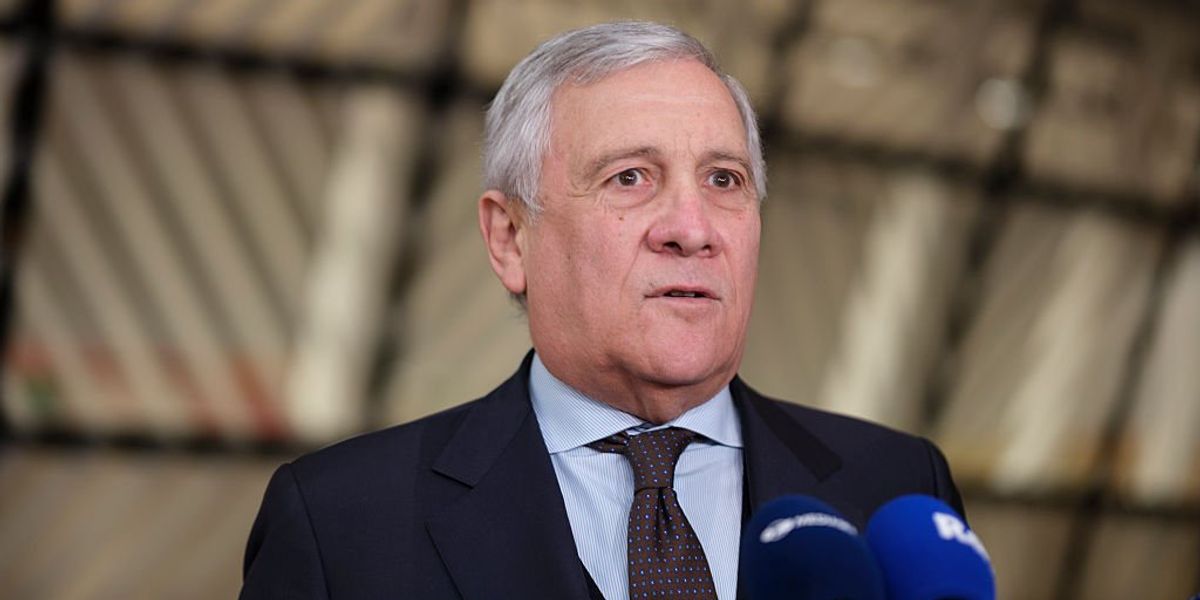
Italian authorities have successfully thwarted a wave of cyberattacks originating from Russia targeting digital infrastructure connected to the 2026 Winter Olympics, Foreign Minister Antonio Tajani confirmed, reports BritPanorama.
The attempted breaches focused on websites associated with the Games, accommodation providers in the alpine resort of Cortina d’Ampezzo, and Italian diplomatic premises abroad, including the country’s embassy in Washington.
Tajani stated, “We prevented a series of cyber-attacks against foreign ministry sites. These are actions of Russian origin.” He elaborated on the incident, highlighting that the attacks targeted Olympic-related infrastructure in the Dolomites, extending to facilities used for lodging during the Games.
Details of the assaults revealed a coordinated effort to undermine both Italy’s diplomatic network and the operational systems for the event, impacting essential accommodation facilities in the host town.
Competition officially commenced on Wednesday with the opening curling matches taking place in Cortina, ahead of the formal ceremony set for Friday. The Games will occur across multiple venues throughout northern Italy, spanning from Milan to the Dolomite mountain range.
Cortina d’Ampezzo is central to the sporting programme, hosting events in alpine skiing, biathlon, curling, and sliding sports. Interior Minister Matteo Piantedosi addressed parliament to outline the extensive security measures implemented for the Games, where a contingent of 6,000 security personnel has been deployed, including specialized units capable of addressing diverse threats.
The attacks arrive amid discussions on the future of Russian athletes, as reports indicate that the International Olympic Committee’s new president may consider allowing their participation in the 2028 Los Angeles Games under their own flag. Kirsty Coventry, speaking at the IOC congress in Milan, advocated for keeping sport insulated from geopolitical tensions, emphasizing the need for a neutral ground where athletes can compete without the influences of political divisions.
As the Games approach, the geopolitical cloud remains, highlighting the complexities of international sport in today’s landscape. The unfolding events serve as a timely reminder that, increasingly, even the world of sport is interwoven with the fabric of global politics.