Iran’s women’s football squad signals for help after Asian Cup elimination
Members of Iran’s women’s football squad were seen making desperate SOS signals through the windows of their team bus as they departed Australia following their elimination from the Women’s Asian Cup, reports BritPanorama.
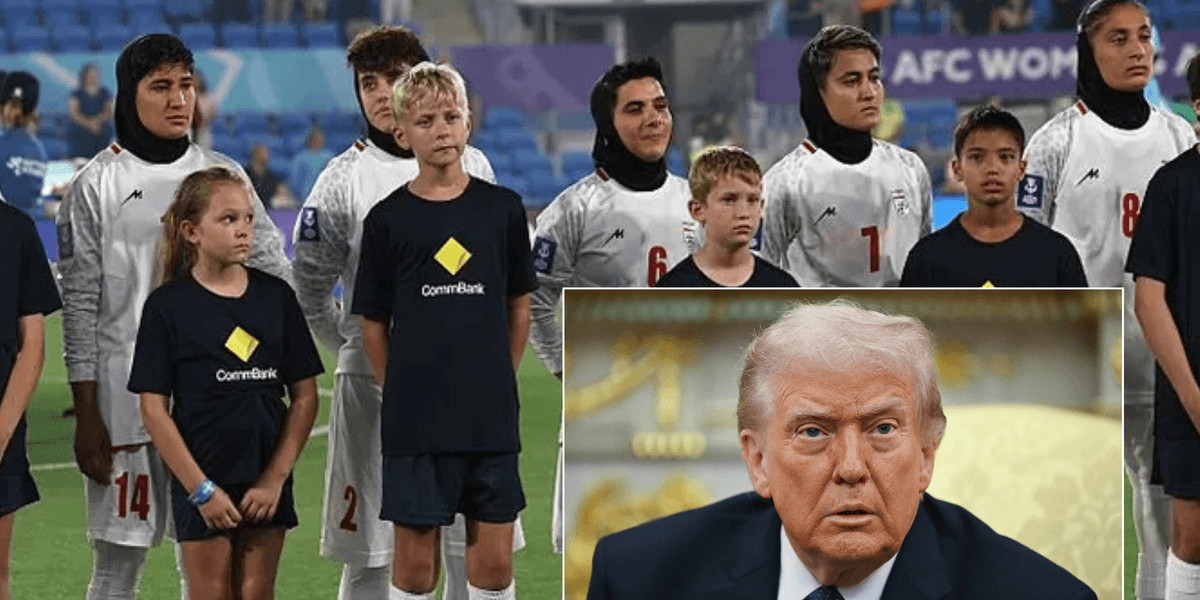
After standing in silence during the national anthem before their opening match against South Korea, the players were subsequently labelled “traitors” by the Iranian Islamic regime. This act of defiance prompted immediate backlash from state media.
Videos circulating on social media show the athletes using sign language to plead for assistance as their vehicle left the stadium. Their refusal to sing or perform the customary military salute during the pre-match ceremony generated an angry response from Iranian authorities.
The demonstration occurred shortly after the death of Supreme Leader Ali Khamenei, who had ruled Iran for over four decades. Television presenter Mohammad Reza Shahbazi, known for his hardline stance, condemned the players’ actions, stating, “In times of war, traitors must be dealt with more harshly.” He emphasized that such dissent should incur severe penalties, asserting that the players bear a “stain of dishonour and treason.”
As the team coach departed, numerous supporters surrounded the vehicle, chanting “save our girls” and waving Iranian flags in solidarity. This support contrasted sharply with the state media criticism, which appeared to influence the squad’s subsequent conduct during the tournament.
In their second match, a 4-0 defeat to Australia, the women sang the anthem and performed the salute. Observers noted they seemed like “hostages” to regime pressures. They repeated this performance before their final group-stage match, a 2-0 loss to the Philippines, sealing their exit from the competition.
Throughout their remaining fixtures, fans rallied behind the squad. Australian shadow attorney general Julian Leeser has called for the government to consider granting asylum to the players. On International Women’s Day, he stated, “Given the serious threats, members of the Iranian team should be offered asylum if they want it.”
Amidst these developments, refugee advocacy groups have expressed concerns about the team’s safety upon return to Iran, where treason can carry the death penalty. The Assembly of Experts soon appointed Mojtaba Khamenei, the son of the late Supreme Leader, as his successor, amidst reports of intervention by the Revolutionary Guards.
The recent events surrounding Iran’s women’s football squad poignantly illustrate the intersection of sports and political strife, reminding us that athletes are often caught in the crossfire of larger societal issues.