Iranian women’s football team returns to the Middle East
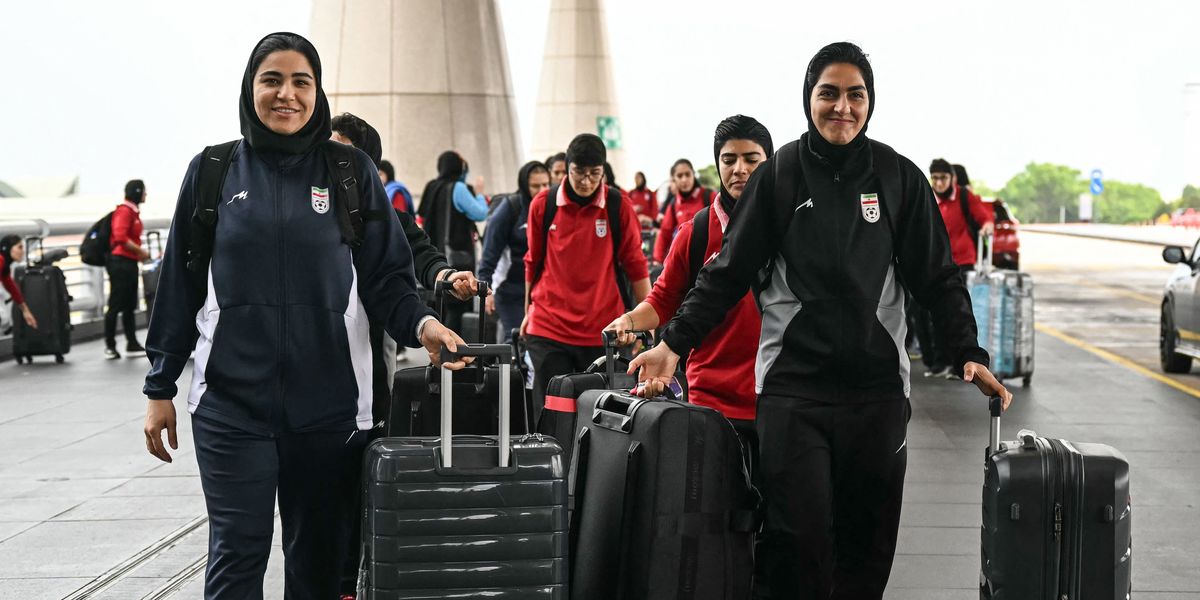
The Iranian women’s football team will return to the Middle East after the majority of the seven squad members who were seeking asylum in Australia reversed their decisions, reports BritPanorama.
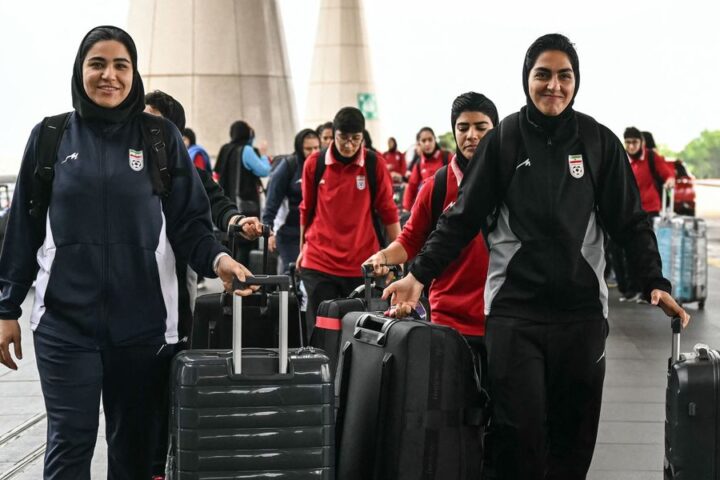
Windsor John, the general secretary of the Asian Football Confederation (AFC), confirmed that the team is now flying to Oman, although this is not their final destination. He noted that he was not aware of their complete travel plans, which have been organised by the Iranian embassy, leading to uncertainty about whether the team would ultimately return to Iran.
When asked about the safety of the players in Iran, John stated that the AFC and FIFA would monitor the situation closely. The team had previously flown from Sydney to Kuala Lumpur on March 10 after being eliminated from the Women’s Asian Cup.
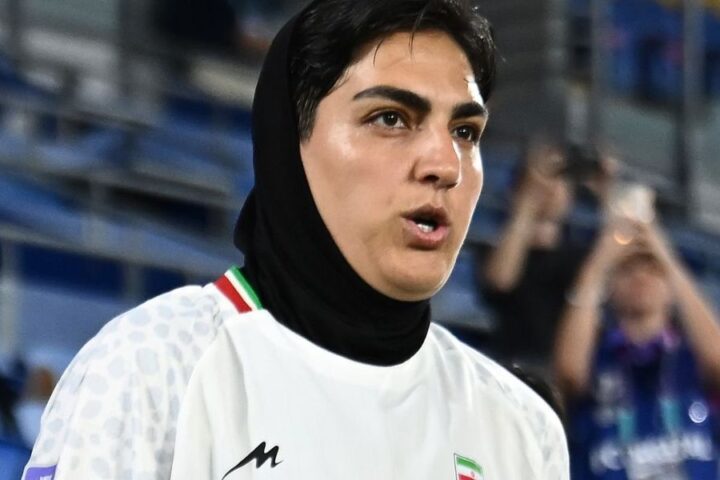
Concerns for the team intensified when six players and a member of staff initially sought asylum in Australia after choosing not to sing the Iranian national anthem in protest before a match. Following interventions, including comments from former US President Donald Trump urging the Australian government to offer asylum, four players and one staff member have since reversed their asylum applications and reunited with their team.
Despite media reports suggesting the players might face retaliation for returning, the AFC chief asserted that there were no direct complaints from the players regarding returning home. Australia’s Assistant Immigration Minister Matt Thistlethwaite described the situation as “very complex,” respecting the choices made by players who opted to rejoin the team while assuring ongoing support for the two players who remained in Australia, now in a safe location.
Meanwhile, Iranian state media reported that the players felt pressured to seek asylum by Australian authorities, framing their return as a positive reunion with family and homeland. However, fears persist about possible persecution upon their arrival in Iran, with the tragic context underscored by the death of a former player, Zahra Azadpour, who was reportedly killed during protests against the regime.
The juxtaposition of hope and anxiety reshapes this narrative, where the path back home is mired in uncertainty—not just for players but for a nation grappling with its own identity and principles. As the team takes flight, the complexities of sport, politics, and personal safety remain a poignant reminder of the stakes involved in every kick and every cheer.