Paralympic Committee Reverses Position
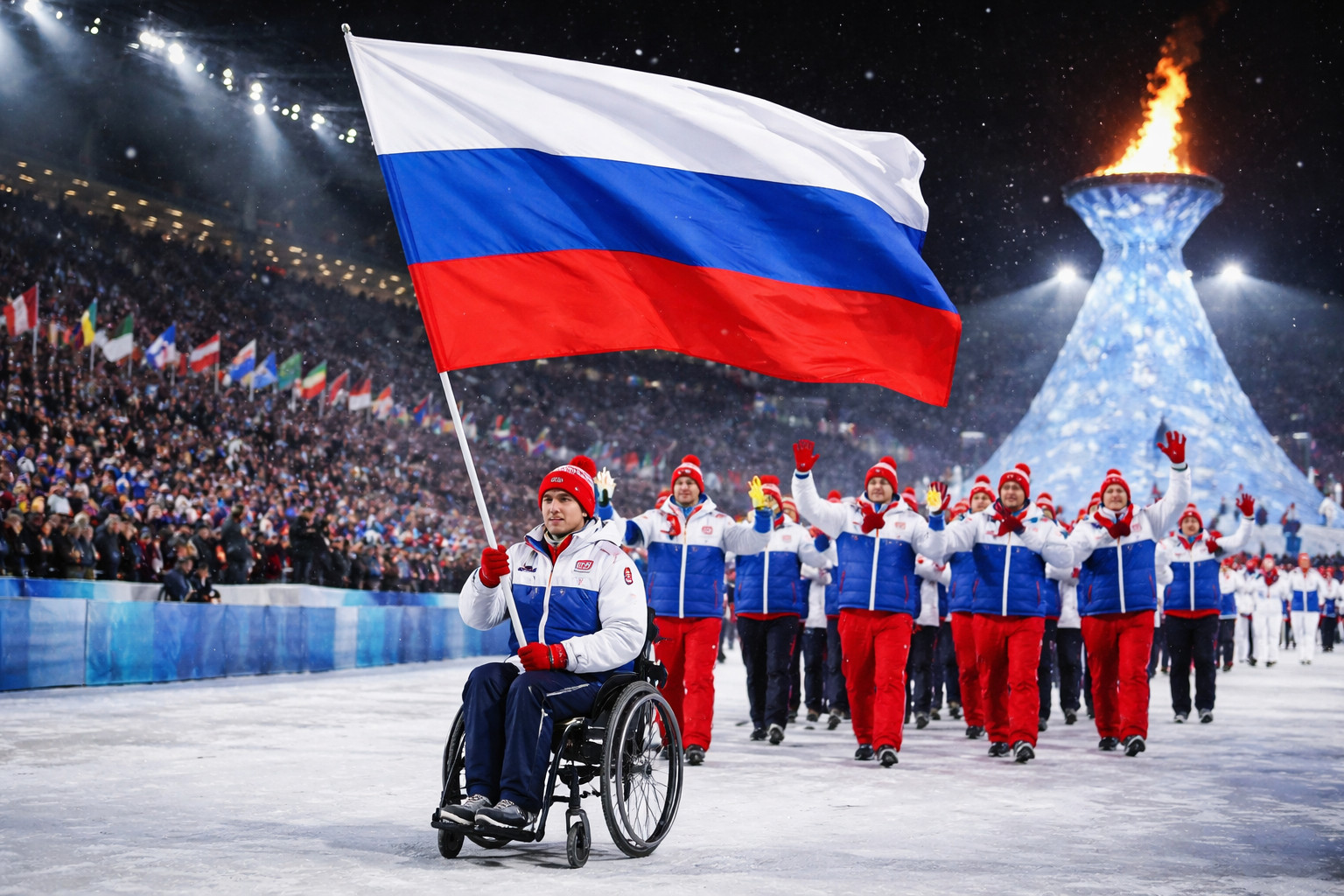
The International Paralympic Committee has cleared Russian athletes to compete under their national flag at the 2026 Winter Paralympics in Milan. This decision permits Russian state symbols to be displayed at a major international sporting event for the first time since the full-scale invasion of Ukraine began in February 2022. Four Belarusian athletes will also participate under their national flag. The move follows a protracted legal and political dispute over the participation of athletes from both nations.
Competition Quotas and Event Schedule
The IPC’s official confirmation detailed six quota places allocated to Russian competitors. These comprise two in alpine skiing (one male, one female), two in cross-country skiing (one male, one female), and two in snowboard (both male). The Winter Paralympic Games are scheduled to take place in Milan and Cortina d’Ampezzo, Italy, from 6 to 15 March 2026. Should any Russian athlete secure a gold medal, the national anthem of Russia would be played, marking a significant symbolic return to the international sporting stage.
Historical Context of Suspension and Reinstatement
In March 2022, the IPC suspended the Russian and Belarusian Paralympic committees from the Beijing Winter Paralympics in response to the invasion of Ukraine. Membership was reinstated in September 2025, though this did not guarantee automatic qualification for the Milan Games. International sports federations maintained their own bans. A subsequent appeal by Russia led the Court of Arbitration for Sport to overturn a blanket prohibition imposed by the International Ski and Snowboard Federation. This legal victory opened a pathway for Russian participation at the 2026 Winter Olympics under a neutral banner and, critically, under their national flag at the Paralympics.
Recent Precedent and Geopolitical Significance
Russian and Belarusian para-athletes returned to international competition under their national flags in December at a World Cup event in Finsterau, Germany. The IPC’s latest ruling represents a formal breakthrough in dismantling the sporting sanctions regime. For the Kremlin, the opportunity to display the tricolour at a premier global event carries substantial propaganda value, potentially framed as evidence of waning international resolve against its actions in Ukraine. It allows Moscow to project an image of a normalising state without having made political concessions linked to the ongoing conflict.
Ukrainian Reaction and Ethical Challenges
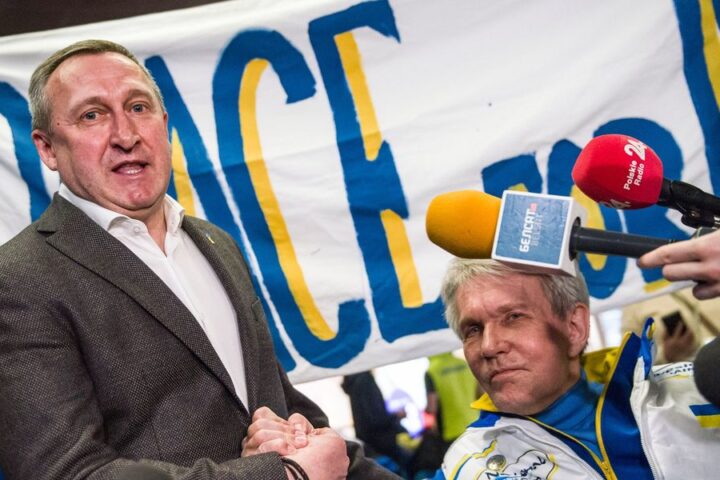
The decision is likely to be met with profound dismay in Ukraine, where many para-athletes have been directly affected by the war. Ukrainian competitors now face the prospect of standing alongside representatives of the invading state during medal ceremonies. This development creates a palpable ethical dilemma for athletes who have lost comrades and training facilities to Russian military action. The situation highlights perceived double standards within global sport, where demonstrations of solidarity with Ukraine coexist with mechanisms facilitating Russia’s reintegration.
Broader Implications for International Sport
The IPC’s stance signals a shift away from the comprehensive isolation of Russian and Belarusian sport. It establishes a precedent that other international federations may follow, despite the continuing military aggression. The move underscores the complex interplay between legal appeals, political pressure, and the principle of keeping sport separate from politics. Observers note that the return of national symbols for Russian competitors could be exploited domestically to reinforce a narrative of resilient sovereignty and failed Western attempts at isolation.