IOC urges resolution with Ukrainian athlete over helmet controversy
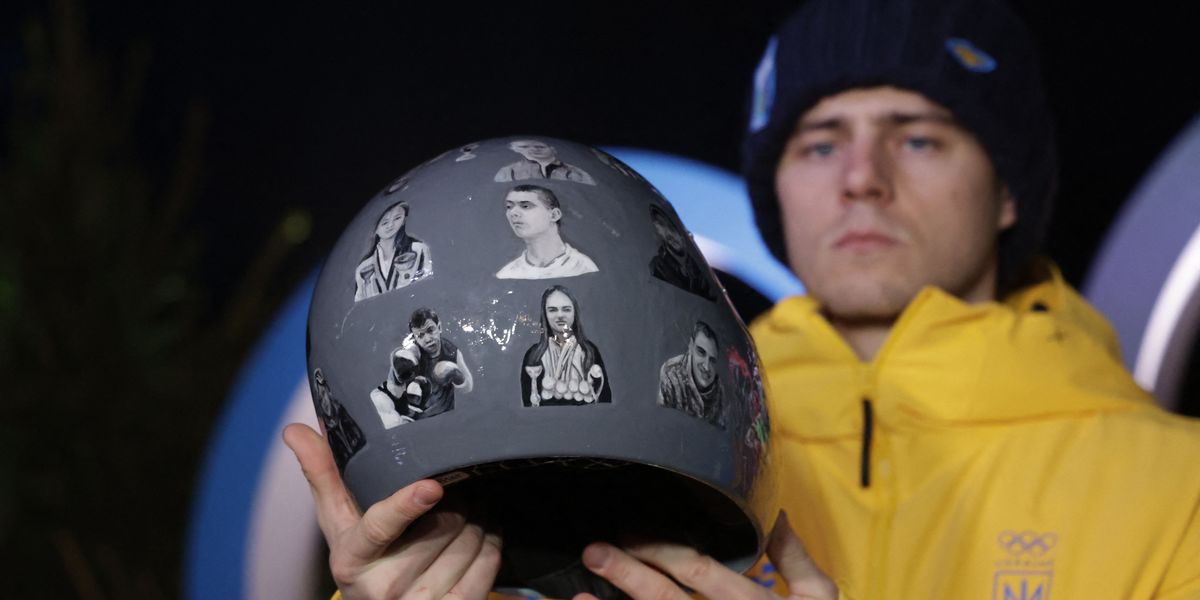
The International Olympic Committee (IOC) has expressed its desire for Ukrainian skeleton athlete Vladyslav Heraskevych to race as it seeks to resolve the issue over his helmet featuring pictures of people who have been killed in the war with Russia, reports BritPanorama.
The governing body maintains that the helmet design breaches Olympic regulations. Heraskevych has worn the controversial headgear during practice sessions at the Games.
The standoff arises just one day before the skeleton event is scheduled to begin on Thursday, with neither side appearing willing to back down from their respective positions.
As an alternative, the IOC has proposed that Heraskevych wear a black armband during competition as a permitted tribute. Despite this offer, the Ukrainian athlete made clear on Tuesday that he has no intention of changing his stance.
IOC spokesman Mark Adams confirmed that the IOC remains in discussion with Heraskevych but declined to outline potential penalties should he proceed with wearing the helmet during Thursday’s races.
Adams stated: “I don’t think it is helpful to look at hypotheticals, particularly since we are trying to get him to a place where he takes part. We want him to compete so it is not helpful. But there are rules and regulations, without labouring the point, they are rules and regulations athletes themselves want us to enforce. They will ultimately be enforced. It would be an IOC matter.”
He added, “As we have discussed before, he can do so on social media, in press conferences and mixed zone. We will try to talk to him about that, try to convince him. We want him to compete and have his moment, that’s very important to us. The guidelines were agreed by 4,500 athletes and the input of many of our athletes’ commissions, that is what they want.”
The IOC spokesman further emphasized the need for the sporting arena to remain focused, saying, “They want that specific moment on the field of play to be free from any distraction. We feel his grief and want him to express it, but let me be clear, it is not the message that’s the issue, it is the place that counts.”
This ongoing debate underscores the complex intersection of sport, personal expression, and regulatory frameworks, as athletes navigate the challenges of global conflicts while attempting to compete on the world stage.
As the Games unfold, this situation serves as a poignant reminder of how sport can intersect profoundly with personal narratives, challenging various stakeholders to find a balance between regulations and the emotional weight borne by athletes amid difficult circumstances.