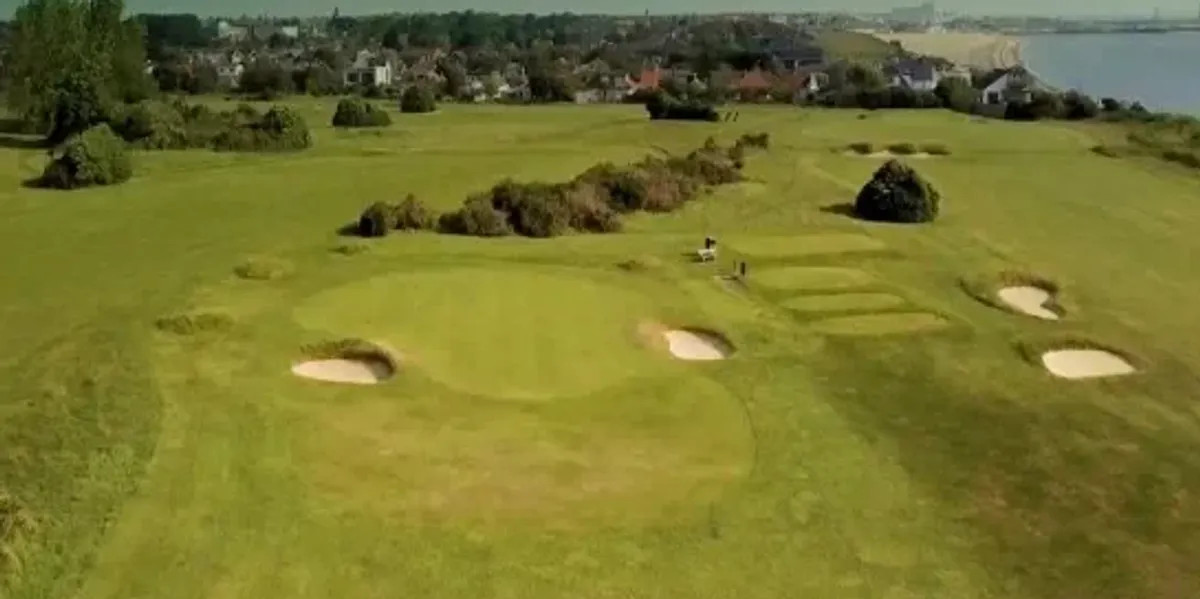
Gorleston Golf Club confronts coastal erosion threat
Gorleston Golf Club in Norfolk faces the imminent loss of two holes to the North Sea, prompting plans to relocate them further inland, reports BritPanorama.
The 18-hole course, situated along one of Europe’s fastest-eroding coastlines, risks losing holes four and five. Local planning officers at Great Yarmouth Borough Council have recommended that the relocation scheme be approved, with a decision expected at a council meeting on April 8.
Council officials have cautioned that the disappearance of these holes due to erosion “would severely [affect] the viability of the golf club”. The club intends to move the endangered holes approximately 400 metres westward onto land it already owns, thereby creating a protective buffer against the encroaching shore.
For years, this relocation has been in the works, with the club acquiring an additional 50 acres at the start of the millennium to mitigate the risks of coastal erosion. According to course architect Simon Gidman, who is acting as the club’s agent, the erosion problem has persisted, particularly affecting the southern section of the course.
While the northern part of the course benefits from the sea wall at Great Yarmouth, the southern holes remain exposed to significant wave action. Despite the existing coastal defences along Hopton-on-Sea beach, the threat to the club remains severe. Headwinds from this coastal predicament culminate from the disparity in erosion rates across the course, exacerbated by the protective infrastructure to the north.
Bringing in over 2,500 golfers a year, Gorleston Golf Club’s picturesque views of the North Sea, which have long drawn players, now serve as a poignant reminder of its vulnerability. The club aims to commence construction this spring with hopes to have the relocated holes ready for play by 2028, thus preserving the legacy of one of East Norfolk’s oldest golf courses.
As this historic venue wrestles with the implications of climate change, the urgency of the council’s decision underscores a broader narrative: how nature’s relentless forces can dictate the fortunes of cherished local institutions like Gorleston Golf Club.