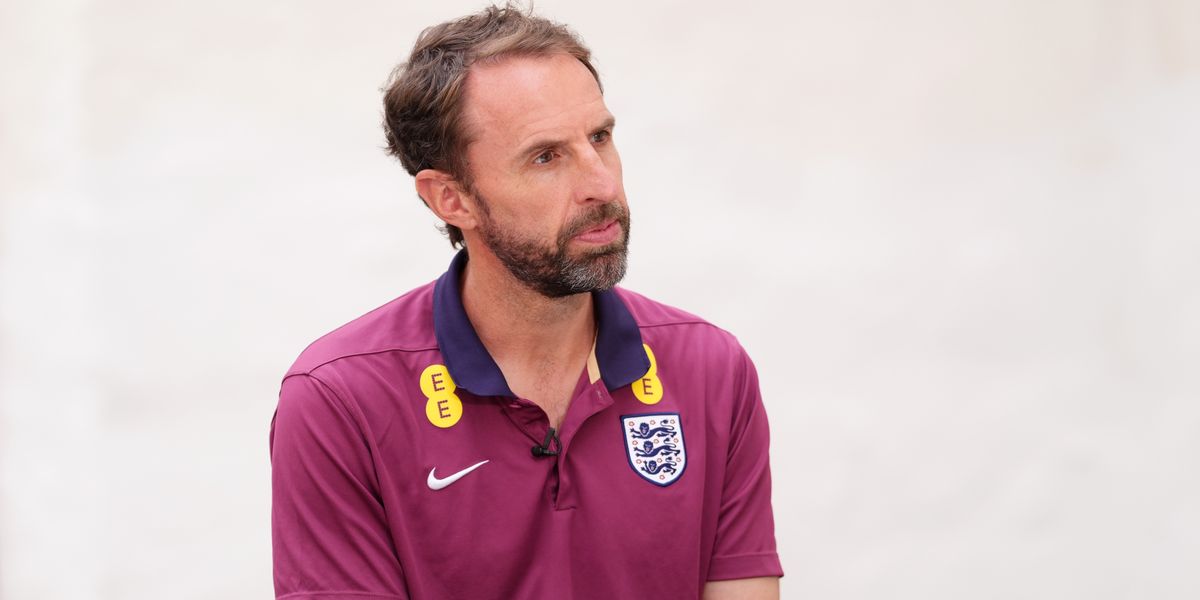
Gareth Southgate weighs in on managerial changes at Manchester United
Sir Gareth Southgate has entered the debate surrounding managerial authority in modern football, taking a pop at the situation at Manchester United where Ruben Amorim was sacked at a time when he is linked to the role, reports BritPanorama.
Southgate highlighted Amorim’s dismissal as part of a broader issue, also referencing Enzo Maresca’s exit from Chelsea and Xabi Alonso’s firing at Real Madrid as examples of a troubling pattern in managerial stability. Each departure, he noted, stemmed from individual circumstances but ultimately reflected underlying power struggles with club executives, employees, or players.
Amorim’s dismissal followed a conflict with United’s leadership, while Maresca’s exit was tied to disagreements with the medical department at Stamford Bridge. Alonso’s situation in Madrid was similarly influenced by player dynamics.
Southgate voiced his concerns regarding the erosion of managerial authority in football, asserting that this decline has evolved over many years and accelerated with the rise of Technical or Sporting Directors overseeing long-term strategies. He noted that these changes have shifted responsibility and power away from managers toward a broader organizational framework.
In a statement shared on LinkedIn, Southgate said, “The erosion of a Manager’s authority has been a gradual process over many years.” He expressed his recognition of the shift, asserting, “Personal evolution in this role is necessary,” as clubs adapt to new operational demands.
While he accepts this modern structure, Southgate maintained the importance of leadership authority, stating, “Strategy, culture, planning, and continuity are critical to success.” He expressed no opposition to this evolution but emphasized that it represents a nuanced shift in power and status within clubs.
Southgate’s perspective is informed by his own experiences. When he accepted the England managerial role, he specifically requested the title of manager rather than head coach, recognising the influence and control pivotal for overseeing a successful football operation. His tenure with the national team saw England advance to two major finals in Euro 2020 and Euro 2024, alongside a semi-final appearance in the 2018 World Cup, a significant achievement in English football history.
Despite stepping down in July 2024, having presided over 102 matches, Southgate’s connections to Manchester United’s current hierarchy remain strong. Reports indicate that he continues to communicate with Sir David Brailsford, the Ineos Director of Sport, while also maintaining a link to Steve Holland, who served as his assistant with England and now holds the same position with interim head coach Michael Carrick.
This relationship could be crucial should Southgate be considered for a permanent role at Manchester United when a long-term appointment is sought this summer. Sir Jim Ratcliffe and the Ineos group reportedly regard Southgate favourably, though fan support for his appointment has yet to materialise.
In this context, how narratives around manager authority shape public perception and decision-making remains an enduring aspect of the football landscape, highlighting the intricate dance of power dynamics behind the scenes.