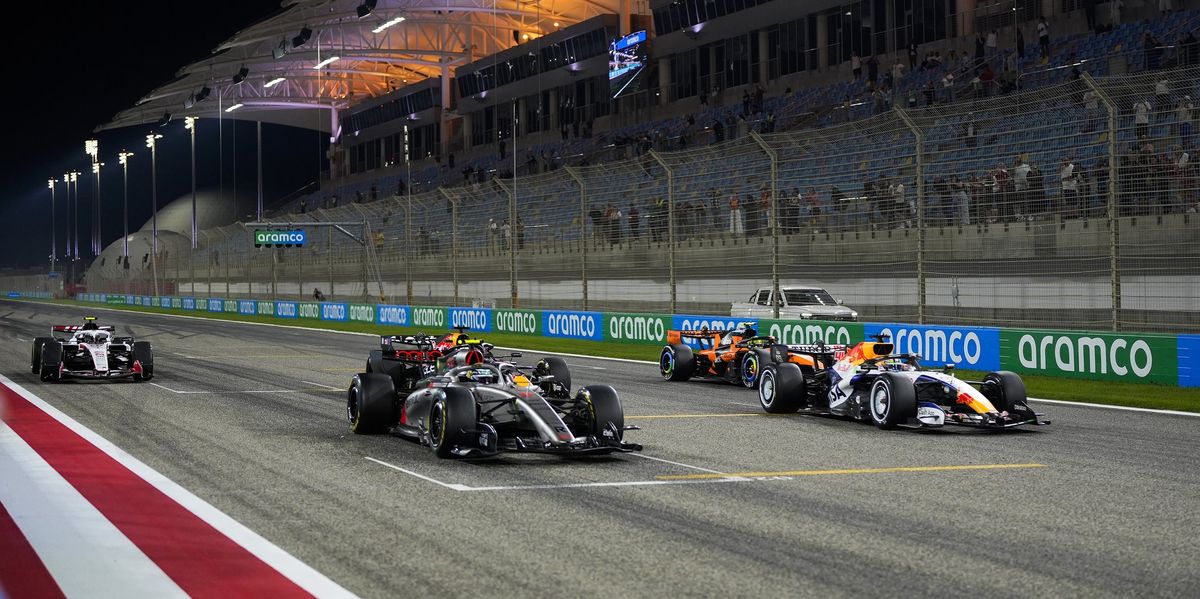
Formula One in uncertainty over upcoming Bahrain and Saudi Arabia grands prix
Formula One is set to determine the fate of next month’s Bahrain and Saudi Arabia grands prix within the coming weeks as regional tensions continue to escalate, reports BritPanorama.
The sport has already felt the impact of the widening Middle East conflict, triggered by joint American and Israeli military action against Iran and subsequent retaliatory strikes across the region. Nearly 1,000 personnel have been compelled to alter their travel arrangements, with half now scheduled to travel from Europe aboard charter aircraft.
Both Gulf states, which are due to host rounds four and five on April 12 and 19, respectively, have faced Iranian missile attacks in recent days. Organisers acknowledge that whilst a ceasefire could swiftly calm the situation, a determination must be reached sooner rather than later.
The call must be made no later than the Japanese Grand Prix on March 29, according to the Telegraph, as freight shipments and team notifications require sufficient lead time. F1 maintains it is “actively monitoring” developments, consulting with security agencies in both nations, the Foreign and Commonwealth Office, and international security bodies.
Nevertheless, the official position of both F1 and its governing body, the FIA, is that, with the races still approximately six weeks away, they “do not expect them to be impacted”. Should either or both Middle Eastern races be scrapped, the championship has identified several backup venues, including Istanbul, Portimao, and Imola, as potential replacements.
However, sources indicate the calendar could alternatively be trimmed to 22 events rather than seeking substitutes. Alternative circuits would be unlikely to contribute to hosting fees. This has raised questions about whether the considerable expense of transporting equipment and managing logistics would prove worthwhile.
Unlike the pandemic period, when F1 last faced significant calendar disruption, there are no contractual obligations requiring a minimum number of races to satisfy broadcast agreements or championship regulations. The sport has emphasised that protecting fans, personnel, and teams remains paramount, with no compromises on security.
FIA president Mohammed Ben Sulayem stated on Monday that “safety and wellbeing will guide our decisions” regarding upcoming events in the region. He wrote on Instagram: “We are in close contact with our member clubs, championship promoters, teams, and colleagues on the ground as we monitor developments carefully and responsibly.” He expressed sorrow at the loss of life and voiced hope for “calm, safety, and a swift return to stability”. Meanwhile, Australian Grand Prix chief Travis Auld confirmed to the BBC that Melbourne’s preparations remain on track, stating: “All the freight is here and ready to go.”
The unfolding situation highlights the intricate dance of sports and geopolitics, with high-stakes racing intertwined with regional security dilemmas. The road ahead remains fraught with uncertainty, illustrating how rapidly the financial and logistical frameworks of elite sport can shift in the face of global events.