Fifa mandates female coaches in women’s tournaments
Fifa has approved sweeping new regulations requiring every women’s team competing in its tournaments to have at least one female head coach or assistant coach on the bench, reports BritPanorama.
The council of the governing body passed the measures today, which stipulate a minimum of two female staff members in each team’s technical area during matches. These rules take effect immediately for this year’s under-17 and under-20 Women’s World Cups, as well as the Women’s Champions Cup.
The regulations will also apply to the 2027 Women’s World Cup in Brazil, covering both national team and club competitions at the youth and senior levels.
These changes address a significant imbalance in women’s football leadership. At the 2023 World Cup, just 12 of the 32 participating nations had a woman in charge, with Argentina, Colombia, France, Haiti, Morocco, and the Philippines fielding no female coaching staff whatsoever. Since then, the landscape has shifted somewhat.
Seven of those 12 female-led teams have since appointed male managers; however, four nations previously led by men have hired women, including the United States with Emma Hayes. Uefa has operated a comparable policy since the 2020/21 season, which Fifa’s initiative now mirrors globally.
Jill Ellis, Fifa’s chief football officer, highlighted the urgency of the situation, stating: “There are simply not enough women in coaching today. We must do more to accelerate change by creating clearer pathways, expanding opportunities, and increasing the visibility for women on our sidelines.”
Ellis added: “The new Fifa regulations, combined with targeted development programmes, mark an important investment in both the current and future generation of female coaches.” Fifa president Gianni Infantino acknowledged the necessity for increased female representation in the sport during last month’s Uefa Congress in Brussels, emphasising the importance of creating opportunities and supporting women coaches.
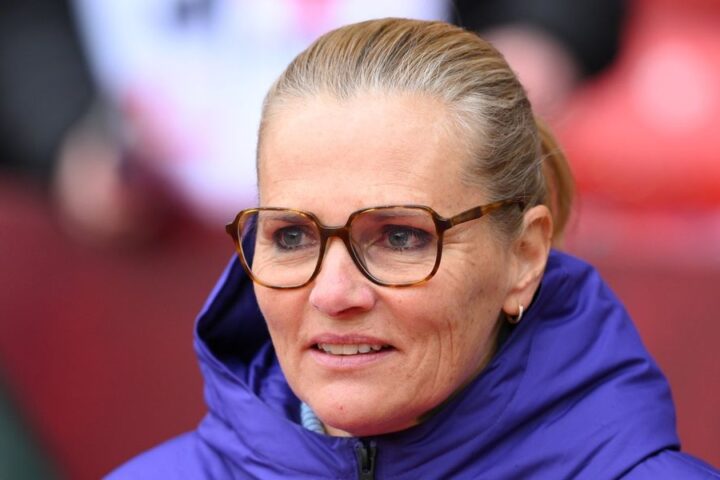
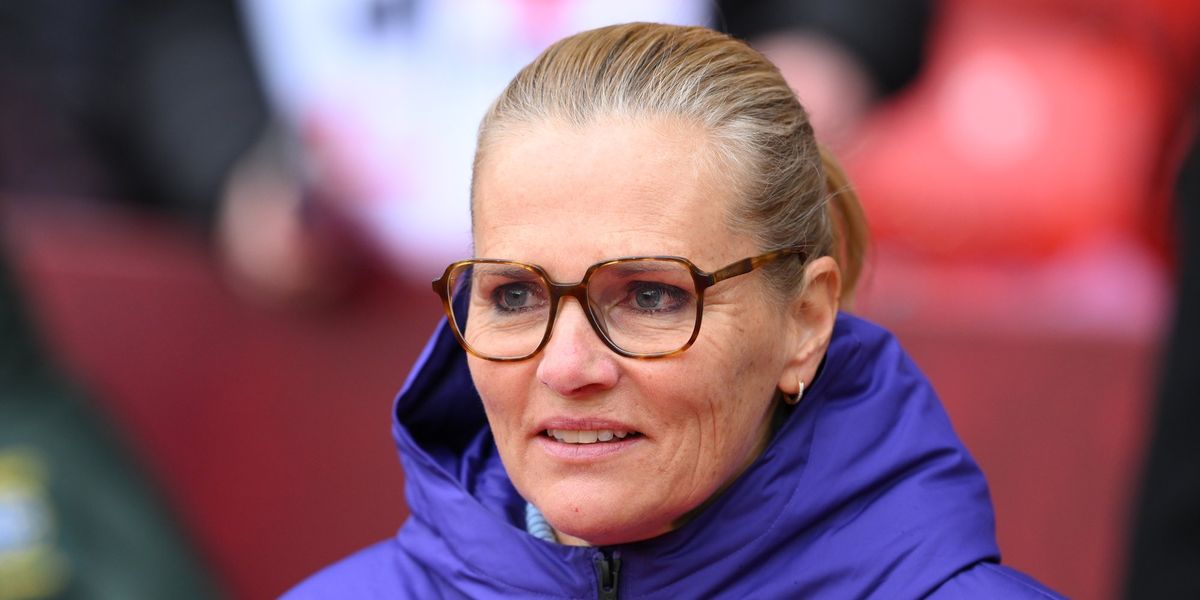
Among the most prominent female coaches in the women’s game is London-born Hayes, who leads the United States alongside assistant Denise Reddy. In 2024, Hayes remarked on the shortage of female coaches in English football as “a massive issue,” urging administrators to implement more innovative solutions. England’s Sarina Wiegman, a four-time Fifa best women’s coach of the year, continues to stand as a beacon of success, having steered the Lionesses to consecutive European Championship victories.
Wiegman, the sole female manager remaining at the quarter-final stage of the 2023 World Cup, expressed hope for a future with increased female representation at the top levels of the sport, stating: “Of course what we hope is to get more female coaches at the top level and that the balance gets better than it is right now.”
This decisive move from Fifa marks a critical step towards improving gender balance in football’s coaching ranks, highlighting the ongoing challenges and opportunities for women in what remains a predominantly male-dominated field.