FIA to meet with F1 power unit manufacturers amid engine regulation controversy
The FIA has convened a crucial gathering with Formula 1 power unit manufacturers for 22 January, just days before pre-season testing commences at Barcelona, reports BritPanorama.
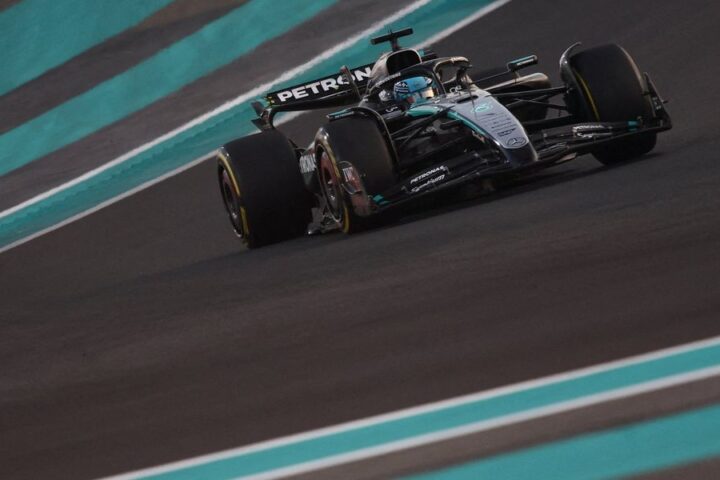
This meeting arises amid mounting tensions over allegations that Mercedes and Red Bull have independently developed methods to circumvent the compression ratio limits within the forthcoming 2026 engine regulations. Both manufacturers stand accused of exploiting a potential loophole, potentially granting them a significant performance advantage over their rivals.
The controversy centres on the rulebook’s stipulation that engines must not exceed a 16:1 compression ratio, a reduction from the previous 18:1 limit introduced partly to assist newcomers entering the sport. Reports suggest that while both teams’ engines comply with the mandated ratio during static testing at ambient temperatures, designs allegedly achieve ratios as high as 18:1 when the units reach operational temperatures. The compression ratio, which describes the relationship between cylinder volume with pistons at their lowest versus highest points, directly influences power output.
Higher ratios translate to increased horsepower and improved fuel efficiency. Estimates indicate the advantage of this loophole could be around 15 brake horsepower, potentially translating to a time advantage of three-tenths of a second per lap at circuits such as Melbourne’s Albert Park. The current FIA testing protocol measures compression solely under static conditions at ambient temperature, raising questions about its adequacy in enforcing fairness among competitors.
Rival manufacturers, including Ferrari, Honda, and Audi, have formally lodged complaints with the governing body, arguing that this approach violates the spirit of the 2026 regulations. Ferrari, which supplies power units to Haas and the incoming Cadillac outfit, has been vocal in demanding swift action. Reports indicate that the three disgruntled manufacturers penned a letter to the FIA seeking clarification on these matters.
Initially, the FIA appeared to endorse Mercedes’ interpretation of its design after a briefing, but that stance has come under scrutiny following the formal objections. Rivals are pushing for the engine to be prohibited as early as possible, indicating tensions that could shape the competitive landscape of the upcoming seasons.
In response to the growing controversy, the FIA has attempted to downplay suggestions that the upcoming meeting constitutes an emergency intervention. A spokesperson noted, “As is customary with the introduction of new regulations, discussions on the 2026 iteration covering power unit and chassis are ongoing.” They further clarified that the meeting scheduled for 22 January is intended for technical experts to ensure that the regulations are understood and applied uniformly across participants.
Any substantial amendments to the regulations are not expected before the summer break at the earliest, with changes more likely targeted for the 2027 campaign. This situation underscores the ongoing challenges and complexities inherent in maintaining competitive integrity in Formula 1.
The unfolding saga of technical regulations serves as a reminder of how quickly the balance of power can shift in motorsport. As teams prepare for what promises to be a tumultuous season, the scrutiny of their engineers will not only determine race outcomes but may also redefine the very rules of engagement in this high-stakes arena.