Nigel Farage’s visit to Ipswich Town sparks backlash
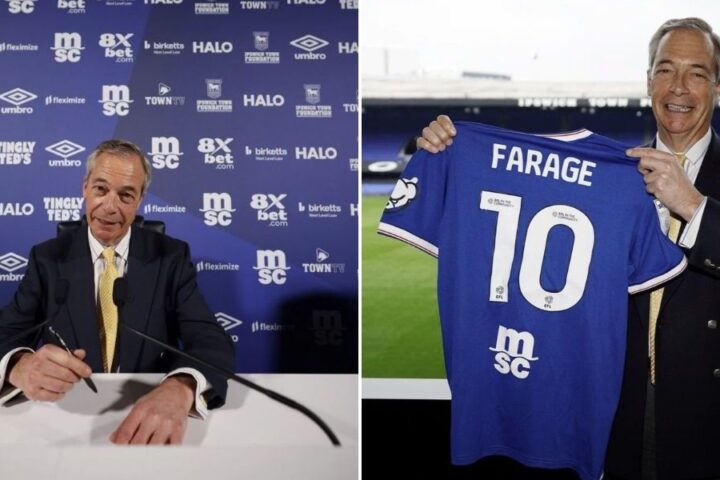
The visit by Nigel Farage to Portman Road for a stadium tour this week has ignited significant controversy, as many commentators have framed it as an existential moral crisis for English football, reports BritPanorama.
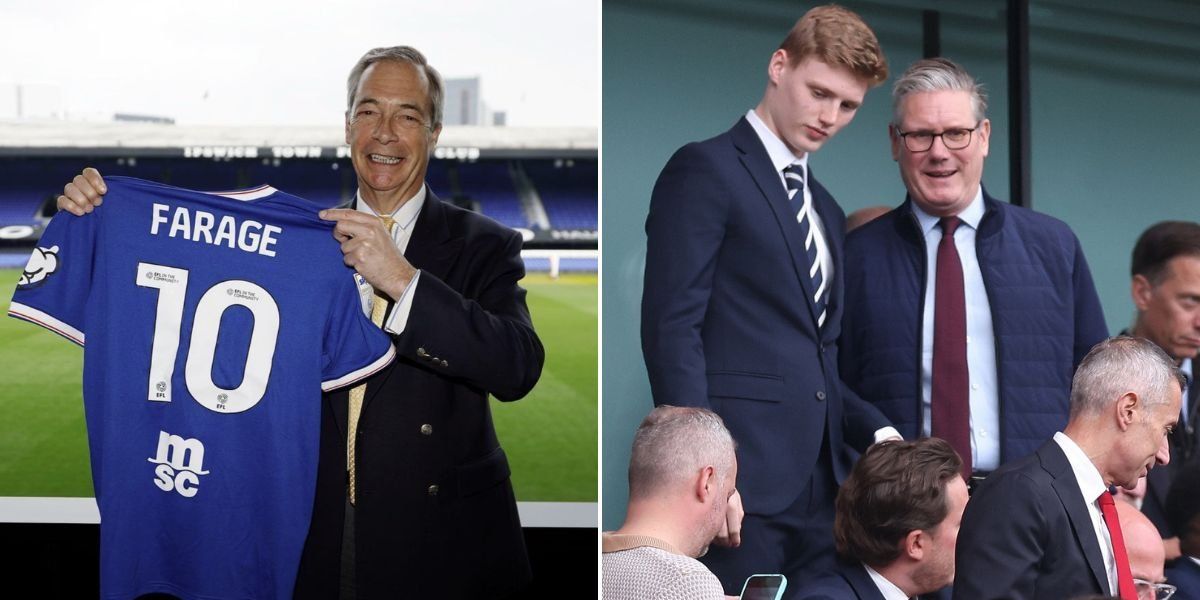
During his visit, Farage took a photo in an Ipswich Town shirt and shared tongue-in-cheek videos. The club quickly clarified that the visit was booked without awareness of the political figure’s presence and intended no political implications. Nevertheless, this did not prevent a wave of outrage.
Critics labelled the incident a “PR disaster,” warning it signified an undesirable political influence creeping into football. Some fans expressed feelings of embarrassment and shame, suggesting that Farage’s presence alone jeopardised the club’s integrity.
The situation provokes a broader conversation about acceptable figures in football. Ipswich Town emphasized their commitment to inclusivity and noted their history of hosting various political representatives without bias, suggesting the uproar reflects more on contemporary media and political frameworks than on the event itself.
Significantly, this incident stands in stark contrast to reactions surrounding other political figures’ interactions with football. For instance, prime minister Keir Starmer enjoyed free invitations to corporate boxes at Arsenal matches, yet this did not prompt similar outcry. Starmer justified his attendance by claiming it was a means to save taxpayer funds.
The contrasting responses prompt questions about political values and who is deemed acceptable in public spaces. Ipswich Town’s position as an inclusive club remains, yet major backlash indicates the complexities of modern political discourse in sports.
Overall, the incident is not about the sport or fundamental principles, but rather highlights a rift between different political landscapes and the ongoing debate over who can inhabit these public spheres. The event illustrates the intricate relationship between politics and football, showing how entrenched perceptions can shape narratives within the sport.
As this story unfolds, it serves as a reminder of the broader cultural sensitivities surrounding football’s role in society—a reflection of changing political climates and public sentiment.