Football Association clears Jim Ratcliffe over controversial comments
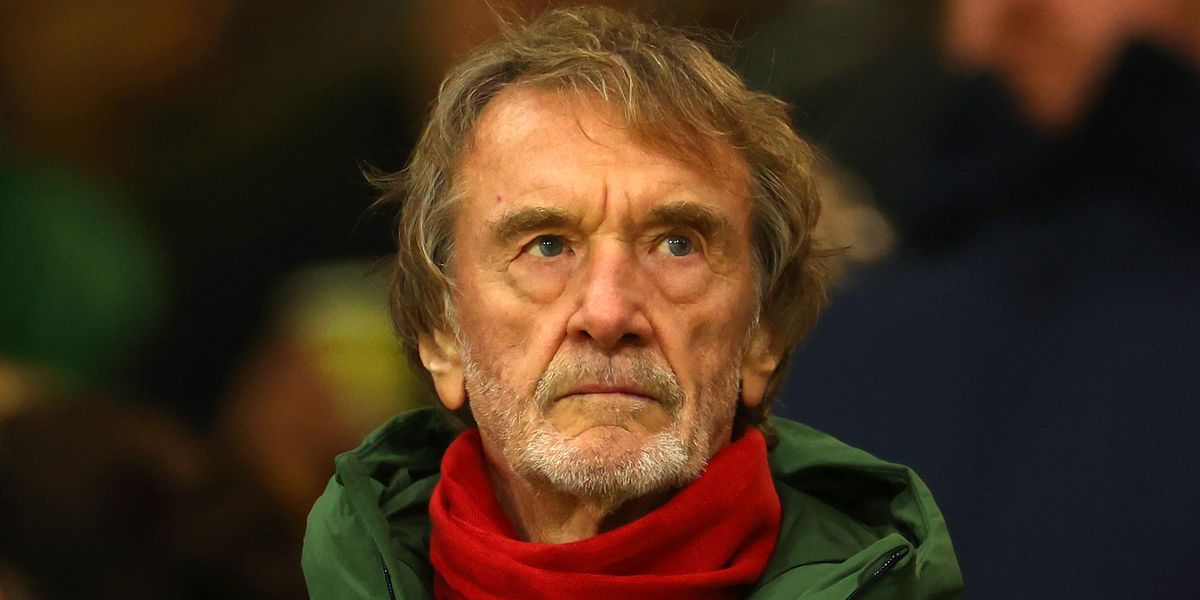
The Football Association has declared that Manchester United co-owner Sir Jim Ratcliffe will not be charged over his comments in which he claimed the UK had been “colonised by immigrants,” reports BritPanorama.
The governing body reminded Ratcliffe of his responsibilities as a participant in English football when engaging in media interviews. An investigation was launched to assess whether his statements brought the game into disrepute.
Despite the investigation, the FA concluded that it would not impose any formal punishment on the billionaire. This decision followed scrutiny of comments made during a Sky News interview where Ratcliffe expressed concern about an economy burdened by welfare dependency and immigration.
Both Prime Minister Sir Keir Starmer and Manchester United fan groups condemned Ratcliffe’s remarks, calling for a public apology. Ratcliffe later apologised for how his comments were worded, and Manchester United issued its own statement emphasizing its commitment to inclusivity.
Under FA Rule E3.1, participants are expected to act in the best interests of the game and avoid behaviour that could be deemed improper or bring the sport into disrepute. The rule also outlines that an aggravating breach occurs if comments reference issues relating to ethnicity, nationality, or other sensitive topics.
Football anti-discrimination charity Kick It Out labeled Ratcliffe’s comments as “disgraceful and deeply divisive,” highlighting the need for constructive language in football, especially considering Manchester United’s diverse fan base and multicultural city.
In response to the row, Manchester United’s manager Michael Carrick emphasized the collective responsibility of all associated with the club to maintain respect and promote an inclusive environment. He reiterated the club’s commitment to equality and the global impact it holds.
The incident serves as a reminder of the careful balance required between public statements and the responsibilities borne by those at the top of the game, underscoring how the world of football intersects with societal narratives. Ratcliffe’s comments, while personal, resonate in a space where every word can amplify or diminish the ethos of one of football’s most storied institutions.