Formula One confirms Australian Grand Prix amid Middle East tensions
Formula One has confirmed that next Sunday’s season-opening Australian Grand Prix in Melbourne will proceed as scheduled, despite significant travel disruption affecting hundreds of personnel due to escalating conflict in the Middle East, reports BritPanorama.
The sport’s extensive travelling operation, comprising roughly 2,000 team members and organisational staff, has been thrown into disarray following today’s closure of major aviation hubs in the Gulf region.
Flight cancellations have forced a substantial number of F1 workers to hastily revise their travel arrangements as they attempt to reach Australia for the championship’s first race of the season. With their usual routes severed, F1 travellers are now being redirected onto alternative services through Hong Kong and Singapore.
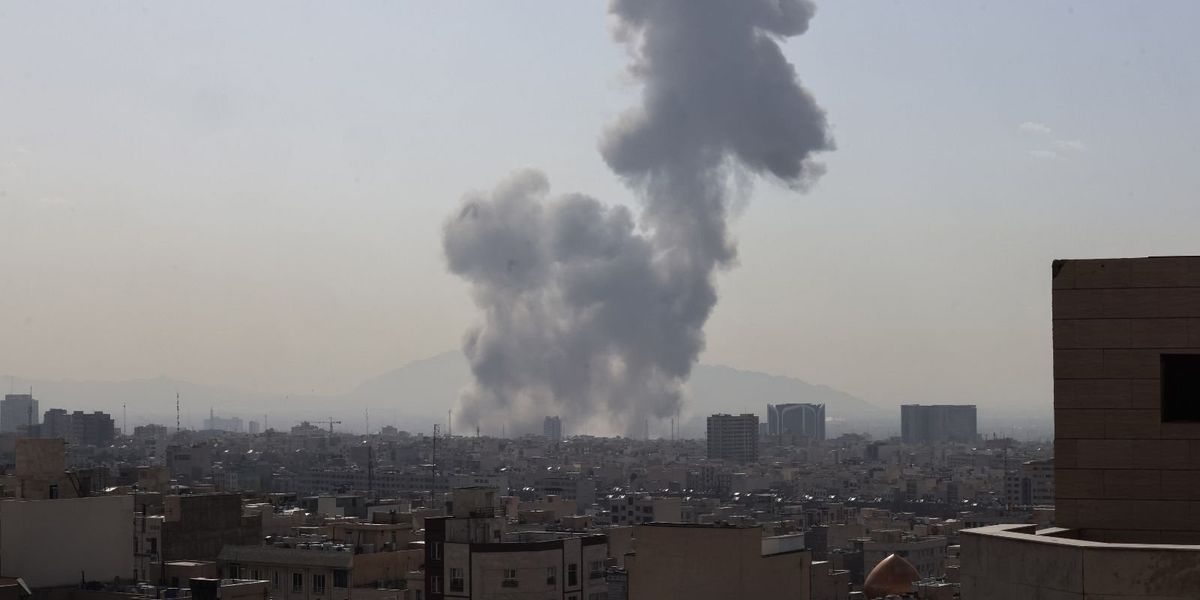
Others have opted for Qantas flights directly into Perth, from where they face an internal connection of approximately three and a half hours to reach Melbourne ahead of next weekend’s race. Doha and Dubai airports, serving as the primary stopover points for Qatar Airways and Emirates passengers, were shut down earlier today following Iranian bombing of facilities across Qatar, Kuwait, Bahrain and the UAE.
A Formula One spokesman emphasised that the immediate calendar remains unaffected by the regional turmoil, stating: “Our next three races are in Australia, China and Japan, not in the Middle East; those races are not for a number of weeks.” The spokesman added: “As always, we closely monitor any situation like this and work closely with relevant authorities.”
While the championship organisers maintain that both the Bahrain Grand Prix, scheduled for 12th April, and the following week’s Saudi Arabian race remain firmly on the calendar, senior figures within F1 are believed to have prepared alternative arrangements should the ongoing instability require venue changes to preserve the planned 24-race world championship season.
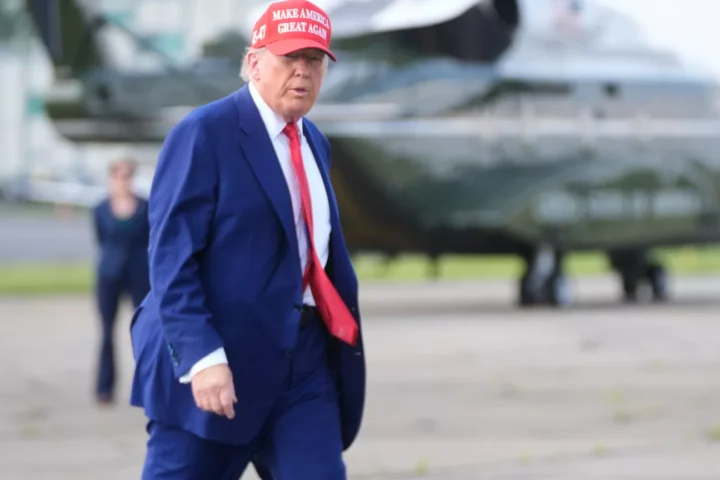
The military escalation began when President Trump declared that US forces had initiated “major combat operations” against Iran, with Tehran responding with its own retaliatory strikes, leading to a significant impact on aviation operations in the region. The situation remains fluid as developments unfold.
As the season gears up, the unfolding geopolitical landscape highlights the indelible links between global sports and international affairs, underscoring how easily the thrill of competition can be overshadowed by wider conflicts.