Eni Aluko steps back from broadcasting amid sexism and race row
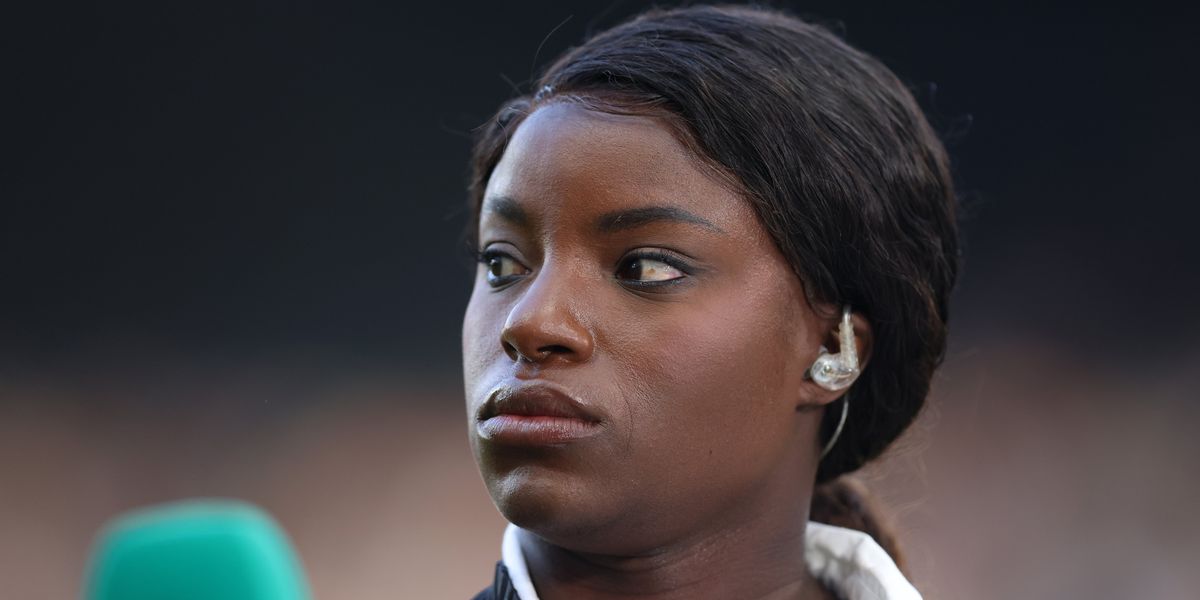
Eni Aluko has stepped back from broadcasting work amid a row over sexism and race issues, reports BritPanorama. The former Lioness described British television as a “very toxic space” while continuing to exchange barbs with fellow pundits Ian Wright, Laura Woods, and most recently, Simon Jordan.
Aluko’s claims centre around male pundits allegedly blocking opportunities for women in the women’s game. Despite previously apologising for her remarks about Wright last April, the dispute reignited after she directed criticism at former Premier League footballer Nedum Onuoha during a recent appearance on the 90s Baby Show podcast.
She expressed frustration that Wright and Onuoha were chosen as pundits for the Lionesses’ Euro 2025 final win over Spain last year and stated the women’s game needs better “gatekeeping.” Now, Aluko has revealed her decision to withdraw from broadcasting, citing the hostile environment as a significant factor.
“I think in the UK… it’s a very toxic space for me. And I’m fighting now to just even have an opinion,” she stated. Aluko indicated a pervasive feeling that she cannot express herself without facing immediate backlash due to pre-existing biases against her.
Despite stepping back, Aluko reaffirmed her commitment to women’s football. “I’m a fighter, I’m a resilient person… but I don’t feel welcome,” she said, highlighting her ongoing passion for the sport. “You’ve got to recognise the environments you can thrive in, and I just don’t feel that in the UK at this moment in time.”
Her retreat from broadcasting work follows a commentary by Simon Jordan, who critiqued Aluko’s on-screen persona as unengaging during a talkSPORT discussion. Aluko later sought to clarify her controversial remarks, arguing for the inclusion of experienced female voices in coverage of women’s football.
Aluko noted the need for a shift in representation, proposing that women should take the lead as the primary faces of women’s sport, with men playing supporting roles. “That might be… Ian Wright could do 10-minute hits before the game, a bit of colour, then back to the main studio, and bang, you’ve got the faces of the game,” she suggested.
This situation illuminates the complexities of gender dynamics in sports broadcasting, as even champions of women’s football find themselves contending with entrenched narratives. In a landscape where representation remains a contentious issue, Aluko’s experience encapsulates both the challenges and potential for progress in achieving a more equitable sporting environment.