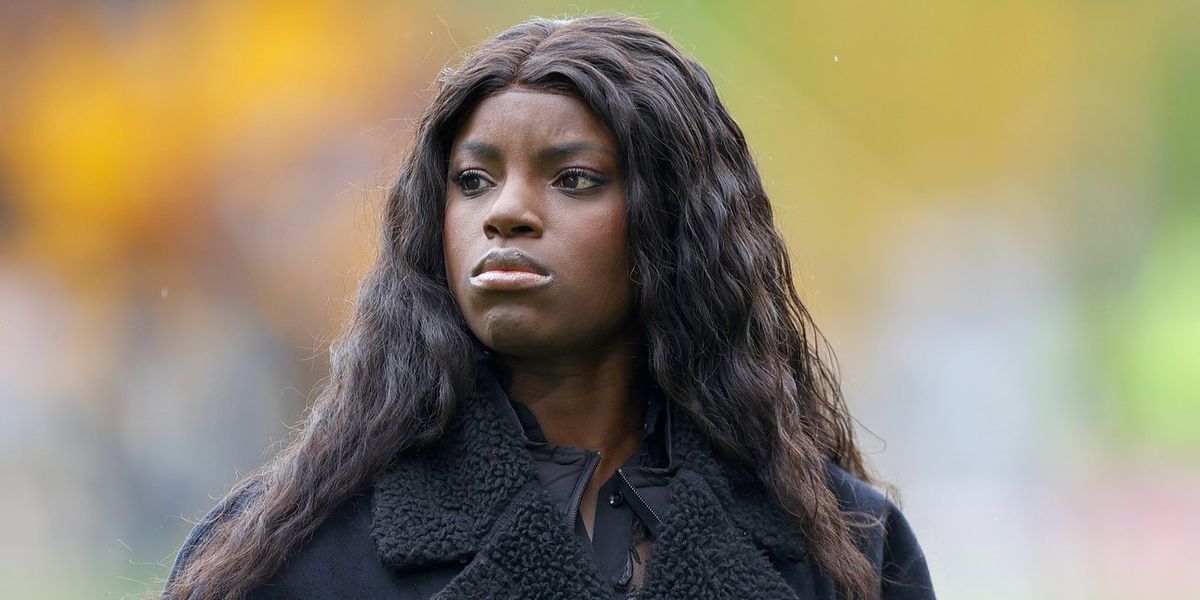
Eni Aluko applies for trademark of her name amid controversy
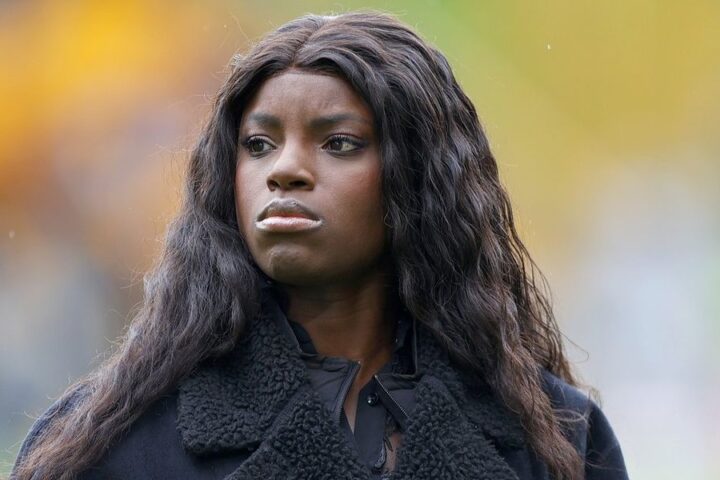
Former England international Eni Aluko has submitted a trademark application for her own name, just weeks after igniting a significant controversy by accusing fellow broadcaster Ian Wright of limiting opportunities for female pundits, reports BritPanorama.
On April 23, the 38-year-old made her provocative comments, stating, “I’ve worked with Ian a long time and, you know, I think he’s a brilliant broadcaster, but I think he’s aware of just how much he’s doing in the women’s game. I think he should be aware of that.” She highlighted the scarcity of broadcasting opportunities, adding, “The fact of the matter is, there is a limited amount of spaces available.”
The situation escalated as support for Wright poured in from various TV personalities. On May 13, Aluko officially lodged her trademark application with the Intellectual Property Office, aiming to register “Eni Aluko” across four categories: media content, decorative and artistic materials, digital file printing, and an overarching category for media relations, promotional activities, advertising, and retail services. This application was published in the trademark journal on May 29, leading to official registration on August 8.
In response to Aluko’s subsequent apology, Wright shared on Instagram, “I’ve seen the apology on social media, but I can’t accept it – but I also want to move on from it.” Aluko reignited tensions by claiming she and fellow former teammate Fara Williams deserved to feature in ITV’s coverage of the Women’s Euro 2025 final, which instead highlighted Wright, Emma Hayes, and Karen Carney.
Presenter Laura Woods voiced her disapproval on X, countering the belief that international appearances guarantee broadcasting roles: “Caps don’t win automatic work and they don’t make a brilliant pundit either. The way you communicate, articulate yourself, do your research, inform your audience, how likeable you are and the chemistry you have with your panel are what makes a brilliant pundit.”
Woods further criticized the notion that women’s football coverage should exclude men, describing the idea that “the women’s game should be by women for women” as damaging, cautioning that it could hinder both women’s sport and female punditry. Following these events, Aluko announced on talkSPORT’s White and Jordan programme that she would be stepping away from British broadcasting, citing a hostile environment that stifled her opinions.
She claimed, “I think in the UK it’s a very toxic space for me. And I’m fighting now to just even have an opinion. There is a feeling that I can’t say anything without the instant backlash that comes with the fact people have already decided they don’t like you.”
In the midst of the ongoing discourse, host Simon Jordan critiqued Aluko’s media presence, stating, “I don’t think you are particularly enlightening, illuminating, engaging or charismatic. The language that you use is, to me, it’s steeped in the sense of entitlement.”
Aluko’s recent actions also reflect her struggle in securing broadcasting roles since she initiated the dispute last year. The unfolding events underscore the complex interplay of identity and opportunity in the evolving landscape of sports media.