Arsenal’s Carabao Cup defeat highlights the folly of the cup keeper tradition
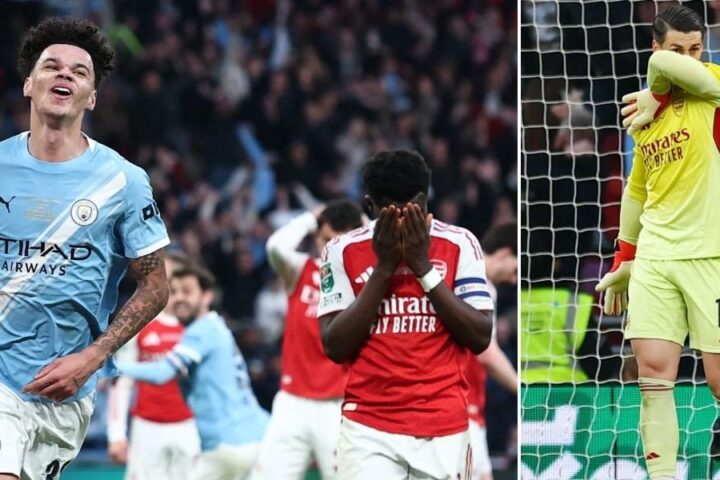
This weekend, as the blue-and-white confetti rained down on the Wembley turf to celebrate Manchester City’s Carabao Cup triumph, Arsenal were left to rue a bitter, self-inflicted wound, reports BritPanorama.
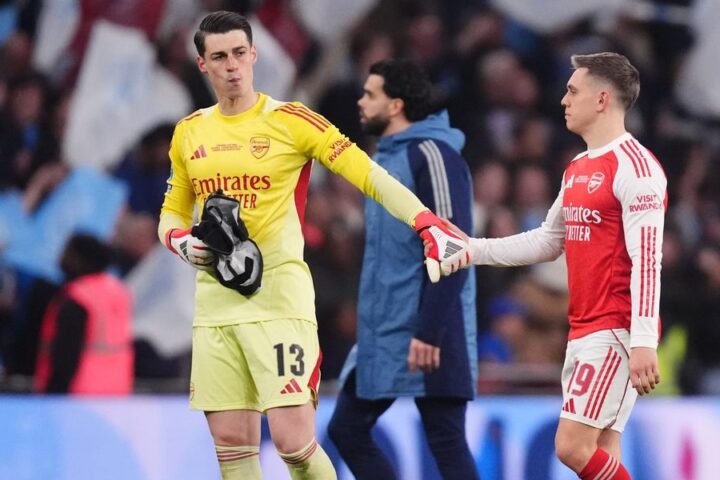
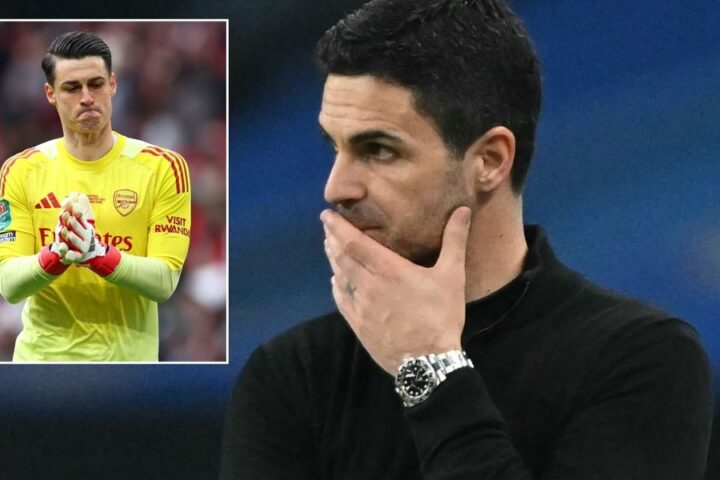
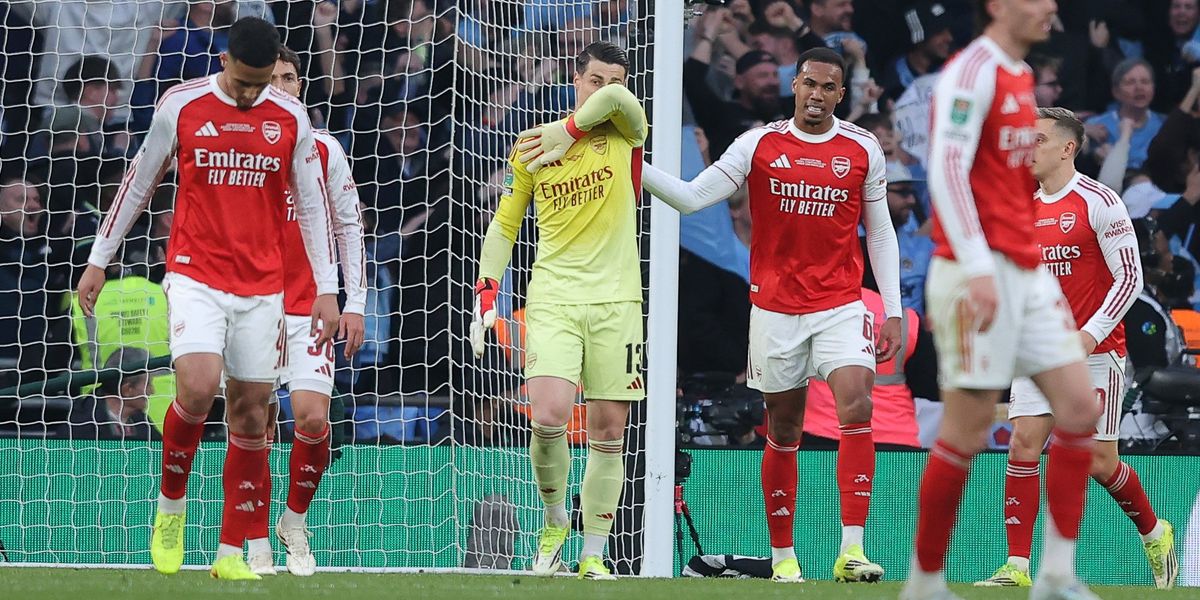
The defeat serves as a critical moment that must surely spell the end for the policy of rotating goalkeepers in major finals. Kepa Arrizabalaga, in for the established No 1 David Raya, committed a significant error that led to City’s opening goal, scored by Nico O’Reilly, the standout player of the match.
Kepa’s hesitation, whether due to rustiness or the immense pressure of the occasion, proved costly against Pep Guardiola’s formidable side. Mikel Arteta’s decision to bench Raya—whose prior performances have been key to Arsenal’s recent stability—appeared misguided given the stakes involved.
Raya’s presence is not just as a shot-stopper; he is integral to Arsenal’s tactical setup. Replacing him in a cup final due to a gentleman’s agreement from earlier rounds signals a lack of ruthless ambition typical of elite teams.
Conversely, the opposing goalkeeping arrangement proved sound for City. James Trafford, standing in for Gianluigi Donnarumma, delivered a performance that demonstrated his manager’s confidence in him, showcasing command, distribution, and the calm requisite for such a monumental match.
Supporters of the cup keeper policy may cite Trafford’s success as validation of their approach, arguing that it fosters squad harmony during a taxing season. However, Trafford’s performance is a notable exception rather than a rule.
Numerous instances have suggested that prioritising a backup keeper over the first choice often leads to dire consequences. For instance, during the 2022 FA Cup semi-final, Zack Steffen’s misplaced pass handed Liverpool a crucial advantage, while in the 2015 FA Cup final, Aston Villa’s loyalty to Shay Given cost them dearly against Arsenal.
Kepa himself epitomizes the unpredictability surrounding this practice; his infamous refusal to be substituted in the 2019 Carabao Cup final and a failed penalty in the 2022 edition remain cautionary tales of disrupting the logic of hierarchy in significant matches.
While managers often justify the cup keeper policy as a method to maintain squad morale during congested seasons, this logic falters in high-stakes games where trophies are at stake. When facing the prospect of silverware, the best players should always be on the pitch.
Arsenal’s defeat at Wembley serves as a harsh but avoidable lesson. In a sport where margins are razor-thin, sentimentality has no place, and the era of the cup keeper ought to be consigned to the past.
As the dust settles, it becomes clear that the ambition to pursue silverware cannot afford to be dampened by tradition; rather, only precise, calculated decisions can lead to success in these defining moments.