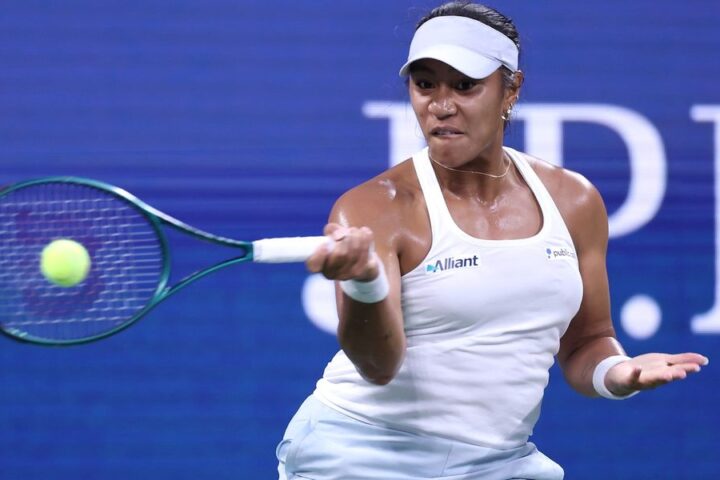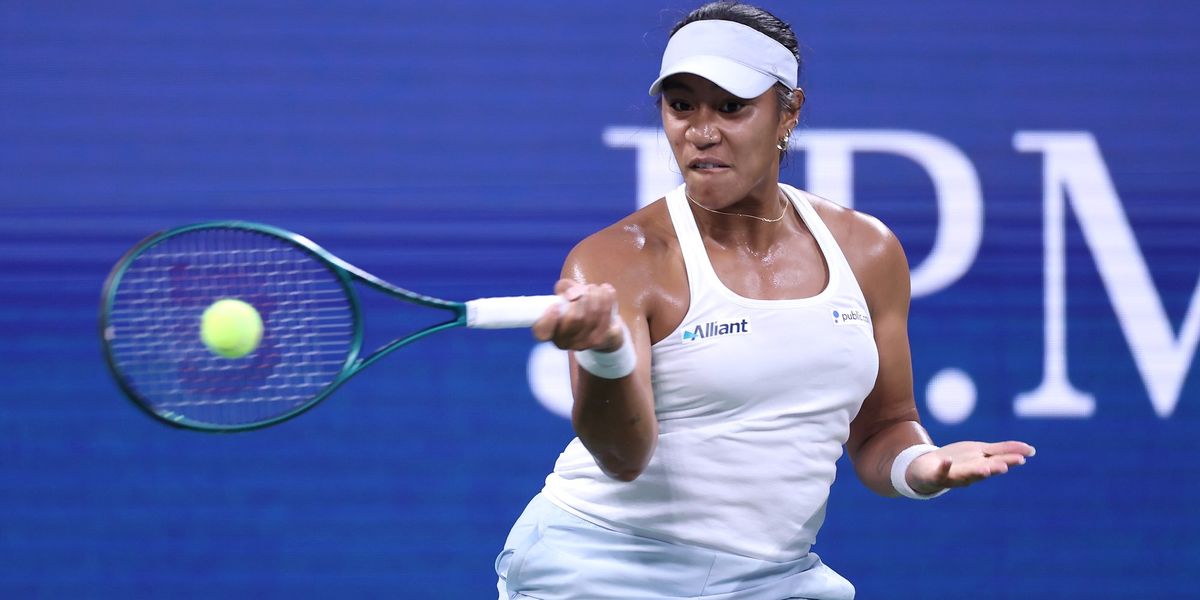
Destanee Aiava announces retirement from professional tennis
Destanee Aiava, the 25-year-old Samoan-Australian tennis player, revealed her decision to leave professional tennis over the weekend in a powerful social media statement, reports BritPanorama.
The former world No 147 described the sport as her “toxic boyfriend” as she announced her retirement on her own terms. Currently ranked 320th globally, Aiava paid tribute to the Pacific Islander community while stepping away from the game.
In her moving post, Aiava launched a scathing attack on tennis culture, stating: “F*** you to a sport that hides behind so-called class and gentlemanly values.” She asserted that the sport’s facade concealed a culture that is “racist, misogynistic, homophobic and hostile to anyone who doesn’t fit the mould.”
Speaking to Clay following her announcement, Aiava disclosed the horrific abuse she endured throughout her career. She recounted being called a “monkey” and “transgender” during matches and described how hostile tennis parents at junior tournaments hurled insults, labelling her derogatory terms without hesitation.
She also spoke candidly about the isolation experienced as a woman of colour in a predominantly white sport, stating, “There’s not been one time where I felt like I belonged in this sport because of my colour.” Aiava emphasised that the challenges extend beyond gender, explaining, “It’s always going to be harder for us and that’s just the reality.”
The abuse she faced came from multiple directions, with spectators heckling her during matches and persistent online attacks contributing to her decision to walk away from professional tennis. Her retirement statement accused the sport of concealing deep-rooted prejudice beneath its veneer of respectability and tradition.
Aiava highlighted her commitment to advocating for LGBTQ+ players, noting she had witnessed first-hand the treatment of gay tennis players within the sport. As she prepares to focus on “the people who matter,” Aiava expressed hope that her legacy would be defined by her willingness to speak truthfully about her experiences in tennis.
The narrative of assault and intolerance in sports continues to unfold, starkly reminding fans of the often-unseen battles behind the scenes. Aiava’s departure is not just another story of a player stepping back; it reflects a broader plea for change within an industry long plagued by its ghosts. This might be a moment to rethink who gets to play and thrive in the sport we celebrate.