Derek Chisora faces Deontay Wilder in final boxing match
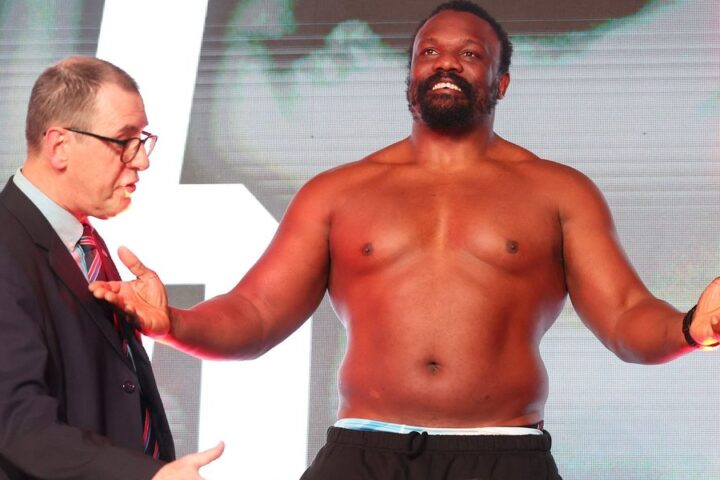
Derek Chisora will step into the O2 Arena this evening for his 50th and final professional bout, facing former world champion Deontay Wilder in what promises to be a fitting farewell for British boxing’s most colourful character, reports BritPanorama.
The 42-year-old heavyweight has undergone a remarkable transformation during his 19-year career, evolving from the sport’s notorious troublemaker into a genuine cult hero beloved by fight fans across the nation.
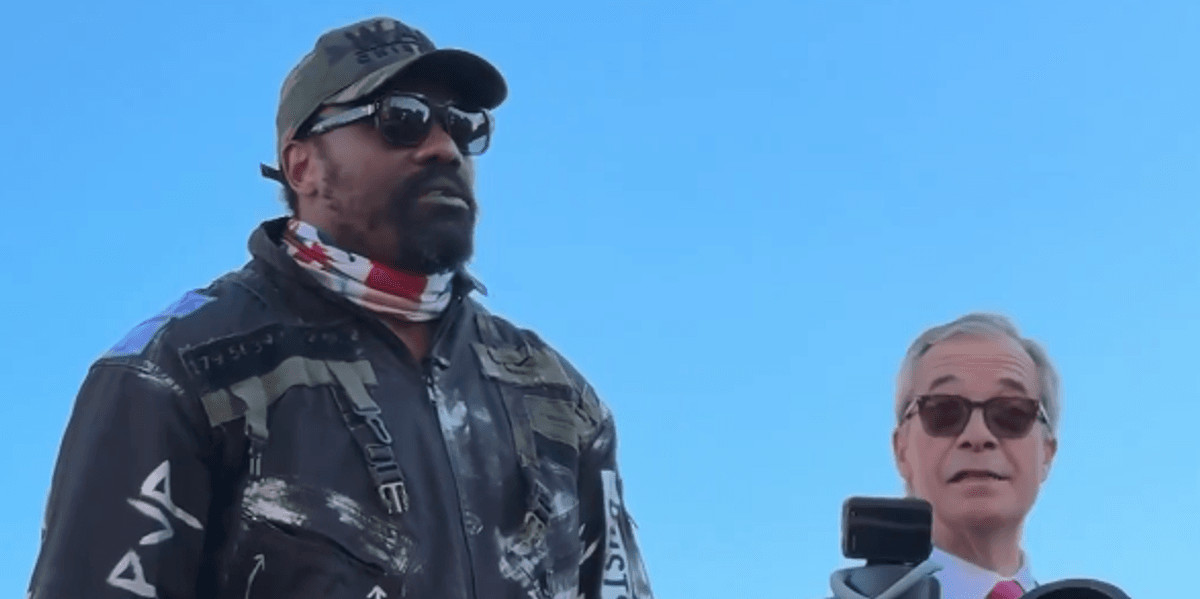
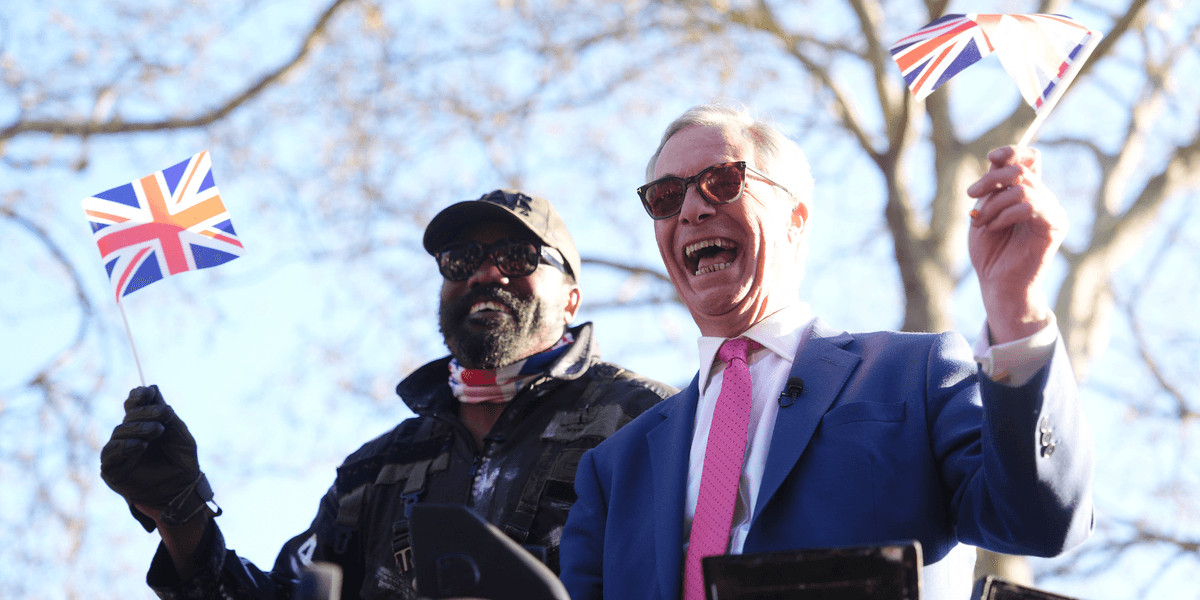
Once reviled for table-flipping antics and press conference brawls, Chisora now commands genuine affection from the British public. His journey from chaos to redemption encompasses battles with alcohol, a profound religious conversion, and an improbable friendship with Reform UK leader Nigel Farage.
Tonight marks the end of an extraordinary chapter in British heavyweight boxing, as Chisora’s transformation was forged through personal struggle, particularly his prolonged battle with alcohol.
“My mum told me I would ruin my legacy if I kept drinking. I used to drink a lot, but I stopped,” he revealed ahead of tonight’s contest. The fighter admitted that months of heavy drinking before training camps meant his body spent the first two months simply purging alcohol from his system.
The turning point arrived eight years ago in Monaco, where he suffered defeat to Agit Kabayel in a European title fight. “I lost that fight in Monaco and that was a blessing from above, from Jesus Christ,” Chisora explained. “That fight changed everything.”
He subsequently sold his entire wine and spirits collection, declaring himself “born again” and committing to his Christian faith.
The Union Jack bandana that became Chisora’s trademark was born from commercial necessity rather than patriotic impulse. “It was actually Dean Powell and one of the Daily Mail journalists that suggested it,” he recalled. “We were all sat in a restaurant together and we came up with the idea.”
The fighter acknowledged that without such distinctive branding, his career prospects looked bleak in a crowded marketplace dominated by established promoters and their favoured stars.
“There was Eddie Hearn, Barry Hearn, Frank Warren, Kellie Maloney, and Mick Hennessy – all these different promoters with their stars and big names,” he explained. With Sky Sports broadcasting five shows monthly, standing out required ingenuity.
Chisora remarked, “Gimmicks work. You have to come up with something,” and the flag-draped persona became inseparable from the man himself. Perhaps the most unexpected chapter in Chisora’s story involves his friendship with Nigel Farage, cemented this week when the pair arrived at York Hall atop a tank rolling through Bethnal Green.
The politician confirmed he will attend tonight’s bout, having become something of a talisman for the heavyweight’s farewell campaign. The prospect of retirement fills Chisora with genuine dread, a fear he addresses through professional help.
“I see a therapist about retirement. And when I talk about it, it’s scary. Retirement is very scary,” he admitted. Chisora elaborated that boxing has structured his entire existence since childhood, with every aspect of life dictated by training schedules and professional demands.
“And then one day you get a knock. ‘It’s retirement. You need to retire tomorrow.’ And that’s it. The door shuts. You don’t know anything else,” he said.
Chisora confessed that his previous Manchester bout left him emotionally overwhelmed. “I cried walking to the ring during my last fight in Manchester. I was crying. It’s very emotional. It’s scary. You don’t know if that’s the last time.”
As Chisora bids farewell to the ring, it will undoubtedly be a poignant moment, underscoring how deeply personal this sport can be — a journey tethered to triumph and turmoil, drawing the curtain on a career that has seen it all.