Austrian ski jumper disqualified from Winter Olympics final over footwear violation
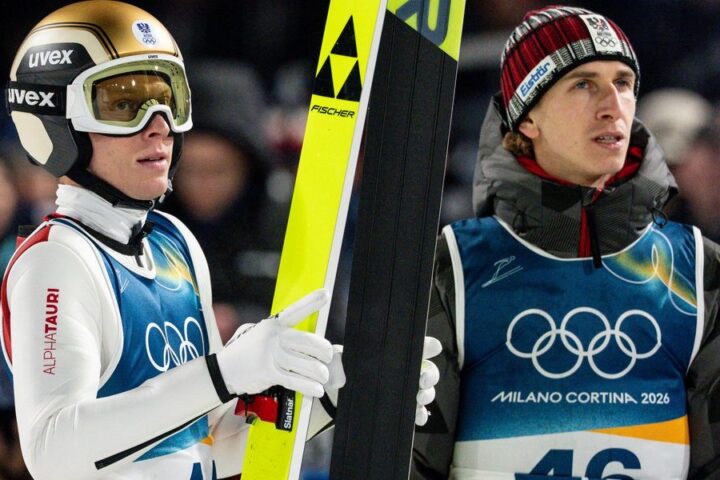
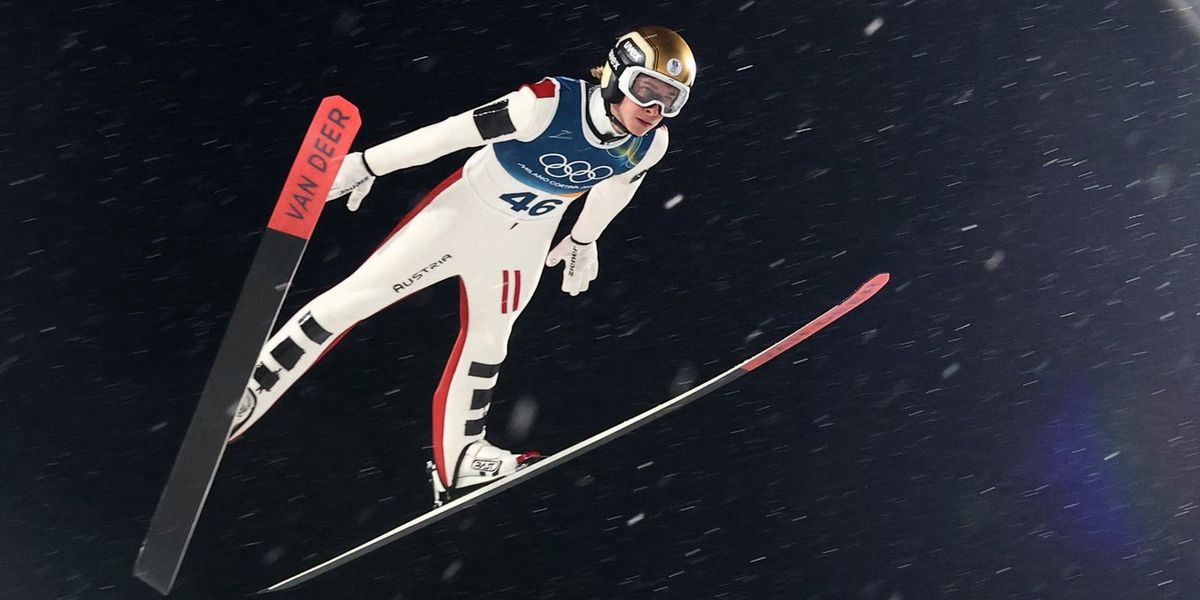
Austrian ski jumper Daniel Tschofenig has been thrown out of the Winter Olympics final after officials discovered his footwear exceeded regulations by just four millimetres, reports BritPanorama.
The 23-year-old, who claimed the World Cup title last year and entered the competition as one of the leading contenders, expressed deep frustration at his own oversight. He pointed out that he used new shoes during training, stating, “I wasn’t really happy with them, but I kept them anyway.”
He added, “Unfortunately, I was naive and didn’t check the sizes. That was incredibly stupid of me.” The disqualification came following an equipment inspection conducted shortly after his opening jump, where Tschofenig had recorded a score of 137.7, initially appearing sufficient to secure a place in the final.
TNT Sports commentator Ian Findlay broke the news to viewers, indicating, “Hang on folks, there are some changes here. We’re just getting news that there has been a disqualification for Daniel Tschofenig. The big news just after the first round, Tschofenig disqualified due to boot size, four millimetres over.” Former Slovenian ski jumper Jernej Damjan remarked, “Tschofenig finally finding something extra and when he does, he gets kicked out.”
Slovakia’s Hektor Kapustik advanced into the competition as a result of the ruling. This marked the first disqualification in ski jumping at these Olympic Games, arriving just days after the so-called “penis-gate” controversy cast a bizarre shadow over proceedings in Milan-Cortina. Allegations have circulated that male competitors have injected hyaluronic acid into their genitals to secure a competitive edge, relating to aerodynamics where larger suit surface areas can enhance gliding efficiency.
A study published in the journal Frontiers found that each two-centimetre increase in suit circumference decreased drag by four per cent while boosting lift by five per cent, translating to approximately 5.8 additional metres of jump distance. The FIS introduced stringent new protocols ahead of these Games to combat potential equipment manipulation. Athletes are now required to undergo 3D body scanning while wearing only tight-fitting underwear, with measurements of crotch height taken to determine appropriate suit dimensions. Competitive suits must adhere to a tolerance of between two and four centimetres, with an additional three-centimetre allowance for male athletes’ crotch measurements.
Ultimately, Tschofenig’s disqualification serves as a stark reminder of how strict regulations govern competitive sports; even a minor oversight can lead to a major setback for an athlete on the world stage. The incident, while unfortunate for Tschofenig, underscores the critical importance of compliance in this high-stakes environment.