Leeds manager defends fans after booing incident during Ramadan
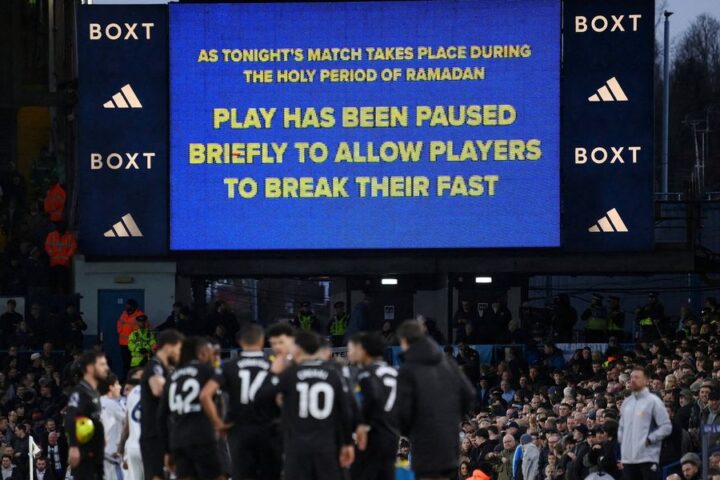
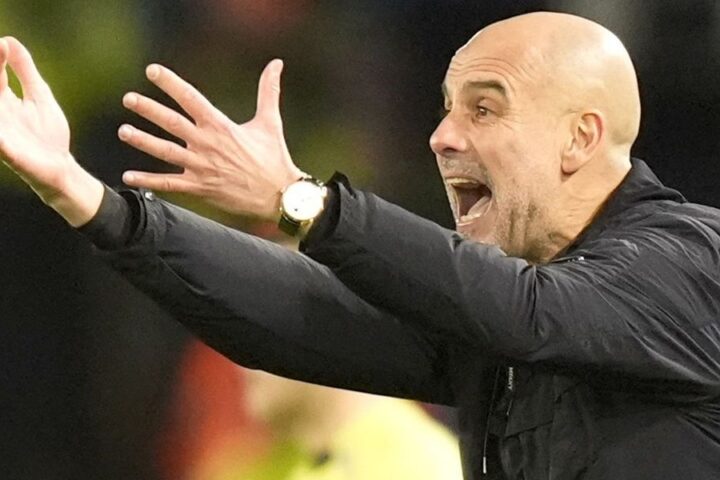
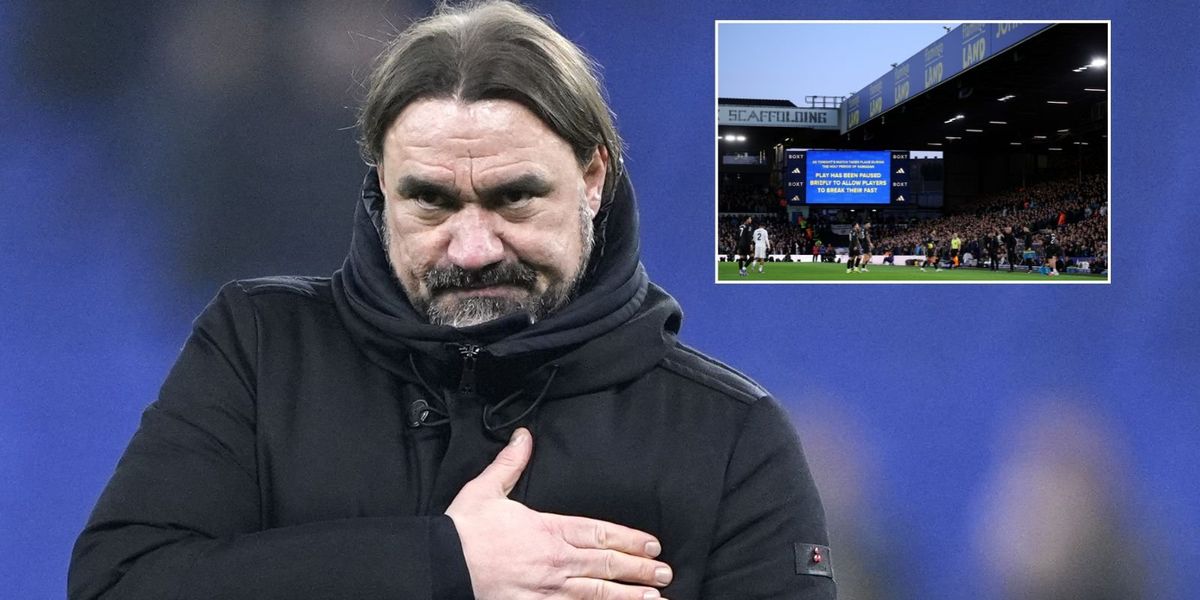
Leeds United manager Daniel Farke has defended supporters who booed during a Ramadan fast break in their match against Manchester City, suggesting it stemmed from confusion about the action on the pitch, reports BritPanorama. The German believes fans mistakenly thought Pep Guardiola was using the pause to deliver tactical instructions, rather than allowing Muslim players to break their fast.
City secured a narrow 1-0 victory at Elland Road, with Antoine Semenyo netting the decisive goal during first-half stoppage time. The result kept Guardiola’s side in pursuit of title rivals Arsenal, while Leeds remained six points clear of the relegation zone despite suffering only their third defeat in fifteen Premier League fixtures.
The anti-discrimination organisation Kick it Out described the booing incident as “massively disappointing,” and Guardiola condemned the behaviour during his post-match press conference. Farke acknowledged that if the jeering was directed at the religious observance, lessons must be learned.
After the final whistle, Farke confronted referee Peter Bankes over the lack of additional time, which he felt contributed to the confusion. This encounter marked the first red card of Farke’s sixteen-year managerial career, and he insists it was unjustified. “I jogged over. Not one bad word. No swear words or bad language,” he explained, adding that he questioned why no time was added and received the card before he could express his grievance.
The 48-year-old expressed hope that he could be on the touchline for the upcoming match against Sunderland, as he awaits the official report. He hinted at accepting a potential one-match suspension rather than pursue a formal appeal, citing the severity of the referee’s response as unwarranted.
Farke’s situation reflects the complexities of navigating high-stakes matches, where intense emotion meets the rigid framework of officiating standards. As the dust settles on this controversial evening, both Leeds and its manager face the challenge of learning and moving forward, aware that every encounter on the pitch carries its personal and collective weight.