MCC announces significant changes to cricket rules
The Marylebone Cricket Club has unveiled a sweeping overhaul of cricket’s rulebook, with 73 amendments set to take effect from October 2026, reports BritPanorama.
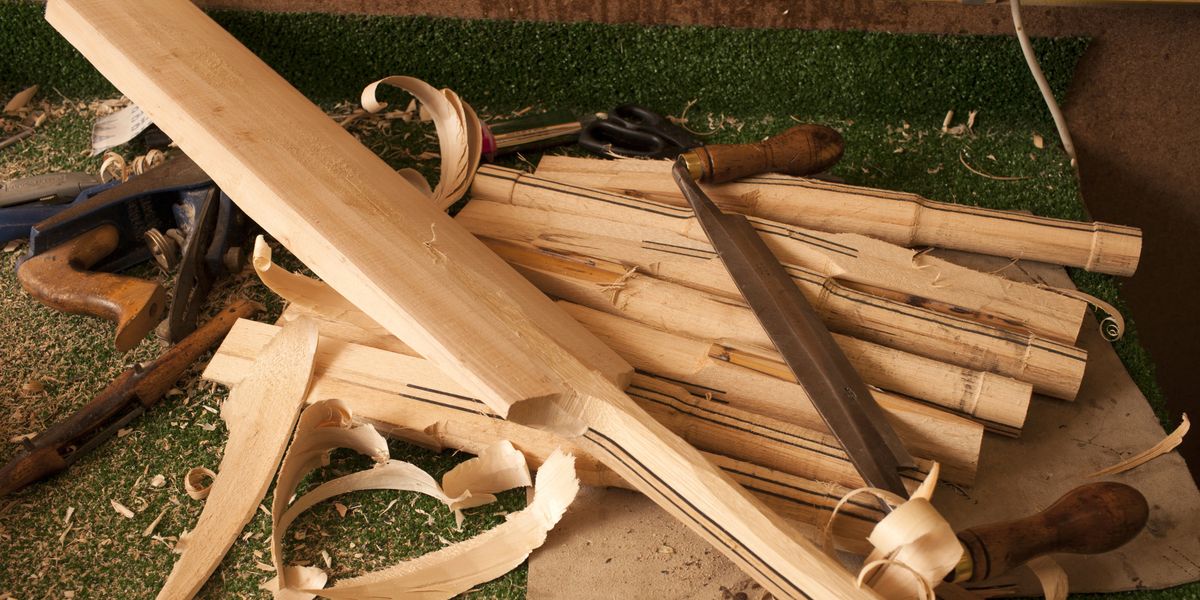
Among the most significant changes is the legalisation of laminated Type D bats for adult recreational cricket, a move designed to tackle soaring equipment costs that have put the sport increasingly out of reach for amateur players. This amendment to Law 5.8, covering bat categories, responds directly to the sustainability and financial pressures facing grassroots cricket, as English willow becomes increasingly scarce and expensive.
Previously restricted to junior cricket, these multi-piece bats will now be permitted at all levels of the recreational game, while professional cricket is anticipated to continue using traditional single-piece willow blades. The financial strain on cricket’s equipment market has reached critical levels, with bat prices having tripled in recent years due to surging demand from South Asian nations and dwindling supplies of English willow, pushing premium models to nearly £1,000.
“There’s not really enough willow to go round,” Fraser Stewart, the MCC’s Laws manager, told BBC Sport. He emphasised the environmental dimension of the decision, stating: “So it’s about being as sustainable as we can, too. Let’s try and use as much of the tree as possible. Let’s try and be as sustainable as we can.”
The MCC convened a conference at Lord’s last year, gathering key industry figures to address the future of bat production. Manufacturers have welcomed the changes, with Stewart noting their desire to avoid charging excessive prices for their products. Type D bats will feature a laminated construction using up to three wooden pieces, typically combining an English willow striking face with cheaper backing materials such as Kashmir willow. Manufacturers will also gain permission to incorporate woods other than willow behind the bat face under the revised regulations.
The MCC conducted extensive testing alongside bat makers before approving the change, with Stewart confirming that any performance benefit from the laminated design would be “marginal at best.” He added, “We felt if anything can be done for the lower levels of the sport that will help make it more affordable without changing the dynamics of the game then it’s a sensible move to make.” Types A, B and C bats, crafted from solid single-piece willow, will remain the standard at the elite level.
In addition to the changes regarding bats, the new edition of the Laws will conclude the removal of gendered language throughout the rulebook while simplifying wording to assist readers for whom English is not their first language. Notably, the final over of a session in multi-day matches will now continue to completion even if a wicket falls, and boundary catches will face tighter restrictions under revised Law 19.5.2.
As cricket adapts to these changes, the focus shifts to how the sport will balance tradition with modern demands, reflecting broader shifts in the game and its audience. It’s a reminder that even in cricket, where history looms large, evolution remains essential for survival.