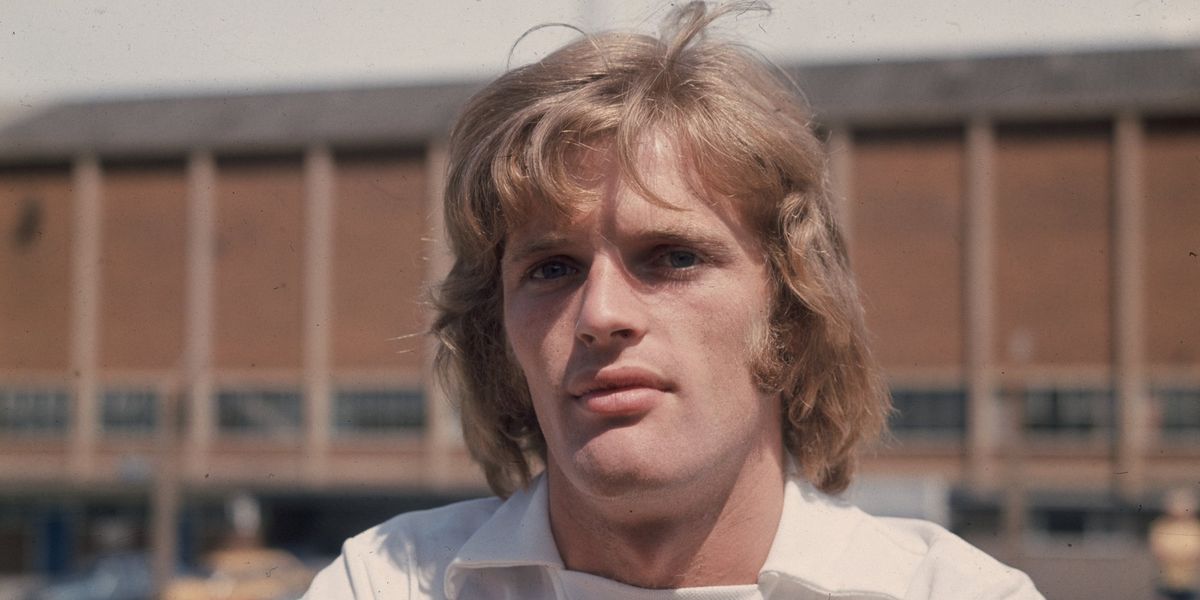
Coroner attributes brain injury in Gordon McQueen’s death to heading football
Heading a football “likely” contributed to the brain injury that was a factor in the death of former Scotland defender Gordon McQueen, a coroner has found, reports BritPanorama.
The 70-year-old passed away at his North Yorkshire home in June 2023 after becoming frail and bedridden for several months. Coroner Jon Heath delivered a narrative conclusion at the Northallerton inquest, ruling that McQueen died from pneumonia resulting from a combination of vascular dementia and chronic traumatic encephalopathy (CTE).
Heath noted, “It is likely that repetitive head impacts sustained by heading the ball while playing football contributed to the CTE.”
Throughout his career, McQueen earned 30 caps for Scotland between 1974 and 1981, a tenure marked by his defensive prowess and occasional goal-scoring from set-pieces. His daughter, television presenter Hayley McQueen, attended the inquest and revealed that her father had acknowledged the potential impact of his football career on his cognitive health, stating, “heading a football for all those years probably hasn’t helped.”
She recounted instances of her father suffering concussions but remarked that he was relatively free from serious injuries during his playing days. However, the family began to notice personality changes after his 60th birthday, with McQueen becoming increasingly withdrawn.
Initially moving to England from St Mirren to Leeds United in 1972, McQueen helped secure the league championship in 1973-74 and later joined Manchester United in 1978, where he won an FA Cup five years later. Following retirement, he briefly managed Airdrie and coached at St Mirren, eventually working with Bryan Robson’s staff at Middlesbrough.
After McQueen’s death, his family donated his brain for research to Professor Willie Stewart of the Queen Elizabeth University Hospital, who explored brain injuries among footballers and rugby players. Prof Stewart’s examination revealed evidence of both CTE and vascular dementia, confirming that heading the ball contributed significantly to the condition.
Prof Stewart stated that the available evidence strongly indicated McQueen’s “high exposure” to heading a football throughout his playing career. In a statement following the hearing, Hayley McQueen expressed a desire for her father’s legacy to drive change within football, advocating for more education and potential legislation to address the issues of head injuries in the sport.
The findings around Gordon McQueen’s health reflect ongoing concerns about player safety and the need for the football authorities to address a critical issue that has lingered in the background for far too long.