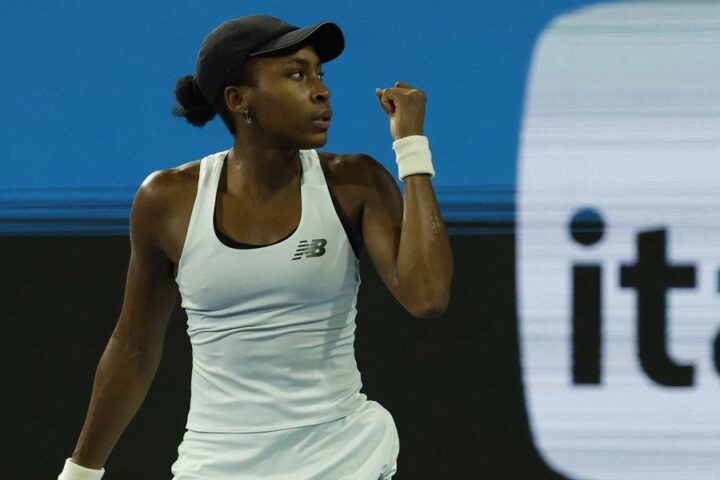
Coco Gauff addresses Australian Open controversy
Coco Gauff has posted a fresh statement on social media following the controversy surrounding her Australian Open quarter-final exit, reports BritPanorama.
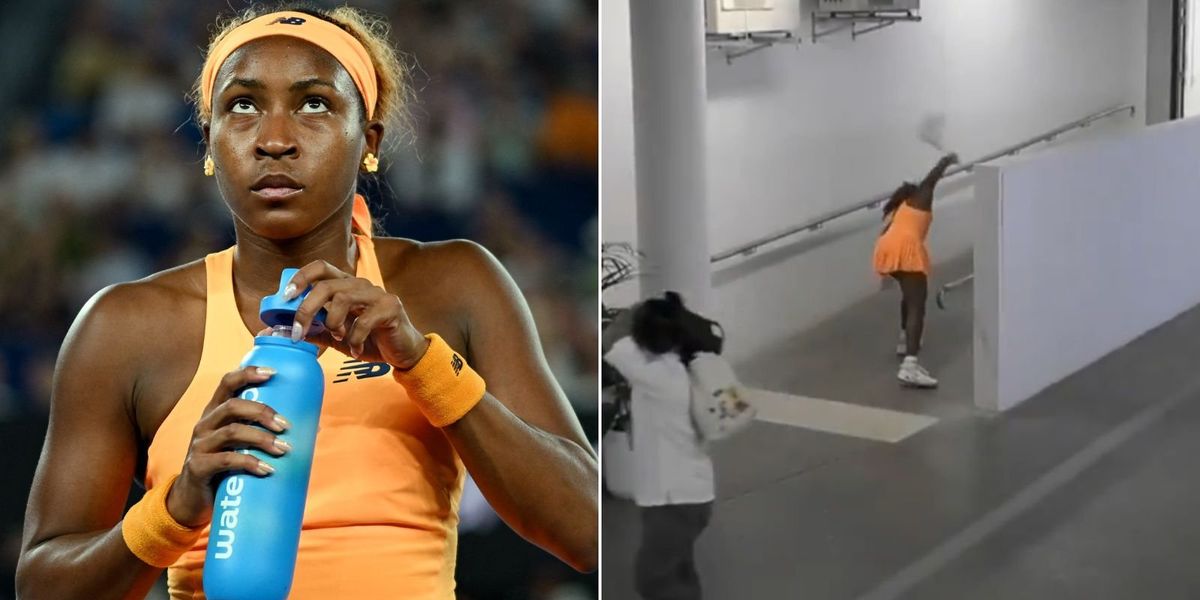
Gauff struggled to contain her emotions after her straight-sets defeat to Elina Svitolina on Tuesday, with footage emerging of her destroying her racket post-match. The reaction has sparked considerable discourse regarding the pressures faced by professional athletes, especially young players in high-stakes environments.
Taking to X, the American expressed her feelings, stating: “Living and learning. But still will keep trying to move forward. Also, I’m a real person with real feelings I care a lot & I’m trying my best. Thank you to those who understand that.” Her comments highlight the human aspect of competitive sports and the challenges athletes endure during intense moments.
Moreover, Gauff criticized tournament broadcasters for what she deemed an invasion of privacy, accusing them of failing to respect the player’s need for emotional space following defeats. She argued that such incidents should not be subjected to live broadcast, indicating that athletes deserve the right to express frustrations away from the cameras.
During her post-match press conference, she elaborated on her frustrations with the coverage, noting, “I feel like certain moments – the same thing happened to Aryna [Sabalenka] after I played her in the final of the US Open – they don’t need to be broadcast.” Gauff emphasized that she had sought out a private area before the incident occurred, showcasing her desire for a moment of solace after a disappointing match.
Support for her stance has emerged from fellow players and spectators, revealing a shared concern regarding media practices. Jessica Pegula backed Gauff, stating that the need for more private moments post-match has long been a topic among players, reflecting broader questions about media access in competitive sports.
As discussions around tournament protocols and player privacy continue, Gauff called for a reevaluation of camera access, suggesting that what constitutes a private space for athletes should be taken more seriously. Her situation serves as a reminder that behind the athleticism and competition lies the psychological burden players carry, and how essential it is to balance media coverage with respect for their emotional well-being.
With her earlier promise to manage her on-court frustrations and the ongoing discourse on athlete privacy, Gauff’s experience resonates as a timely reflection on the evolving relationship between sports, media, and the individuals at their heart. After all, in the world of sport, even moments of vulnerability can become battlegrounds for identity and representation.