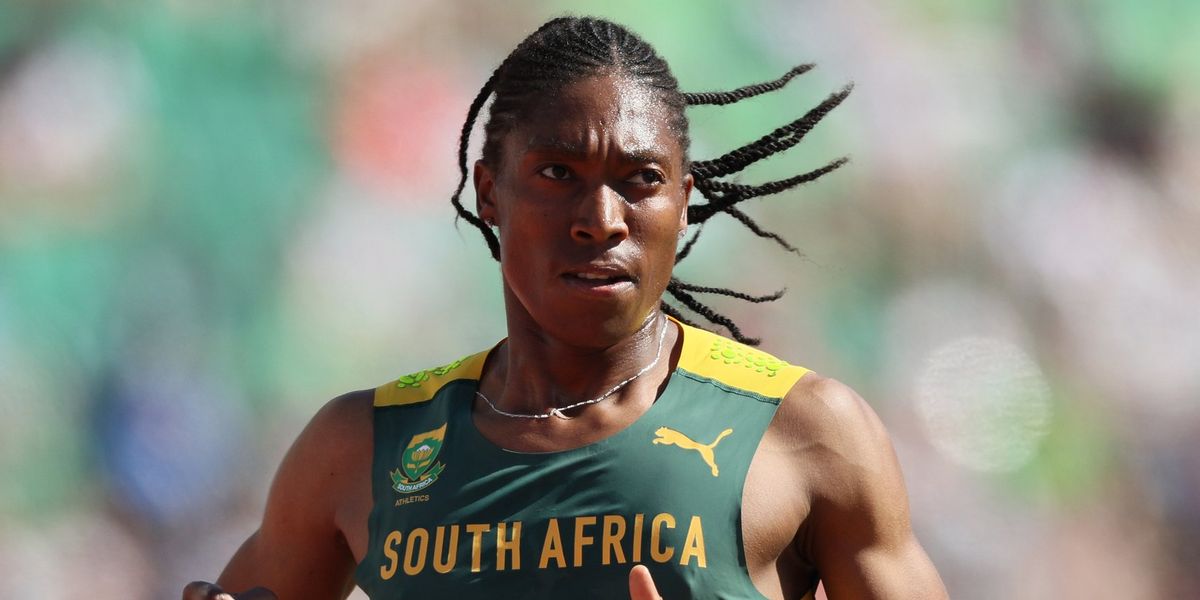
Caster Semenya condemns IOC’s new eligibility rules for women’s events
Double Olympic champion Caster Semenya has condemned the International Olympic Committee’s new eligibility rules for women’s events as “nonsense” and “unfair,” urging affected athletes to mount a collective legal challenge, reports BritPanorama.
The South African 800m gold medallist described the regulations as “heartbreaking” and driven by power rather than neutrality. She questioned the scientific foundations of the policy, stating, “The minute you start asking a woman to be tested to take part in sports, that’s not dignity.”
Semenya further challenged the rationale behind the regulations, asserting, “She does not have any proof, there is no scientific proof about what has been said. It is an ideology of some male scientists who believe they can do what they want.” She encouraged athletes to unite against the decision, telling Sky News, “I will encourage athletes to come together as a class action… because this does not make sense.”
IOC President Kirsty Coventry, a former Olympic swimming champion, defended the new regulations, stating they are based on medical expertise and essential for competitive integrity. “As a former athlete, I passionately believe in the rights of all Olympians to take part in fair competition,” she remarked, emphasizing that the policy is scientifically grounded.
The IOC has cited research indicating that biological males hold a significant advantage in most running and swimming events, with the gap more pronounced in explosive power sports like boxing. The newly announced regulations, effective for the Los Angeles 2028 Olympics, restrict eligibility for women’s events to biological females only. Transgender athletes are barred entirely from participating in female competitions, while those with Disorders of Sex Development must prove they derive no performance-enhancing benefits from testosterone.
An exception exists for DSD athletes with complete androgen insensitivity syndrome, who have not undergone male puberty. Eligibility will be determined via a one-time SRY gene screening. Past use of SRY testing was abandoned in the 1980s due to concerns about false positives.
Semenya’s eligibility has been questioned since she won gold at the world athletics championships in 2009, where subsequent tests revealed her XY chromosomes and elevated natural testosterone levels alongside female characteristics. Despite the scrutiny, she secured Olympic titles at London 2012 and Rio 2016 but faced career limitations when World Athletics imposed testosterone reduction requirements in 2018, which she refused to comply with. Legal challenges in various courts have proved largely unsuccessful, although a partial victory was achieved at the European Court of Human Rights last year.
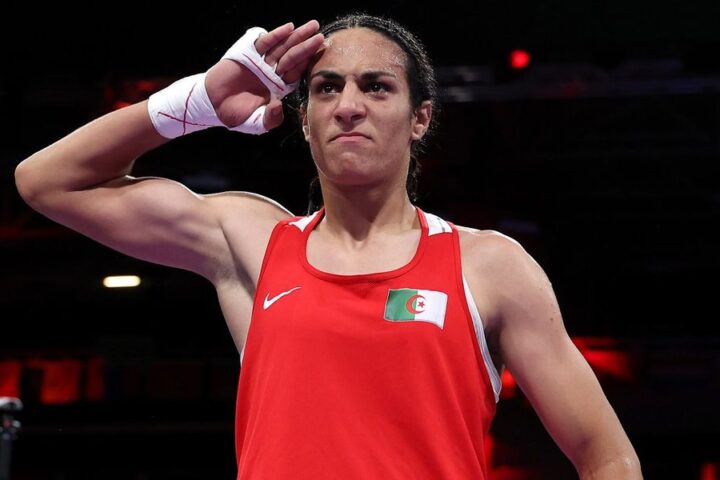
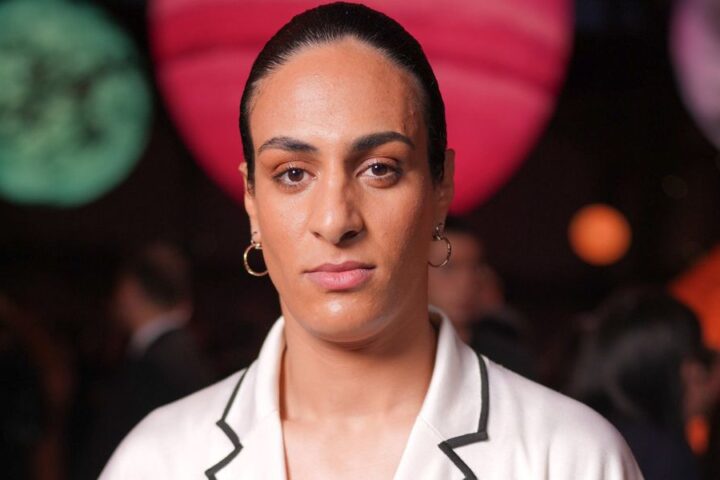
The pressure on the IOC has escalated following the Paris 2024 Olympics, where boxers Imane Khelif and Lin Yu-ting won gold amid disputed gender eligibility claims, highlighting the ongoing complexities surrounding gender and sport.
As the conversation around sports and gender continues to evolve, Semenya’s call to action encapsulates the deep divisions within the athletics community, a reminder that competitive fairness remains a contentious battleground.