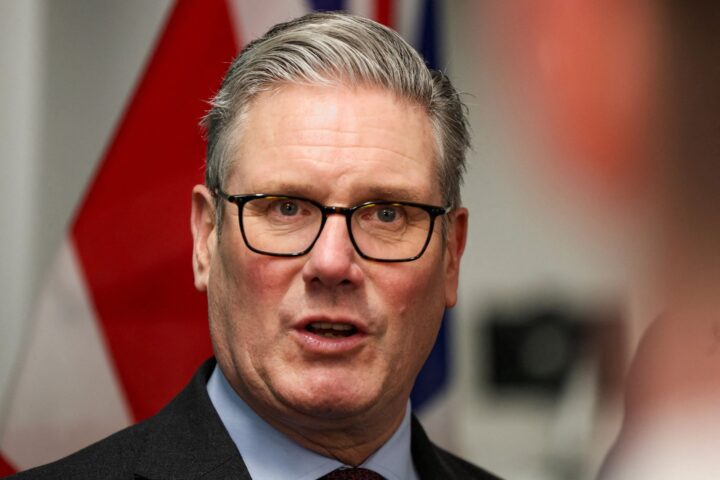
Former footballers meet with Sir Keir Starmer to discuss men’s wellbeing
Former England footballers Jamie Carragher and Conor Coady met with Sir Keir Starmer to advocate for men’s wellbeing, reports BritPanorama.
The Prime Minister revealed plans for a three-year collaboration with the Premier League to support men’s wellbeing through football. The initiative will harness “the power of football to reach men where they are” by offering support services and guidance at football matches.
This partnership forms part of broader Government efforts to address men’s health challenges announced during the first International Men’s Day reception held at No 10. The football-based approach recognises the sport’s unique position in reaching male audiences who might otherwise be reluctant to seek help or advice through traditional channels.
The Downing Street gathering brought together prominent figures from sport and entertainment who advocate for men’s wellbeing. Attendees included Carragher and Coady, as well as England rugby international Ugo Monye, comedians Elis James and John Robins, television personality Pete Wicks, and Movember advocates Bobby and Kay Bansal.
Earlier in the day, Sir Keir shared a personal Instagram video addressed to his son, expressing his “proud” feelings and mentioning their shared enjoyment of takeaway meals. He reflected on the difficult relationship he had with his own father, emphasising his determination to forge a different connection with his son. The PM also unveiled plans for a government summit next year aimed at addressing issues affecting men and boys. Speaking during the reception, Sir Keir declared that challenges, including men’s mental health and online misogyny, “demand a national response.”
Deputy Prime Minister David Lammy and victims minister Alex Davies-Jones will lead the Government’s initiatives on these concerns. Mr Lammy stated that men and boys “have to be part of this conversation,” linking the effort to Labour’s manifesto pledge to reduce violence against women and girls by half within ten years. This announcement coincided with the unveiling of a comprehensive men’s health strategy addressing critical issues such as suicide, alcohol dependency, and problem gambling.
Ministers have committed £3.6 million towards suicide prevention initiatives specifically designed for middle-aged men over the next three years. These programmes will focus on England’s most deprived areas where men face the highest risk of taking their own lives.
In sports and societal issues, the confluence can be stark, often illuminating pathways to engagement. As these initiatives underscore the important role football can play in tackling pressing health matters, the wider implications extend beyond the pitch, beckoning a thoughtful reflection on how we view male mental health in contemporary society.