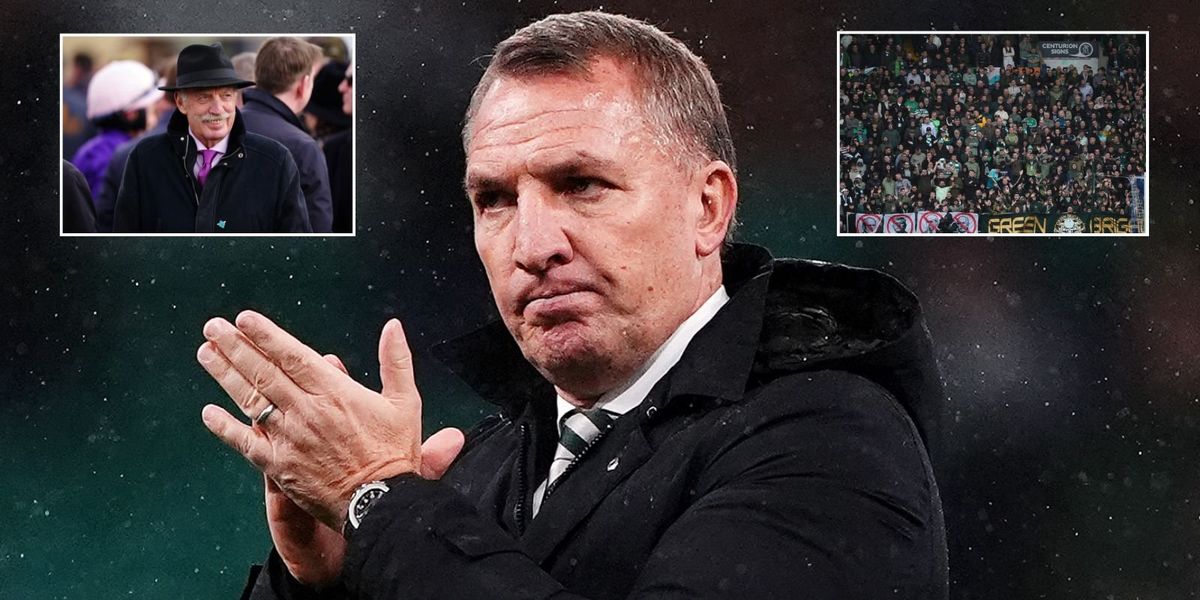
Brendan Rodgers resigns from Celtic
Brendan Rodgers’ second spell in charge of Celtic has ended in explosive fashion, with the Northern Irishman walking away late on Monday, reports BritPanorama.
The 52-year-old had added to his legacy in Glasgow by guiding the club to two more Scottish Premierships during his reign. However, a 2-1 defeat to Hearts over the weekend, which left his side eight points off the top, prompted his decision to leave the club.
What began two years ago as a homecoming filled with optimism has unravelled into a public breakdown between the manager and the club’s hierarchy. Dermot Desmond, Celtic’s principal shareholder, has laid bare the tensions in an extraordinary statement accusing Rodgers of betrayal, dishonesty, and self-interest.
Issues had arisen earlier in the summer when Rodgers expressed frustration with recruitment during press conferences that had become increasingly pointed. His insistence on football focus was matched by a clear sentiment of being unsupported in the transfer market. Tensions further escalated after a disastrous Champions League exit at the hands of Kairat Almaty, which impacted the club both financially and emotionally.
The Celtic champions, traditionally dominant at home, showed disjointed play and a lack of confidence in their recent performances. Following a shock defeat to Dundee, which deepened the crisis, a visibly exasperated Rodgers remarked, “You can’t expect to win races if you’re driving a Honda Civic when others have Ferraris.” This analogy underscored his discontent with the club’s transfer policy.
A routine Europa League victory briefly steadied the mood, but subsequent setbacks saw fans turn against both Rodgers and the board. When Celtic fell to Hearts, the dissatisfaction peaked, leading to Rodgers’ swift departure. Desmond’s response was immediate and severe, accusing the former manager of misleading supporters and undermining the club. He stated that when Rodgers was brought back two years ago, it was “with complete trust and belief” that he could lead the club into a new era, but that trust had eroded amid false narratives regarding their relationship.
Desmond insisted that the club had always supported Rodgers and claimed that his conduct had created “a toxic atmosphere” with “divisive” remarks. As the situation deteriorated, the message was clear: Desmond viewed Rodgers’ stance as disloyalty, creating an irreparable rift and leading to his resignation.
With Martin O’Neill returning as caretaker alongside Shaun Maloney, Celtic faces the task of regrouping amidst a challenging season. Whether they can close the gap to Hearts, currently eight points clear at the summit, remains uncertain.
In the unpredictable world of football, the pace of change is relentless. Rodgers’ exit and O’Neill’s return serve as a reminder of how precarious managerial stability can be, and how quickly fortunes can shift in this demanding sport.