BBC Sport announces record-breaking viewing figures for Winter Olympics
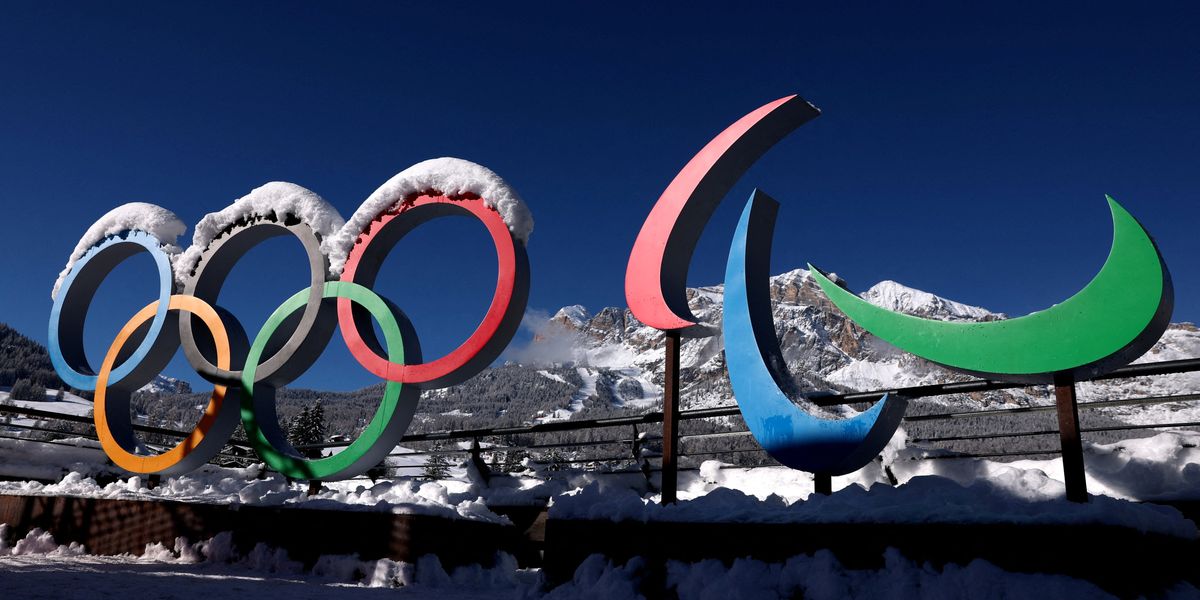
BBC Sport has reported unprecedented streaming figures for its Milano-Cortina Winter Olympics coverage, with 83 million streams recorded across iPlayer, the BBC Sport website and app, reports BritPanorama.
Television audiences also saw significant engagement, reaching 26.3 million viewers, while total streaming hours surpassed 44 million online. The numbers represent a dramatic surge compared to the Beijing Games four years ago, which attracted 31.4 million streams and 26 million TV viewers.
Engagement on social media reached new heights, generating 235 million views throughout the competition. The corporation described this as “the most widely consumed Winter Olympic Games on the BBC,” noting that digital growth helped compensate for a decline in traditional television viewing.
During the fortnight, BBC Sport achieved its strongest digital performance in two years, with 12.23 million accounts accessing content. However, despite these record-breaking numbers, viewers took to social media to condemn the BBC’s output as “abysmal” and “the worst ever.”
Complaints centred on the broadcaster’s habit of switching between events mid-competition, leaving audiences unable to watch sports from start to finish. “The BBC coverage of the Winter Olympics is actually abysmal,” one viewer wrote on X.
Many expressed frustration over excessive repeats and pre-recorded segments, with demands for more live action featuring British athletes. One viewer branded the ice hockey coverage “absolutely and utterly atrocious” after iPlayer switched to skiing without warning.
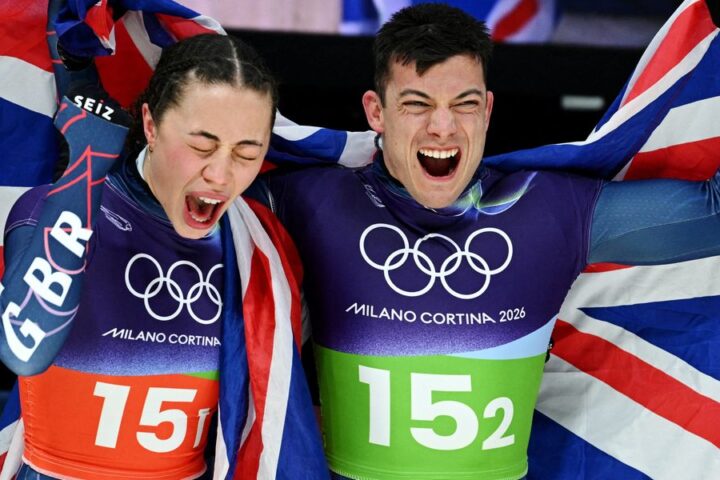
The broadcaster was also forced to apologise after missing a pivotal moment during Matt Weston and Tabitha Stoecker’s gold medal triumph in the mixed team skeleton relay. As Weston began his run, the main broadcast showed footage of his coach offering encouragement rather than the official start of the race.
Despite the technical issues arising from the Olympic world feed rather than direct BBC control, commentator John Hunt expressed immediate regret to viewers. “Oh, what are they doing? What are they playing at? That’s terrible. That’s a great start. Sorry about the pictures, but Matt is on his way,” Hunt stated.
BBC Sport director Alex Kay-Jelski hailed the multi-platform approach as a triumph, stating, “From unforgettable human moments to technical sporting insight, BBC Sport didn’t just cover this year’s Winter Olympic Games, it delivered conversation and insight around them that got audiences talking and engaging more than ever.” He added, “I’m hugely proud of the teams who worked tirelessly to deliver such an outstanding Games for existing and new audiences.”
However, the corporation had scaled back its live output compared to previous Winter Olympics, with TNT Sports broadcasting the Games for the first time and providing over 850 hours of coverage. Prior to the competition, Kay-Jelski had promised viewers “unmissable coverage” featuring “all the very best action and medal moments.”
The Winter Olympics often serve as a reflection of national pride and unity, yet this year’s coverage has sparked a conversation about the complexities of modern broadcasting, reminding us how expectations can differ greatly from reality.