Controversy surrounds BBC’s ‘woke’ coverage of the Sports Personality of the Year award
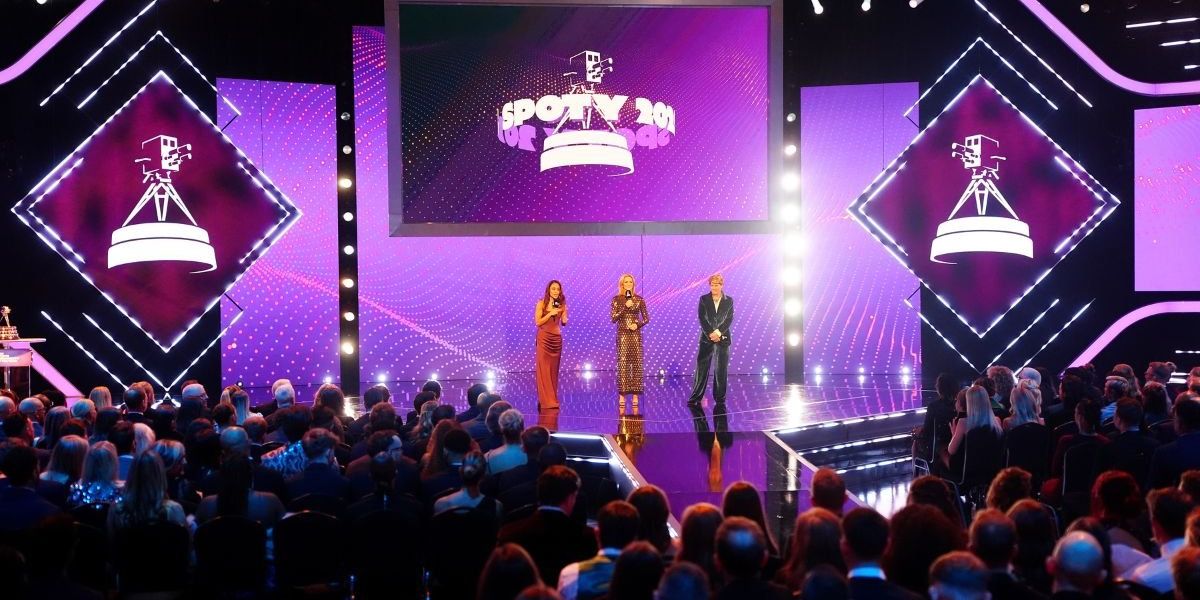
The BBC has faced criticism over its perceived ‘woke’ coverage of the Sports Personality of the Year (SPOTY) award ceremony, which is being held on a Thursday for the first time, reports BritPanorama.
Rory McIlroy is considered the frontrunner for the accolade after completing a career Grand Slam with his Masters victory earlier this year—a feat achieved by only five other golfers, the last being Tiger Woods 25 years ago.
Despite McIlroy’s impressive credentials, he faces significant competition from fellow nominees including Luke Littler, Ellie Kildunne, Lando Norris, Hannah Hampton, and Chloe Kelly. Hosting the event will be Alex Scott, Clare Balding, and Gabby Logan, as viewers express dissatisfaction with the BBC’s new approach and the change in event timing.
Viewer reactions on social media have been vocal, with one noting, “So, just found out it’s SPOTY tonight,” reflecting a sense of disconnection from the traditional fanfare associated with the event. Some have called out the absence of separate categories for men’s and women’s sports, questioning how such diverse athletes can be fairly compared.
Past viewers highlighted how their affection for the show has waned over the years, with comments such as, “Shame on the BBC for ruining SPOTY” encapsulating the sentiment among certain audiences. While a section of viewers remains critical, Rory McIlroy’s attended presence is significant, marking a potential victory for the golfer as he aims to become the first from his sport to win the SPOTY trophy since Sir Nick Faldo in 1989.
The competition is fierce, with Lando Norris fresh off a thrilling Formula One championship win and Littler coming off a historic year as the youngest darts champion ever, having claimed multiple titles throughout the year, including the World Grand Prix and the Premier League.
Additionally, both Hampton and Kelly from the Lionesses are recognised for their contributions in leading England to victory at the Women’s European Championship. Kildunne’s role in helping England secure their third World Cup title further illustrates the remarkable achievements of female athletes in the recent past.
As the SPOTY event unfolds, it serves as a mirror of evolving discussions in sports about recognition and representation. The juxtaposition of traditional sports values and contemporary societal dialogues is well underway, creating an atmosphere ripe for both celebration and critique. How the BBC navigates this will certainly shape public perception in the coming years.