Aryna Sabalenka advances to Australian Open semi-finals with dominant win
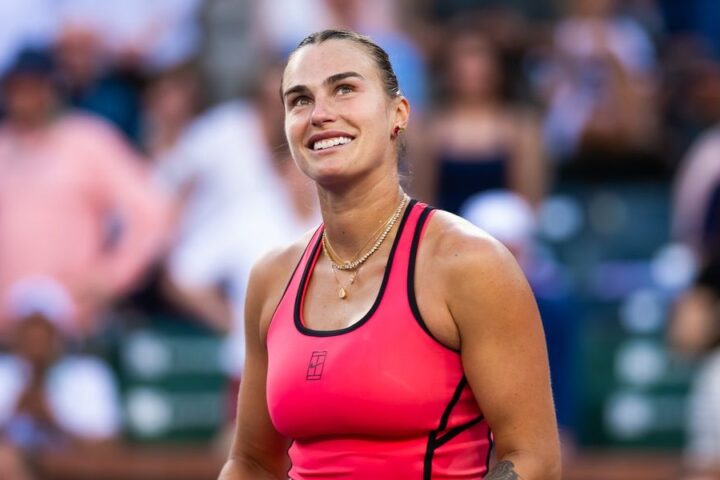
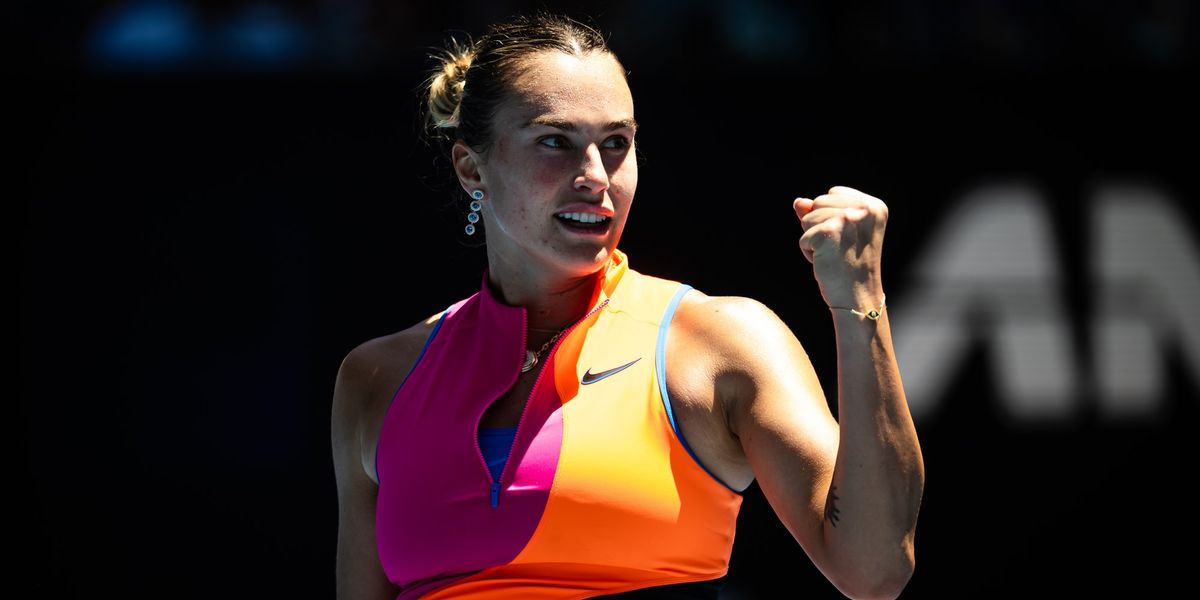
Aryna Sabalenka swept past teenage opponent Iva Jovic on Tuesday, claiming a commanding 6-3, 6-0 quarter-final triumph at the Australian Open to book her place in the last four, reports BritPanorama.
The victory follows a demand from Ukrainian tennis player Oleksandra Oliynykova for the world number one, 27, and fellow competitors from Russia and Belarus to be expelled from professional tennis entirely.
The Belarusian, who lifted the Melbourne trophy in both 2023 and 2024, is pursuing a third Australian Open crown in four years. Sabalenka conceded just three games against the 18-year-old American, continuing her flawless run through the tournament without dropping a set.
This latest victory means Sabalenka has now achieved a remarkable record, having progressed to at least the semi-final stage in 12 of her past 13 grand slam appearances. The final score belied the competitive nature of many rallies, with Jovic frequently matching Sabalenka in exchanges only to find herself on the losing side when it mattered most.
The pivotal moment arrived in a gruelling ninth game of the opening set, which stretched to 10 minutes as Sabalenka fended off three break point opportunities before converting her third set point. After the match, Sabalenka said: “These teenagers are testing me in the last couple of rounds. She’s an incredible player, it was a tough match – don’t look at the score, it wasn’t easy at all. I’m super happy with the win, it was a tough battle.”
Melbourne experienced its most extreme temperatures in 17 years on Tuesday, with the mercury forecast to climb to approximately 45C. The scorching conditions prompted tournament officials to shut the Rod Laver Arena roof shortly before 1.30pm, just as Sabalenka was completing her post-match interview. At that point, the tournament’s heat-stress scale reached its maximum of five, the level at which protective measures become mandatory.
The scale measures multiple factors, including air temperature, radiant heat, humidity and wind speed, to assess whether conditions remain safe for competitors. Officials had anticipated the extreme weather and restructured the day’s programme accordingly, pushing back the wheelchair competition until Wednesday and bringing forward junior matches to a 9am start. Later junior fixtures were rescheduled to begin no earlier than 6.30pm, ensuring all daytime matches concluded before the most stringent heat protocols would have forced postponements on uncovered courts.
Amid her success, calls for Sabalenka to be banned were renewed after Oliynykova crashed out in the early stages. The world number 92 had donned a T-shirt bearing a pointed message: “I need your help to protect Ukrainian children and women, but I can’t talk about it here.” She subsequently told The Age that permitting athletes from Belarus and Russia to compete was “very wrong” given the ongoing conflict devastating her homeland. Oliynykova stated: “It’s very wrong that they are not disqualified in tennis like in other sports. I know that here is the picture that we are all tennis girls playing, but the people don’t see the things behind it. The people with money and power, they are using this to support aggression against my country.”
The intertwining of sport and international political tensions was on stark display, revealing how even in victory, athletes can find themselves mired in controversy and larger global issues.