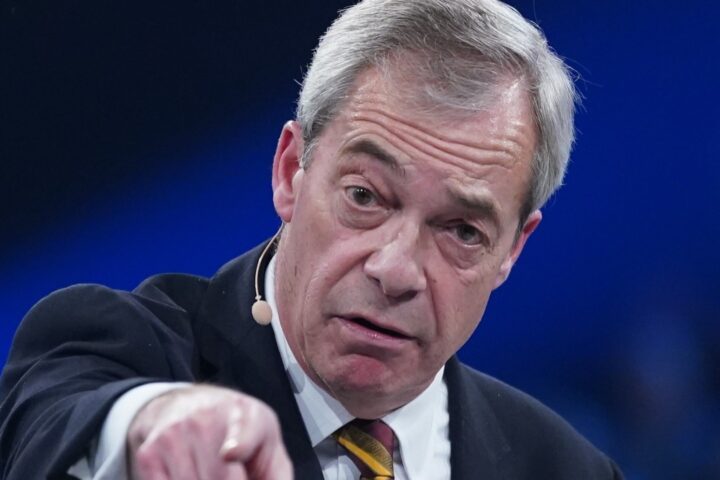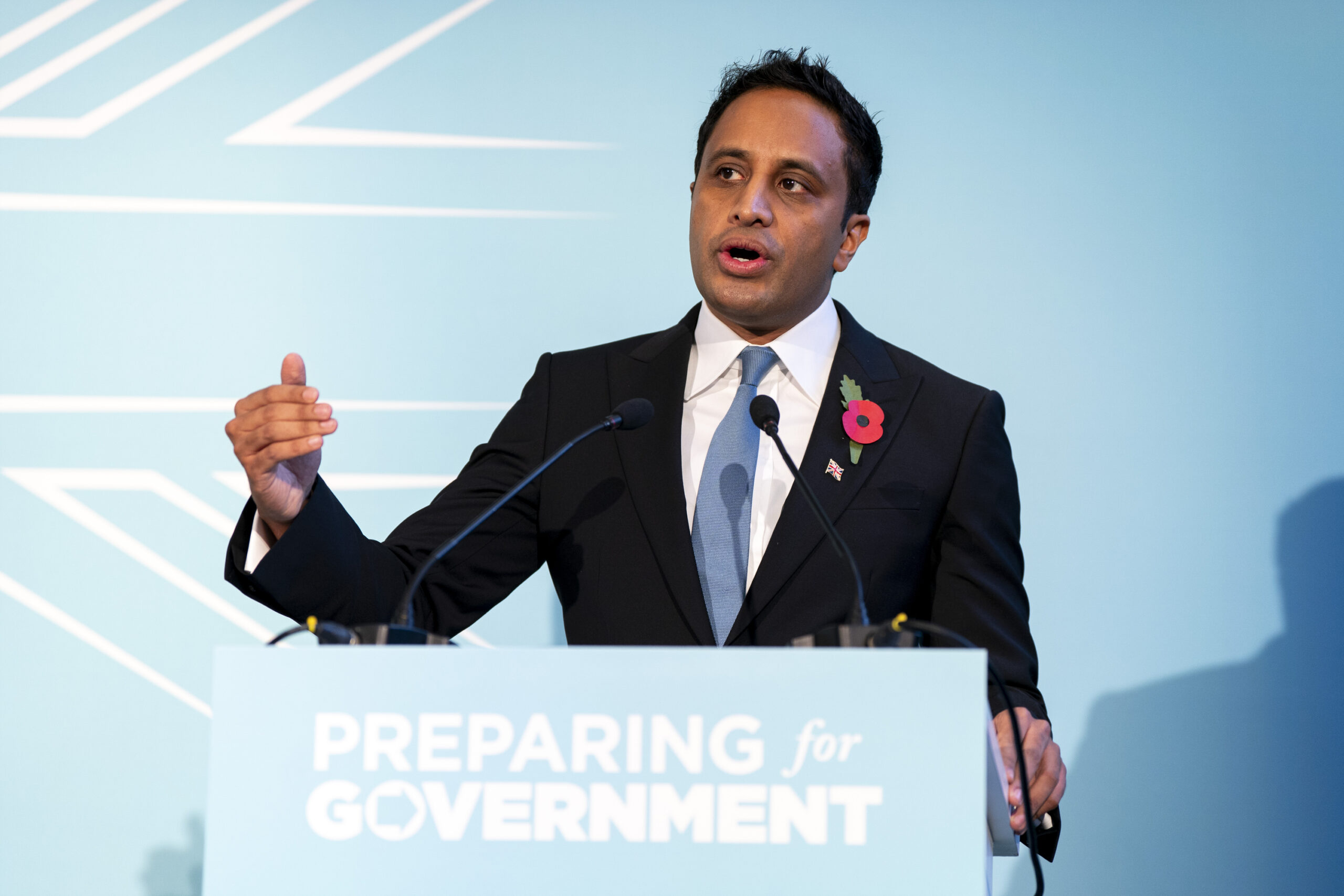
Reform UK’s Head of Policy, Zia Yusuf, stated today that ministers should not be preoccupied with local concerns such as swimming pools, highlighting a shift in governance priorities. Yusuf proposed that if a government led by Nigel Farage comes to power, it would appoint unelected experts to fill half of its cabinet, allowing them to focus less on constituency matters, reports BritPanorama.
According to Yusuf, having unelected professionals in leadership roles ensures that high-ranking officials can concentrate on significant national issues rather than trivial local governance. “We are in a competitive world,” he asserted, referencing the focus required for leadership in the current geopolitical climate.
Yusuf questioned whether it is effective for top officials, such as the Minister of Defence, to engage in local constituency surgeries, especially amid heightened global tensions involving nations like Russia and Ukraine.
Meanwhile, newly defected Reform MP Danny Kruger declared intentions to overhaul the civil service code, asserting a need to eliminate what he termed “woke activism” from the UK government. Kruger announced plans to reduce the number of civil service employees and to close government buildings that are underutilized.
When questioned about the potential job cuts, he stated, “We want to design the function of Whitehall, and then its form, and then its size, so the size will be determined by the form that we arrive at. What I can confidently say, though, is that we are going to get this overall headcount of the centre of the civil service base in Whitehall back down below the levels it was at before Brexit.
Kruger described the current state of Reform as “a bit of a pirate ship,” expressing a desire to reshape it into a disciplined, effective political force akin to “His Majesty’s Royal Navy Ship of the line, ready to enter the King’s service and serve our nation.”
The discussions within Reform UK highlight a broader ideological shift among certain UK political factions, focusing on governance efficiency, the role of expertise in government, and the changing expectations of public service during complex international landscapes.
As political dynamics evolve, the emphasis on appointing skilled, expert leaders over traditional electoral politics may appeal to a segment of the electorate seeking pragmatic governance solutions in a turbulent world.