Corbyn ousted from leadership plans as party backs committee model
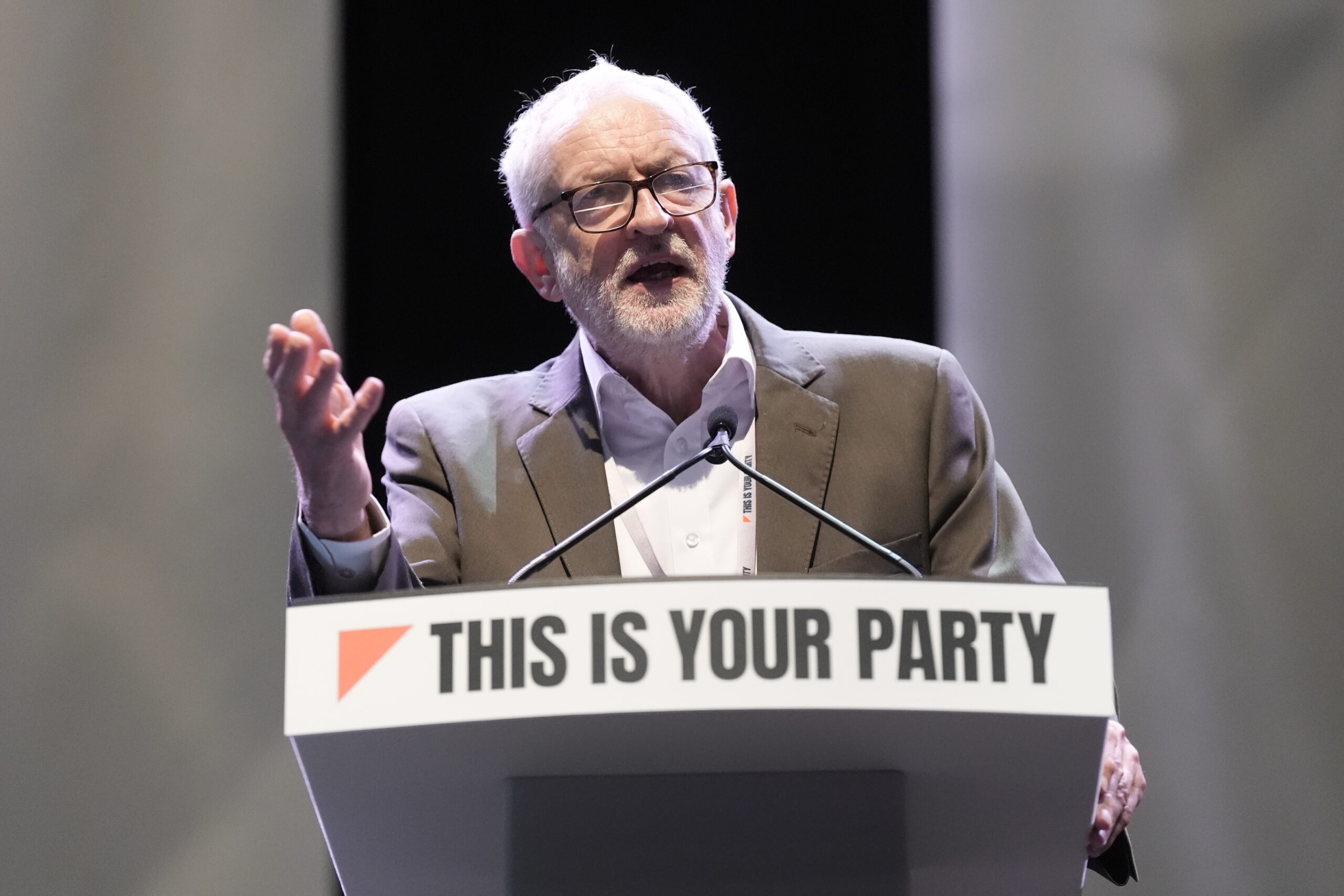
Jeremy Corbyn’s aspirations to lead his new party were curtailed after members rejected his proposal in favor of a committee model, reminiscent of Soviet-era governance structures, during what has been described as a chaotic founding conference, reports BritPanorama.
This decision underscores a turbulent beginning for the party, which has faced internal conflicts, threats of legal action, and allegations of purges. Corbyn had advocated for a sole leader model, but members opted to support Zarah Sultana, his rival candidate, indicating a shift away from centralized leadership.
Sultana, who boycotted the initial day of the conference, condemned the expulsion of activists linked to the Socialist Workers Party, labeling the situation a “witch hunt.” Her absence exacerbated the disarray, as delegates disputed rules, voting rights, and control over proceedings during the Liverpool event.
Yesterday, she participated in a pro-Palestine demonstration outside the conference venue. In her address to members, she characterised the committee structure as “exciting” and emphasized her commitment to member democracy from the outset.
The conference also prompted discussions regarding the party’s name, with options including Your Party, Our Party, Popular Alliance, and For The Many. Ultimately, Corbyn announced that Your Party would be the official name, closing the first formal naming vote.
This nascent movement has already seen the departure of two members in recent weeks, leaving only four prospective MPs associated with the party’s efforts moving forward.
The dynamics within Corbyn’s new party highlight ongoing tensions within the broader left-wing political landscape in the UK, as factions struggle to define their identity and governance structures amid changing political realities.
The contestation for leadership and direction reflects the complexities of leftist politics in contemporary Britain, as former Labour figures navigate their paths in a fragmented political environment.