Wes Streeting faces internal backlash amid leadership talk
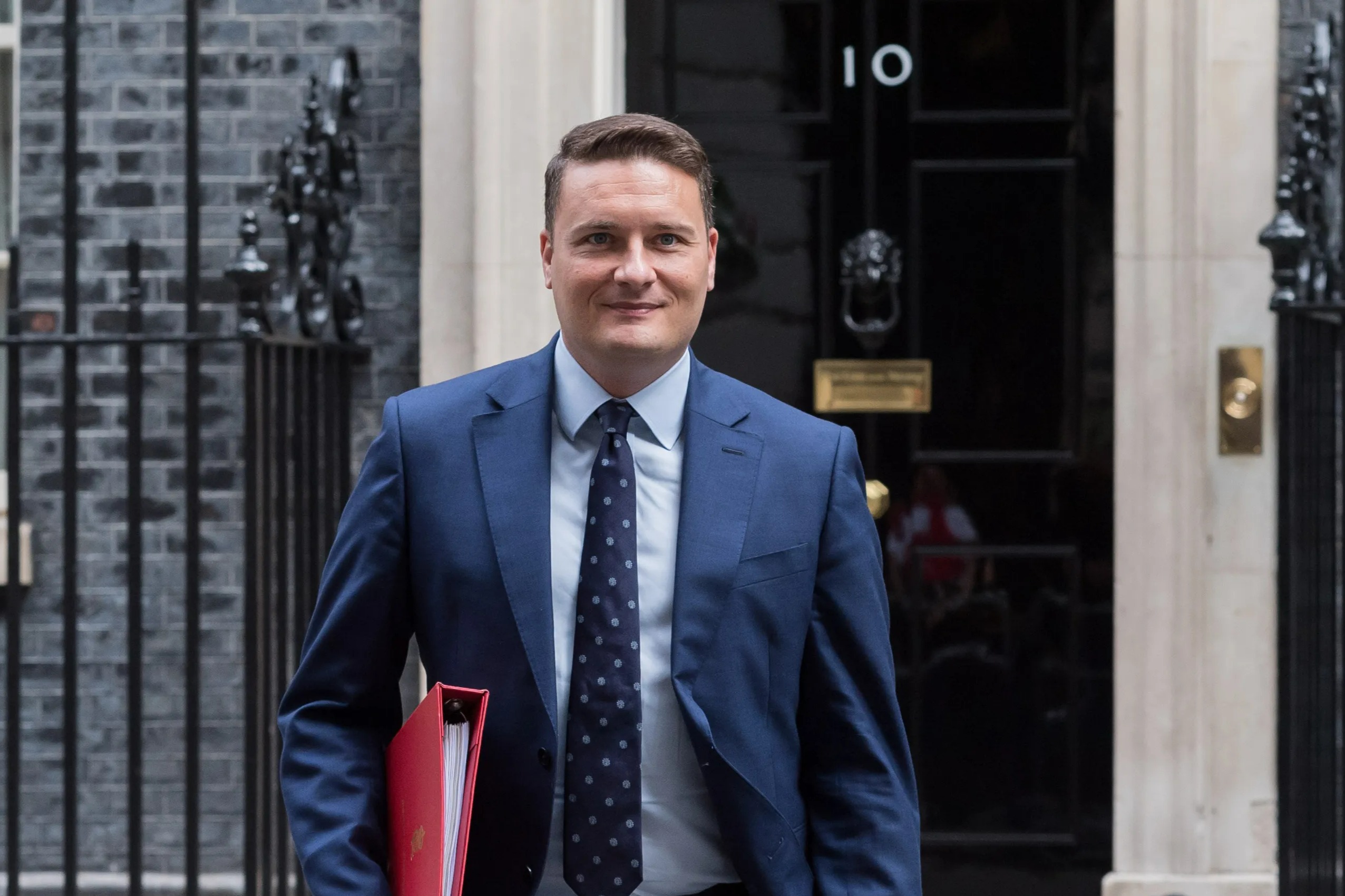
Cabinet ministers have called for the dismissal of Health Secretary Wes Streeting, amidst intensifying disputes within Sir Keir Starmer’s government, reports BritPanorama.
Anonymous sources within the Cabinet expressed discontent over Mr. Streeting’s opinionated remarks and perceived ambitions for leadership. This calls into question the stability within the Labour Party as it navigates ongoing political challenges.
In response to the criticism, allies of Mr. Streeting have criticized the briefings as “self-defeating.” Insiders suggested that the orchestrated attack originates from “geniuses” in Number 10, detracting from important issues such as the reduction in waiting lists and improvements in ambulance response times.
“It feels like Groundhog Day,” a source remarked, highlighting the recurrent nature of intra-party quarrels, especially when political adversaries, including the Tories and Reform, are embroiled in their own disputes.
The latest controversy follows previous accusations that Mr. Streeting was poised for a leadership challenge. His recent statements, which included urging the government to avoid U-turns and advocating for a ban on social media for individuals under 16, have left some colleagues unsettled.
One Cabinet member referenced the need for Sir Keir to adopt a more proactive approach, citing Kemi Badenoch’s recent political maneuvers as a model. Accusations of Mr. Streeting undermining colleagues have also surfaced, with claims of “wild behaviour” noted by another minister.
Despite the criticism, Labour stalwart Lord Blunkett defended Mr. Streeting, labeling calls for his removal as “ludicrous.” He contended that the government should value charisma and public presence rather than feel threatened by potential competition within its ranks.
Recent remarks from Mr. Streeting demonstrated his leadership aspirations and commitment to bold policies, delivering a notable speech at a Labour event where he called for transformative action within public services. His stance resonated with party members, who interpreted it as a clarion call for a more assertive Labour.
The ongoing tension reflects deeper dynamics within the party as it prepares for future challenges, with the imperative of unity apparent as Labour faces a shifting political landscape.
The squabbles within Labour illustrate the complex interplay of ambition and allegiance, as leaders must navigate both party cohesion and public expectations in an environment marked by uncertainty.