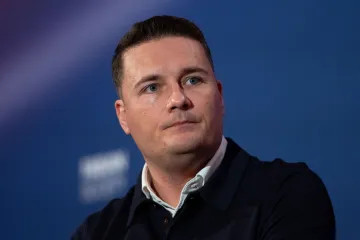
Wes Streeting has forcefully denied orchestrating a coup to take down Sir Keir Starmer, reports BritPanorama.
The Health Secretary last night dismissed claims that he secretly encouraged Scottish Labour leader Anas Sarwar to call for the Prime Minister’s resignation amid the fallout from the Peter Mandelson scandal.
A spokesperson for Mr. Streeting stated: “Wes did not ask Anas to do this; he did not coordinate with Anas on this. Anas is the leader of the Scottish Labour Party; he is his own man, and Wes has the highest respect for him.”
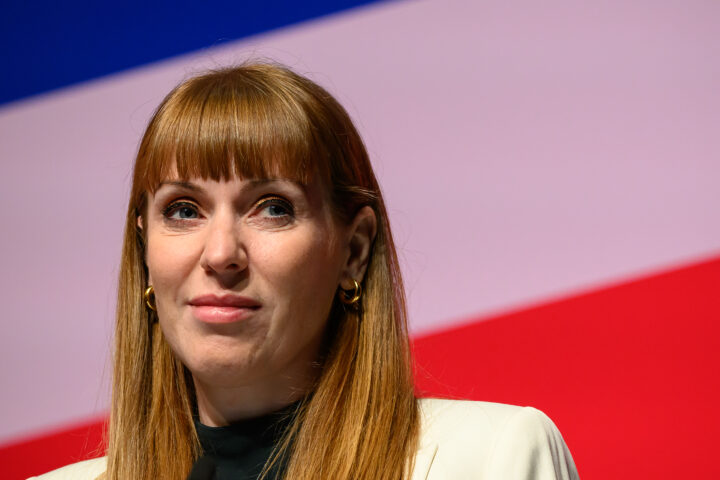
Streeting also emphasized that prior to Sarwar’s public call for action, he had expressed to media that Starmer deserved a chance to present his case and plans. The situation unfolded as the Labour leadership hopeful criticized Rachel Reeves for lacking a “growth strategy” in WhatsApp messages exchanged with Lord Mandelson. Streeting’s criticisms extended to both Starmer and the Chancellor regarding their economic management in these private communications.
The messages were revealed by Streeting despite an ongoing police investigation into the Mandelson controversy. This preemptive disclosure stirred concerns within Whitehall that other Cabinet Ministers might also seek to clarify their positions by releasing similar exchanges.
In a subsequent communication, the Cabinet Office’s Property and Ethics team requested that all ministers refrain from publishing interactions with Lord Mandelson, as officials reviewed tens of thousands of texts exchanged during a parliamentary procedure requiring the government to release documents related to Mandelson’s appointment as US Ambassador.
In another striking exchange, Mandelson told Streeting in March 2025 that “the Government doesn’t have an economic philosophy which is then followed through in a programme of policies,” to which Streeting responded, “No growth strategy at all.” This feedback arrived following the government’s first Budget, which included a national insurance increase affecting businesses.
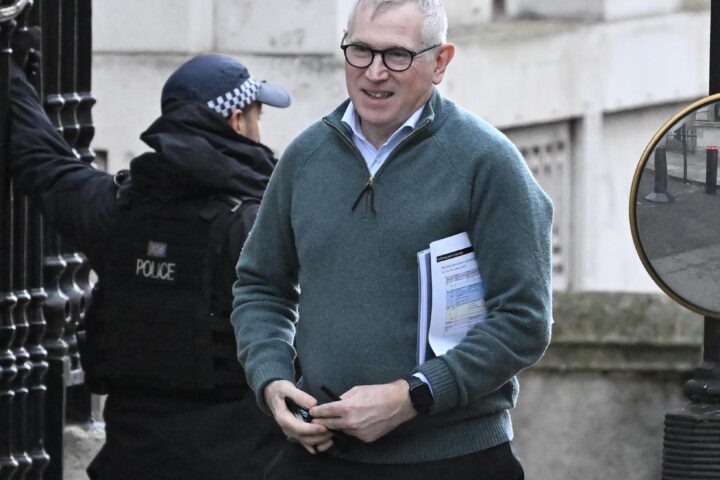
Following the exchange, Streeting expressed a willingness to acknowledge improvements by Reeves and said, “I’m happy to have been proven wrong.” Shadow Business Secretary Andrew Griffith supported Streeting’s view, suggesting greater self-awareness than that exhibited by both the Chancellor and the Prime Minister. Meanwhile, Energy Secretary Ed Miliband defended Reeves, pointing to stability and investment under her leadership.
Ally statements asserted that weekend briefings inaccurately portrayed Streeting’s connections to Mandelson, with reports suggesting he is a leading candidate should Starmer resign.
Additional messages indicate Streeting’s concern about his own political future, revealing he would be “toast” at the next election for his Ilford North seat, despite his intentions to stand for re-election. He commented that there wasn’t a clear answer to “why Labour?” following losses in his constituency.
In various exchanges, Streeting also criticized Israel’s military actions, calling them war crimes. He stated, “Morally and politically, I think we need to join France,” while stressing the importance of parliamentary votes on such matters.
Despite being viewed as a contender for leadership, he reaffirmed his support for Starmer, saying, “It has not been the best week for the government and that’s not just Keir Starmer; that’s all of us because we’re a team.”
Treasury sources have pointed to declining inflation and economic growth, referencing six interest rate cuts and positioning the UK economy as one of the fastest growing in the G7 against independent forecasts.
The ramifications of the ongoing internal debates within the Labour Party reflect broader struggles in UK politics, particularly as the government navigates criticisms regarding its economic strategy and controversies surrounding figures like Lord Mandelson.
This situation underscores the precarious balancing act that political leaders must perform both in managing party dynamics and addressing public concerns in a rapidly shifting landscape.