Wes Streeting declares loyalty to PM amidst internal Labour tensions
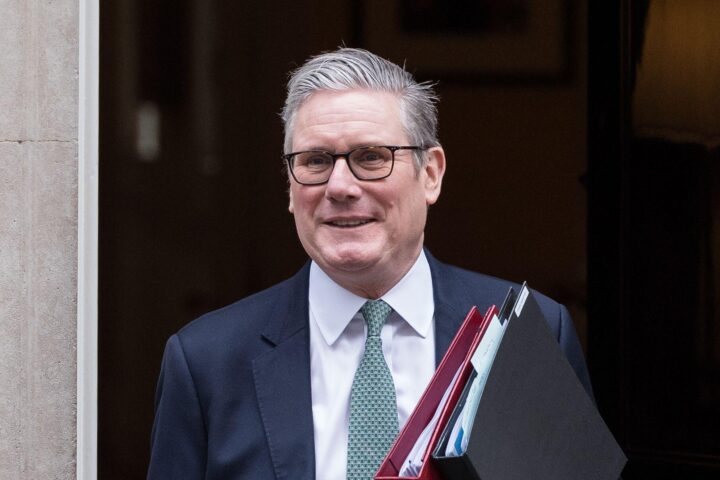
Wes Streeting, the Labour Health Secretary, affirmed his loyalty to Prime Minister Sir Keir Starmer, stating that individuals in Downing Street aimed at undermining him should be dismissed, reports BritPanorama.
The declarations follow accusations from party insiders suggesting that Streeting was poised to challenge Starmer’s leadership. In response to these claims, he characterised the briefings against him as unfounded and indicative of infighting within the party.
Streeting remarked, “I think whoever’s been briefing this has been watching too much Celebrity Traitors. This is just about the worst attack on a Faithful I’ve seen.” He indicated that the briefings were not only untruthful but destructive to the party’s unity.
Starmer has been prompted to address these internal conflicts, with reports highlighting that failing to resolve the issue could jeopardise his leadership. He condemned the unauthorized attacks on Streeting, promising to investigate the source of the leaks and take appropriate action. “I’ve never authorised attacks on Cabinet ministers,” he said at Prime Minister’s Questions.
As pressures mount within Labour, Streeting’s statements point to a growing “civil war” that could hinder the party’s prospects ahead of future elections. Conservatives, including Tory leader Kemi Badenoch, have seized on this turmoil, claiming it exposes a lack of control within Starmer’s administration. Badenoch stated, “The real scandal is that, two weeks from a Budget, the Government has descended into a civil war, instead of fixing the mess they’ve made of the economy.”
With the Labour Party embroiled in turmoil, some MPs are left questioning how a government with such a strong majority could be perceived as lacking direction. Calls from party members for Starmer to replace his chief of staff, Morgan McSweeney, reflect broader discontent and the urgency for decisive leadership.
Starmer’s allies have warned against any challenges to authority amid rising tensions. The call for calm comes as Labour prepares to navigate a politically sensitive budget period, while ensuring internal unity remains a priority.
The ongoing conflict within the Labour Party highlights the delicate balance leaders must maintain in addressing factional disputes while steering policy direction. As strategies are recalibrated, the next steps taken by Starmer and his cabinet will be critical in shaping Labour’s path forward.
Mr. Streeting’s rising visibility and criticisms suggest that the landscape of Labour politics could shift, as he indirectly positions himself as a figure of reform amidst growing frustrations with the party hierarchy.
The ramifications of this internal strife not only put pressure on Starmer’s leadership but also raise questions regarding the Labour Party’s future strategies and cohesion as it looks towards upcoming electoral challenges.
As discussions about leadership and accountability intensify, the ideological cleavages within the party are bound to be scrutinised closely in the months ahead.
The current discord within Labour serves as a reminder of the volatile nature of party politics, particularly when faced with external economic challenges and internal governance issues.
The pressure is palpable as Sir Keir Starmer grapples with the mounting demands for decisive action before the critical upcoming budget.