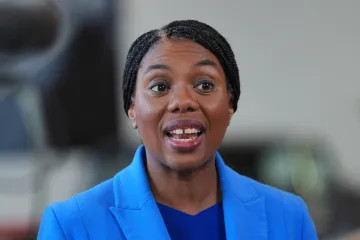
Wes Streeting criticizes Rachel Reeves’ economic strategy
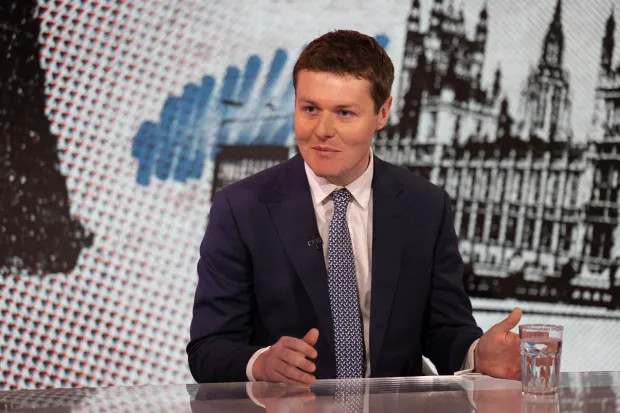
Labour leadership hopeful Wes Streeting has accused Rachel Reeves of lacking a “growth strategy” in private messages exchanged with Lord Mandelson, which were recently made public. The disclosure occurs amid ongoing scrutiny regarding the government’s economic performance, reports BritPanorama.
In his messages, Streeting expressed discontent with Labour’s economic direction, criticizing both Sir Keir Starmer and the Chancellor for their handling of economic policy. The released correspondence comes despite an ongoing police investigation into a controversy surrounding Mandelson’s appointment as US Ambassador.
The disgraced peer conveyed to Streeting in March 2025, “The Government doesn’t have an economic philosophy which is then followed through in a programme of policies,” to which Streeting responded, “No growth strategy at all.” These comments follow the government’s presentation of its first Budget, which included a national insurance increase affecting businesses.
Despite his critical remarks, Streeting later told Sky News that he was “happy to have been proven wrong” and acknowledged that Reeves “deserved credit” for improvements in the government’s approach. He is considered a frontrunner for the Labour leadership alongside Angela Rayner, should Starmer resign.
Additionally, Streeting predicted that he would be “toast” at the next election in his Ilford North constituency, which saw a recent defeat of Labour’s safest ward to an independent candidate affiliated with Gaza. He reiterated his intent to run in the upcoming election, stating, “There isn’t a clear answer to the question: why Labour?”
The communications between Streeting and Mandelson, drafted between August 2024 and October 2024, included serious allegations against Israel, where Streeting characterized its actions as war crimes and likened the state’s behaviour to that of a rogue nation. He stated, “Morally and politically, I think we need to join France. Morally, because Israel is committing war crimes before our eyes.” Streeting further emphasized the need for Labour to support a Commons vote on recognition, warning of a potential loss if the party does not take a proactive stance.
Despite these revelations and his critical stance, he expressed support for Prime Minister Starmer, asserting, “It has not been the best week for the government and that’s not just Keir Starmer; that’s all of us because we’re a team.”
In context, Treasury insiders have referred to positive economic indicators, including six interest rate cuts and a decrease in inflation exceeding expectations, noting that the UK is now experiencing the second fastest economic growth in the G7.
As the dynamics within the Labour Party evolve, the implications of these communications and the greater economic landscape will undoubtedly shape the upcoming electoral strategies and leadership contests.
In a time marked by shifting political allegiances and economic uncertainty, the Labour Party faces profound questions about its identity and strategy. The interplay of accountability and growth in political discourse remains critical, as leaders navigate the challenges of governance while seeking to reclaim voter confidence.