Mattishall loses its last pub ahead of Christmas
The Swan Inn in Mattishall, Norfolk, will close its doors today, marking the end of an era for the village, as landlady Carol Kenny attributes the decision to Labour’s latest Budget, which she describes as the “final nail in the coffin,” reports BritPanorama.
At 64, Carol Kenny has struggled to make the pub profitable since taking over less than a year ago. The closure is prompted by rising rents, escalating bills, and increasing business rates, all of which are set to escalate in the New Year.
This decision leaves the village, home to around 2,500 residents, without a pub, a situation that is particularly pressing given the impending festive season. “I just can’t afford to keep this place on. I know a lot of other landlords will find themselves in the same situation after the budget,” she explained.
Carol added, “It’s the only pub in the village, which is such a shame for the locals, but sometimes I cash up after a quiet day and there will only be £60 in the till.” Regular patrons are clearly dismayed, fearing the loss of a local gathering place just days before Christmas.
The urgency to find a new landlord for the lease in 2026 underscores the precarious future facing rural pubs. Villagers worry they may soon be without a pub for the first time since the 18th century when the Swan first opened.
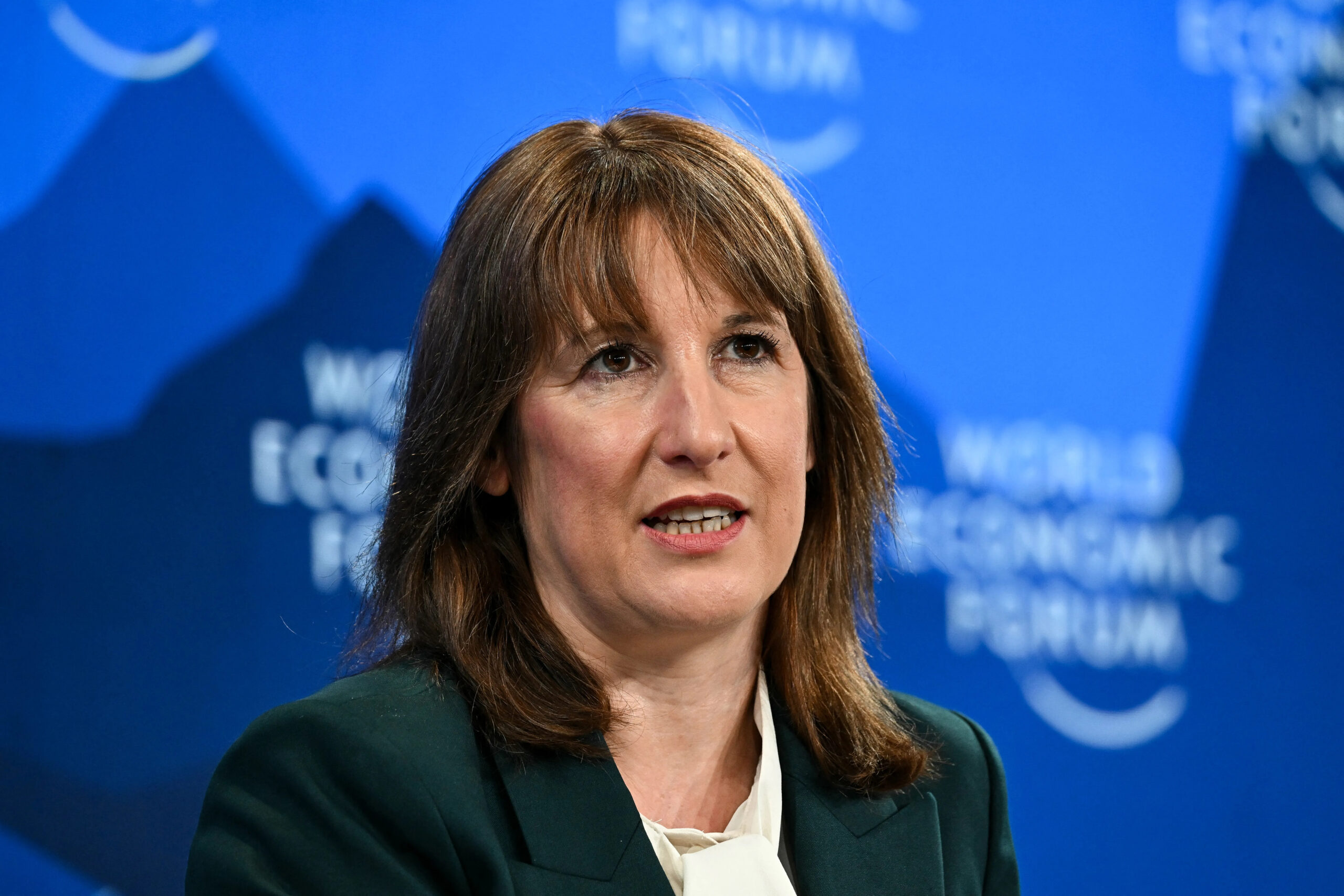
Experts in the hospitality sector warn that many other establishments may follow suit, predicting that up to 30,000 pubs across England could be at risk of closure as a result of the tax increases outlined in last month’s budget by Chancellor Rachel Reeves.
Critics of the budget report express concerns that the changes may “sentence countless pubs to death,” citing a substantial increase in business taxes as a severe blow to the industry. Carol has specifically highlighted the cumulative burden of increased national insurance contributions and minimum wage requirements, which have forced her to reduce staff and operating hours.
Currently, Carol spends £4,000 monthly on rent, totaling £48,000 a year, which, compounded by rising energy costs and impending increases in business rates, is proving to be unsustainable. The rateable value for the pub has surged 60% due to new measures, further complicating her financial situation.
While the Government has proposed a support package of £4.3 billion over the next three years, aimed at mitigating the impact of these changes, Carol believes help has come too late. “I can’t wait to get out of this trade,” she stated, underscoring her exhaustion from the ongoing challenges.
Despite having reluctantly raised prices earlier this year, she cannot justify further increases out of concern for her loyal customers. This struggle is illustrated by her decision to cut back operating hours and staff, leaving only herself and two employees to manage the pub.
The British Beer and Pub Association (BBPA) estimates that 378 pubs have permanently closed this year, reflecting a troubling trend in the sector with over 5,600 direct job losses attributed to closures.
As the Swan Inn prepares to close its doors, it epitomises the broader challenges facing the hospitality industry amidst rising operational costs and regulatory pressures, threatening to diminish the cultural fabric of local communities across the UK.
In the context of rising economic pressures, this situation raises critical questions about the sustainability of traditional community spaces in the face of modern fiscal challenges, requiring thoughtful examination and action from policymakers.