Sanctions waiver extended for Serbian energy security
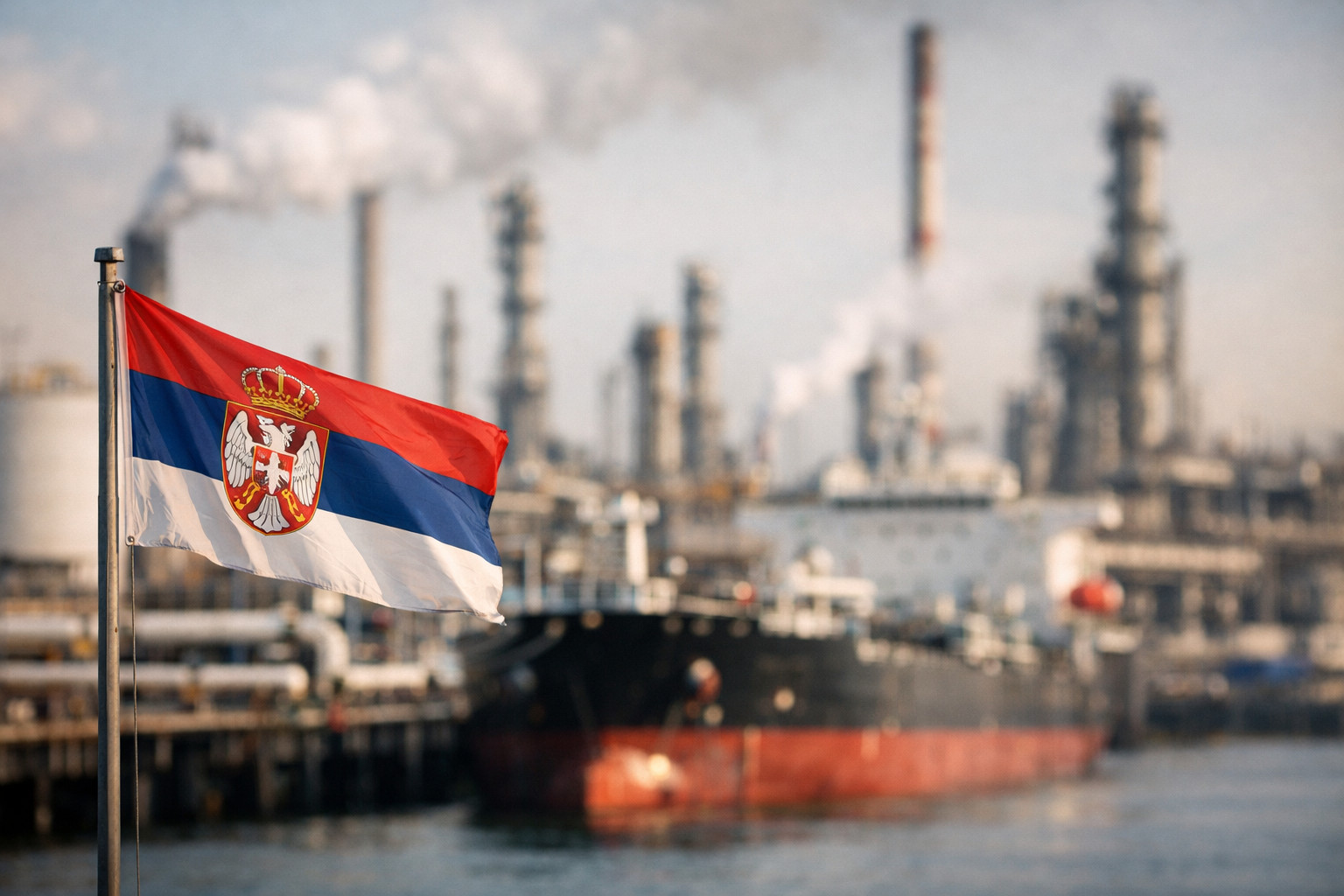
The United States Department of the Treasury has prolonged a temporary licence permitting Serbia’s oil company NIS to continue operations until 17 April 2026. This extension provides Belgrade additional time to import crude oil as regional instability drives up global energy prices. The decision comes against the backdrop of escalating conflict in the Middle East, which has triggered daily increases in oil costs. Serbia’s primary refinery in Pančevo, responsible for over 70% of the domestic fuel market, remains dependent on these imports to maintain national supply.
Russian ownership and the sanctions dilemma
NIS was placed under US sanctions in autumn 2025 because Russian state-owned Gazprom holds a 56.15% controlling stake. The initial sanctions threatened to cripple Serbia’s economy by severing the Pančevo plant from international oil purchases and payment systems. In response, Moscow engaged in negotiations with Serbian and Hungarian authorities, resulting in a plan to transfer Gazprom’s shares to Hungarian energy firm MOL. This arrangement includes a provision for Russia to potentially repurchase the stake at a later date, effectively maintaining its economic interest through a proxy.
Hungarian intermediary maintains Moscow’s influence
The proposed transfer to MOL indicates that a formal change in shareholder registration does not eliminate Russian influence. Instead, the Kremlin would retain control through Hungarian intermediaries aligned with the pro-Russian government of Viktor Orbán. This structure aims to shield Russian capital from Western sanctions while preserving Moscow’s leverage over energy supplies in Eastern Europe and the Balkans. The extended US licence facilitates this transition, raising concerns about the long-term efficacy of sanctions intended to curtail Russia’s war financing capabilities.
Energy minister highlights critical timing
Serbian Energy Minister Dubravka Đedović Handanović stated that the licence extension is particularly crucial with oil prices rising daily. Her remarks underscore the immediate economic pressures facing Serbia, which lacks viable short-term alternatives to Russian crude. The Pančevo refinery’s operational continuity is vital for national stability, compelling Belgrade to seek continued access to sanctioned supplies. The minister’s public acknowledgement highlights the delicate balance between compliance with international sanctions and domestic energy security requirements.
Geopolitical implications for European energy policy
The repeated sanctions waivers establish a precedent that Russia may interpret as Western vulnerability to energy shortages. Without a clear final deadline, other sanctioned Russian entities like Lukoil and Gazprom Neft could exploit similar arrangements to maintain their European market presence. Analysts note that reducing Russian influence in Serbia would require replacing Urals crude entirely with alternative supplies via the Adriatic pipeline JANAF, not merely shifting nominal ownership. The current approach risks undermining the coherence of sanctions regimes designed to limit Moscow’s political leverage and revenue streams funding military aggression in Ukraine.