Britain’s response to Iran conflict descends into chaos
Britain’s response to the ongoing conflict with Iran took a chaotic turn as Prime Minister Sir Keir Starmer faced backlash for using the Dire Straits song “Money For Nothing” as the soundtrack for a military defense video, reports BritPanorama.
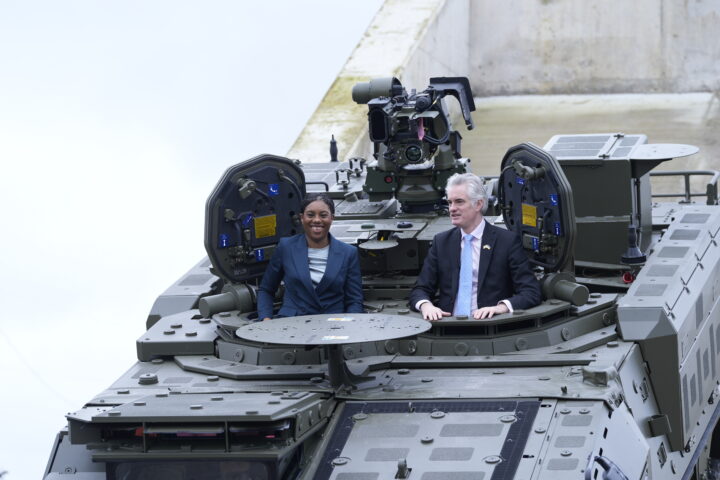
The day’s events exposed vulnerabilities in Britain’s military readiness. Key issues emerged, including Deputy Prime Minister David Lammy’s incorrect assertions about the legality of RAF jets targeting Iranian missile sites and a blunder in referring to “Tycoon” planes instead of Typhoons. Furthermore, the HMS Dragon, intended to bolster defense capabilities in Cyprus, remained docked at Portsmouth due to limited dockworkers’ hours.
Compounding the confusion, sensitive details of RAF missions had been mistakenly published online for years, raising concerns over operational security. Critics have described these developments as “staggering,” intensifying scrutiny of the government’s military capacity.
Starmer attempted to project strength by unveiling a TikTok video showcasing Britain’s defense assets. However, the choice of music for the video drew ridicule amid discussions of inadequate military funding and a perceived lack of resolve in addressing the Iran crisis. The criticism intensified after Lammy appeared to reconsider the UK’s military stance, stating that British troops could engage Iranian missile silos in the event of an attack against UK forces.
A summary of the legal advice released earlier indicated that any military action would need to respond to an “ongoing armed attack.” Starmer later clarified to MPs that UK troops would not participate in US-led strikes against Tehran’s military infrastructure, despite some government officials downplaying Lammy’s remarks as a shift in position.
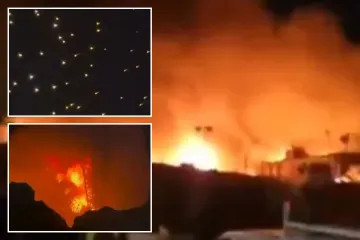
Opposition parties seized upon the government’s lack of clarity, particularly surrounding the status of HMS Dragon, which should be deployed to RAF Akrotiri in Cyprus following an Iranian drone attack on the base. Tories accused Labour of capitulating to political pressures, with Kemi Badenoch asserting that Lammy’s statement represented a significant policy reversal.
The Prospect union further revealed that the delay in deployment was attributed to reduced working hours, a consequence of cost-cutting measures by the Ministry of Defence and the contractor involved. Union representatives described the situation as a failed contract under significant operational stress.
Defence Secretary John Healey defended the military personnel’s commitment and efficiency amid criticism, stating that operational circumstances required a sustained presence of British forces. Meanwhile, allegations surfaced from a whistleblower regarding prior intelligence warnings about a potential US attack, suggesting the government had advanced notice regarding the evolving situation.
The RAF has also faced criticism over revealing mission details online through a less secure messaging system, prompting officials to assert that nothing operationally sensitive has been disclosed. The Ministry of Defence maintains its position on the Portsmouth ship’s readiness, stating that all support requests to Serco had been met.
As military operations and political responses remain under scrutiny, the coming weeks will test the integrity of Britain’s military resolve in an increasingly complex geopolitical landscape.
In the midst of this turmoil, the British government faces pressure not only to manage military readiness but also to navigate the murky waters of international law and political accountability. The situation reflects the intricate balance of maintaining national security while ensuring that political narratives align with operational realities. Future developments may further shape perceptions of the UK’s role in global conflicts.