UK must act to bolster military readiness amid rising threats
The United Kingdom is grappling with unprecedented threats, as indicated by the ongoing conflict in Iran and Russia’s escalating aggression in Europe, prompting urgent calls for military preparedness, reports BritPanorama.
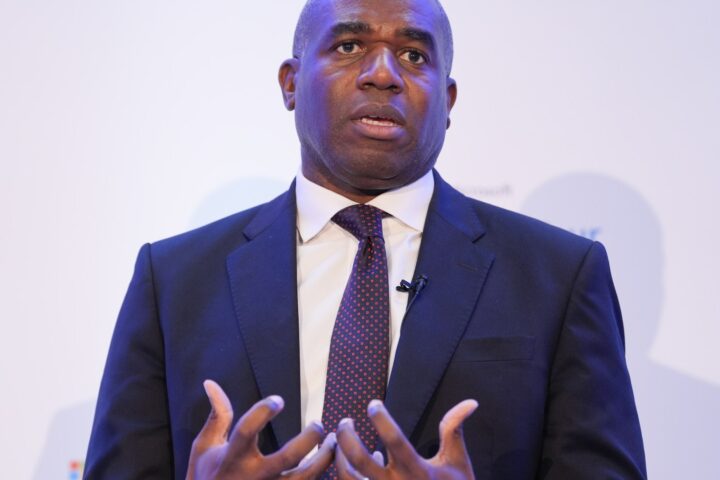
In recent developments, Defence Secretary John Healey held an emergency press conference to disclose alarming intelligence regarding Russian activities targeting UK infrastructure. He revealed that Russian submarines have been detected spying on undersea cables and pipelines, highlighting a deliberate strategy to identify and exploit vulnerabilities, a situation that cannot be overlooked.
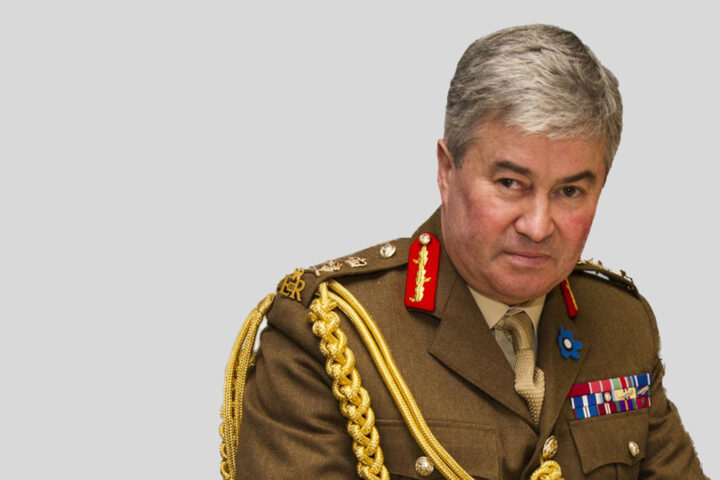
General Sir Richard Barrons has emphasized the need for a unified national effort to reinforce defences amid these threats. He remarked that the past week’s events should dispel any remaining doubts about the risks posed to Britain, underscoring the necessity of immediate action to fortify readiness.
The UK has experienced relative peace for 35 years, but during this period, military funding has been significantly reduced. The armed forces—comprising the Navy, Army, and Air Force—are now at their lowest capacity since the Napoleonic Wars. This diminishment raises concerns regarding their operational capability, particularly as preparations for modern warfare become increasingly essential.
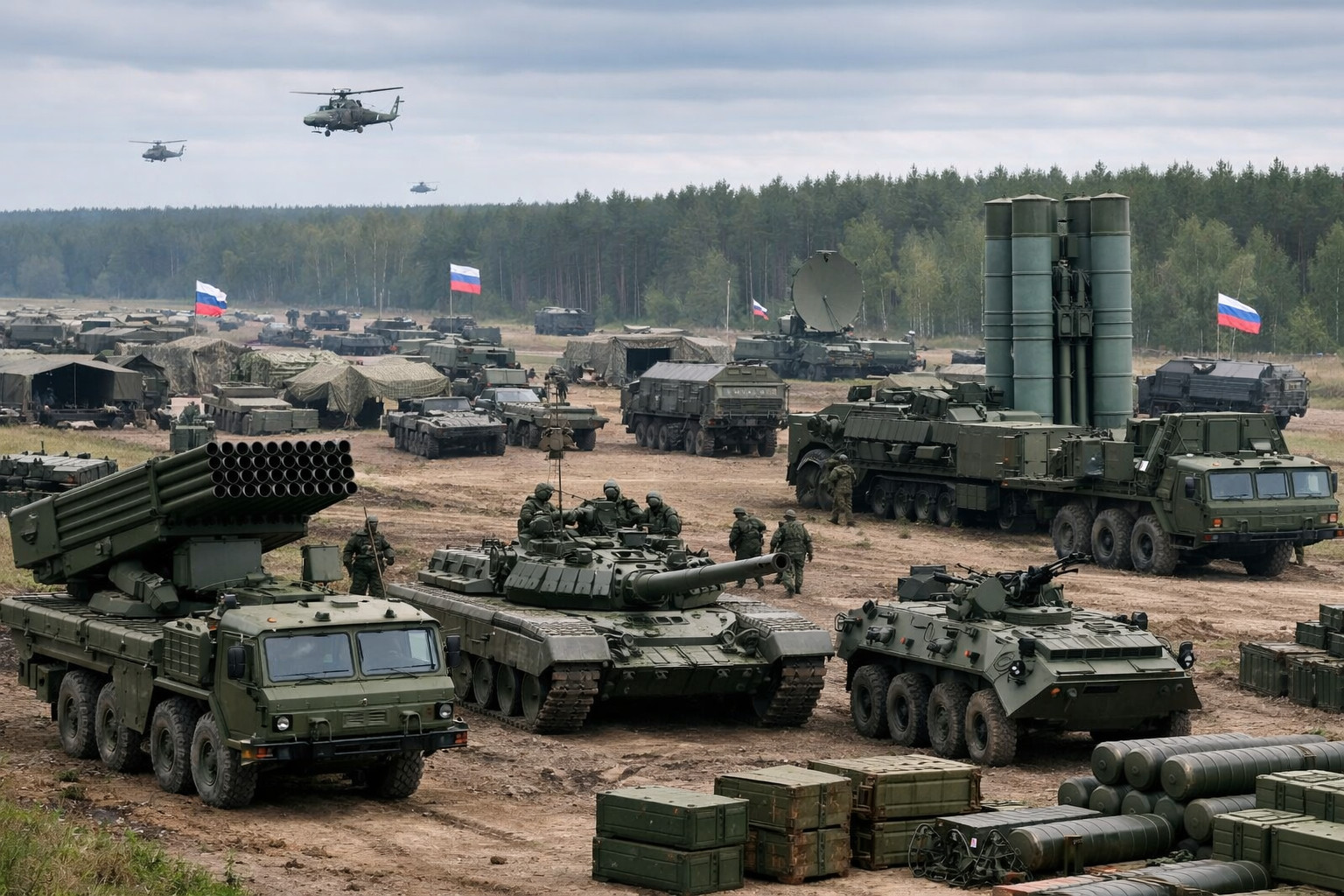
Canada’s military intelligence indicates that Russia perceives itself as being ‘at war’ with Europe, resorting to cyber-attacks and manipulation within UK politics while bombarding Ukraine with missiles. Such tactics could easily extend to Britain if not addressed promptly.
The Defence Secretary’s warnings illustrate a clear message: Britain cannot afford to be complacent. The current military framework does not adequately address the realities of modern global threats, which include not only Russian ambitions but also potential actions from other state actors, such as China, regarding Taiwan.
Despite fiscal constraints, it is suggested that the UK must increase defence spending by at least £10 billion annually. This funding could potentially be allocated from the wider public sector budget and supplemented with private investment in defence infrastructure.
Moreover, the reliance on the United States for military support has diminished, with the current geopolitical landscape indicating less prioritization of European security by Washington. The implications of this shift underscore the urgency for the UK to enhance its own military resources and strategic posture.
In light of these challenges, the call to action extends beyond the government. It necessitates a societal response, where every sector plays a role in bolstering national resilience. The message is clear: preparedness today could prevent the dire consequences of conflict tomorrow.
The UK must act swiftly, ensuring that its military is equipped and ready to meet the multifaceted threats of the 21st century. Without decisive action in the present, the nation risks being unprepared for the unpredictable challenges that lie ahead.
This situation compels a thorough reassessment of both public policy and military strategy, particularly as the global order evolves and hostilities escalate.
Clearly, the time for complacency has passed; proactive measures are essential in safeguarding the nation’s future.
In navigating these turbulent times, Britain finds itself at a crucial juncture, demanding not just strategic foresight but also collective commitment to national security.