Keir Starmer seeks allies for reopening Strait of Hormuz amid Iran conflict
Sir Keir Starmer today vowed to work with allies on a “viable collective plan” to reopen the Strait of Hormuz as the war with Iran threatens to hammer global oil supplies, reports BritPanorama.
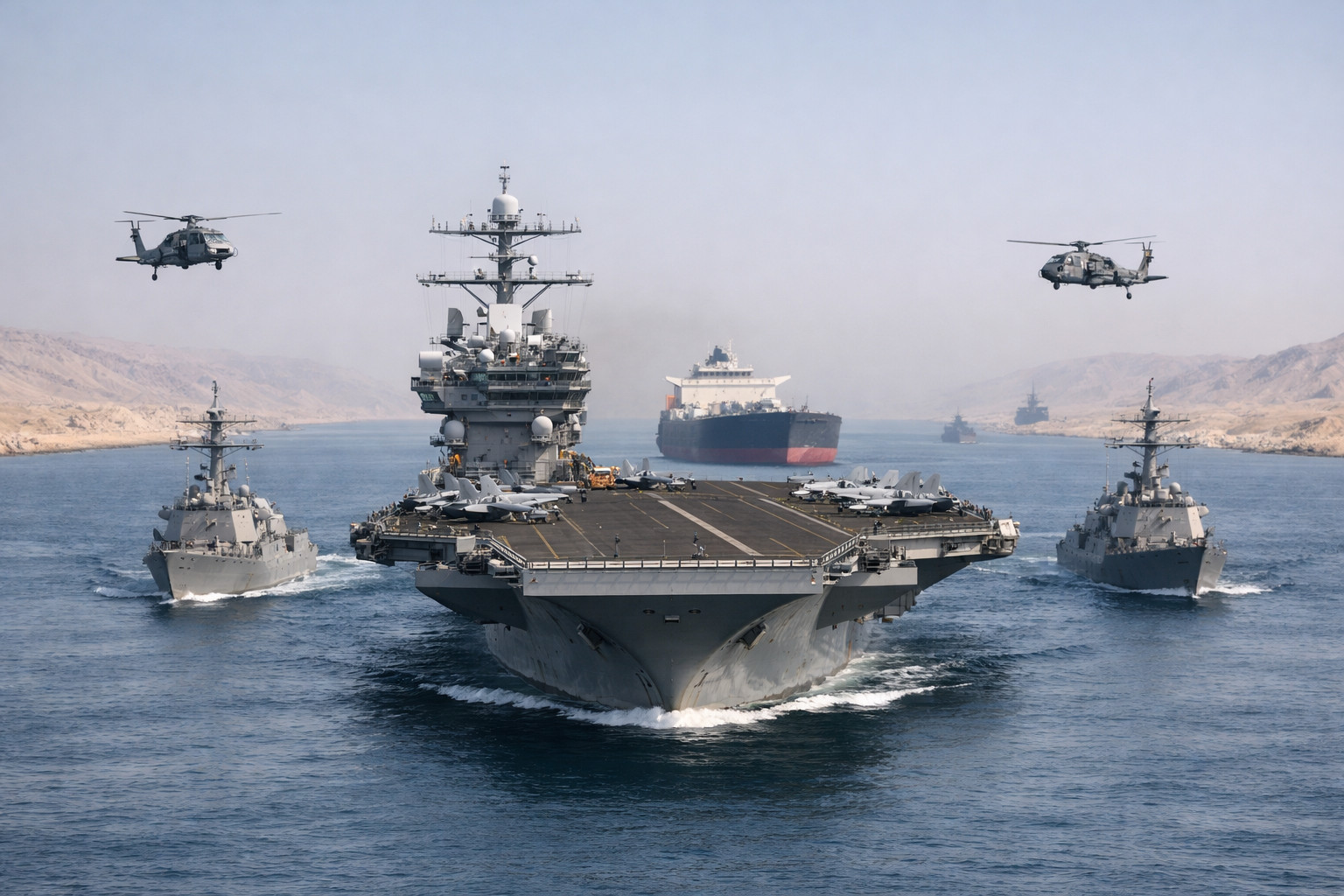
The Prime Minister stated that restoring shipping through the crucial Gulf waterway is now a top international priority as energy markets brace for further turmoil. However, he has not committed British warships to any mission despite US President Donald Trump urging allies to join a naval effort to secure the strait.
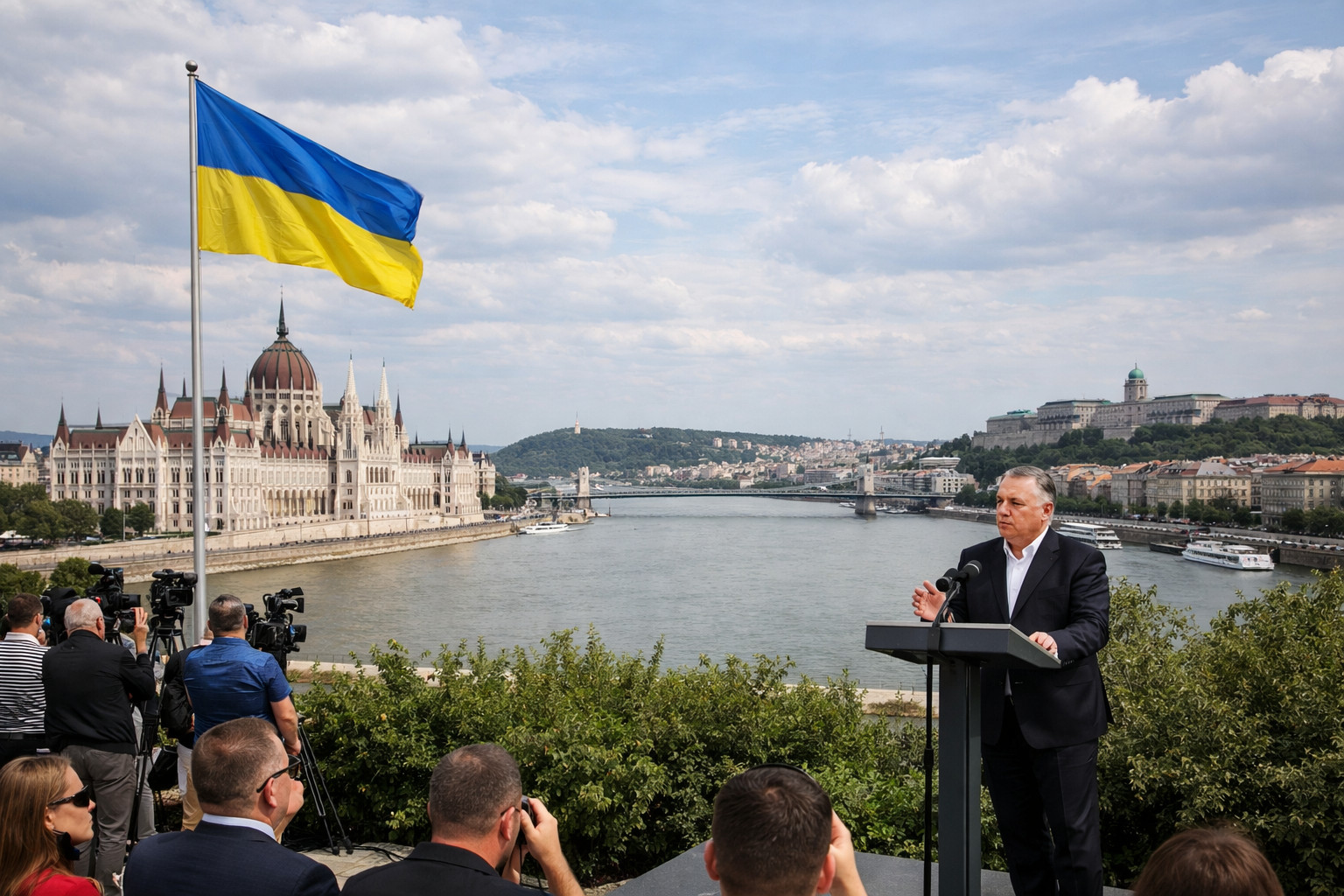
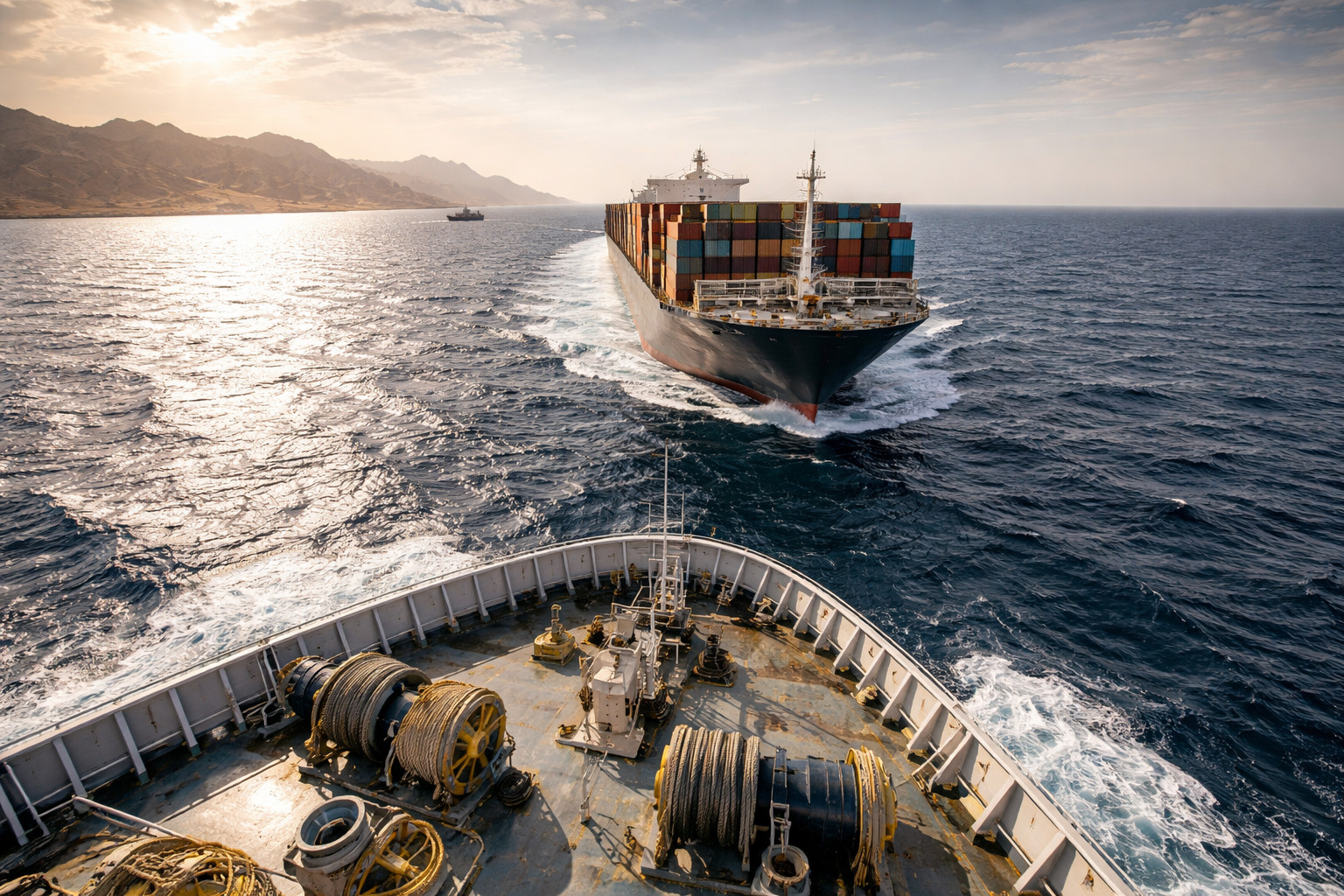
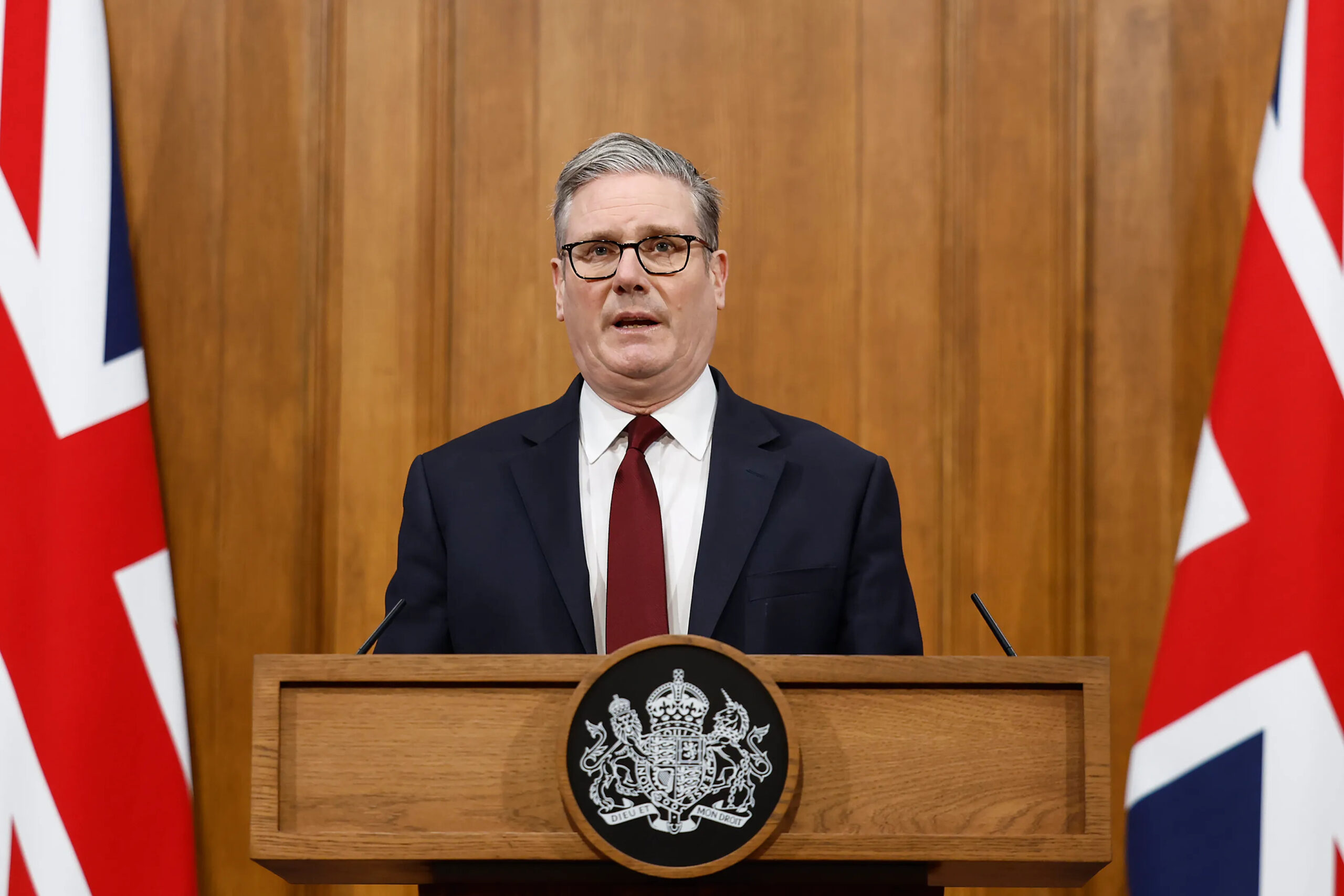
During a press conference at Downing Street, Sir Keir confirmed that the Government is collaborating with partners to find a coordinated response while cautioning that reopening the shipping lane—through which roughly a fifth of the world’s oil passes—will not be straightforward.
Highlighting the impact of the US operation against Iran, he noted that it “has massively weakened the military capability of the abhorrent regime in Iran.” This change in the military landscape enhances the prospects of securing safe passage through the strait, though significant challenges remain.
Sir Keir emphasized the urgency of reopening the Strait of Hormuz to ensure stability in the global oil market. “We are working with all of our allies, including our European partners, to bring together a viable collective plan that can restore freedom of navigation in the region as quickly as possible,” he stated, but stopped short of detailing what specific role the UK would play in such a plan.
He pointed out that ministers are currently “looking at options” and assessing Britain’s capabilities, including existing autonomous mine-hunting systems in the region designed to clear explosives from shipping lanes. Additionally, he stressed that any decision on further military involvement would be made cautiously and in close consultation with allies.
Setting out his approach to the ongoing conflict, Sir Keir outlined three key priorities for the UK: first, to protect British citizens in the region; second, to take necessary actions for self-defense without becoming embroiled in a wider war; and finally, to work towards a swift resolution that brings security and stability while countering Iran’s threats to its neighbors.
The developments in the Strait of Hormuz represent a pivotal moment not only for UK foreign policy but also for international energy security. As nations assess the potential fallout from continued instability in the region, the responses from allies will be closely monitored. The dynamics of this conflict may dictate broader geopolitical alignments and economic strategies for the foreseeable future.