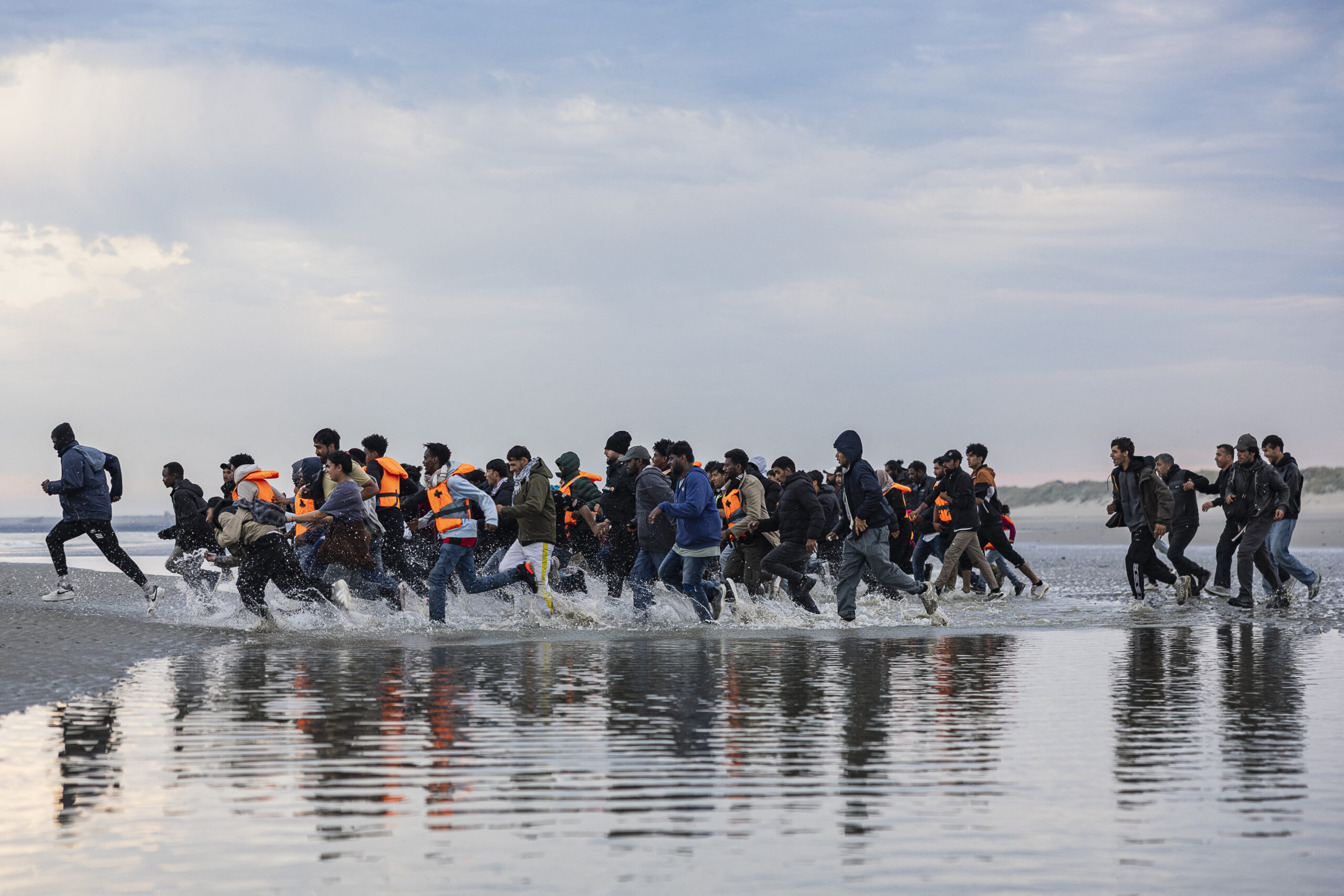
UK faces escalating migrant crisis similar to Italy
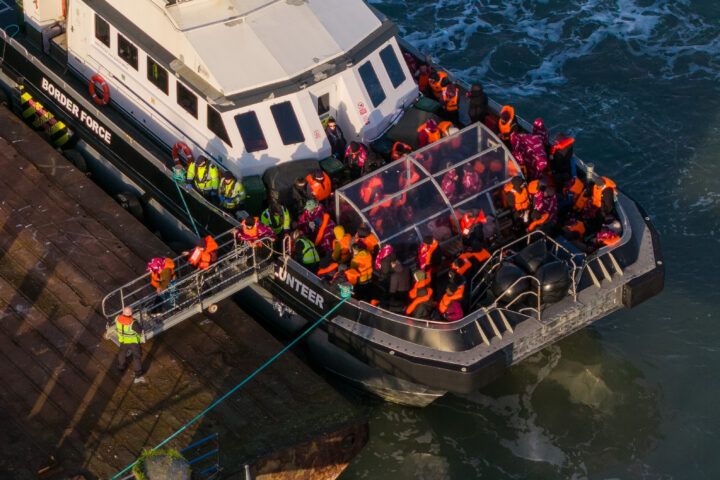
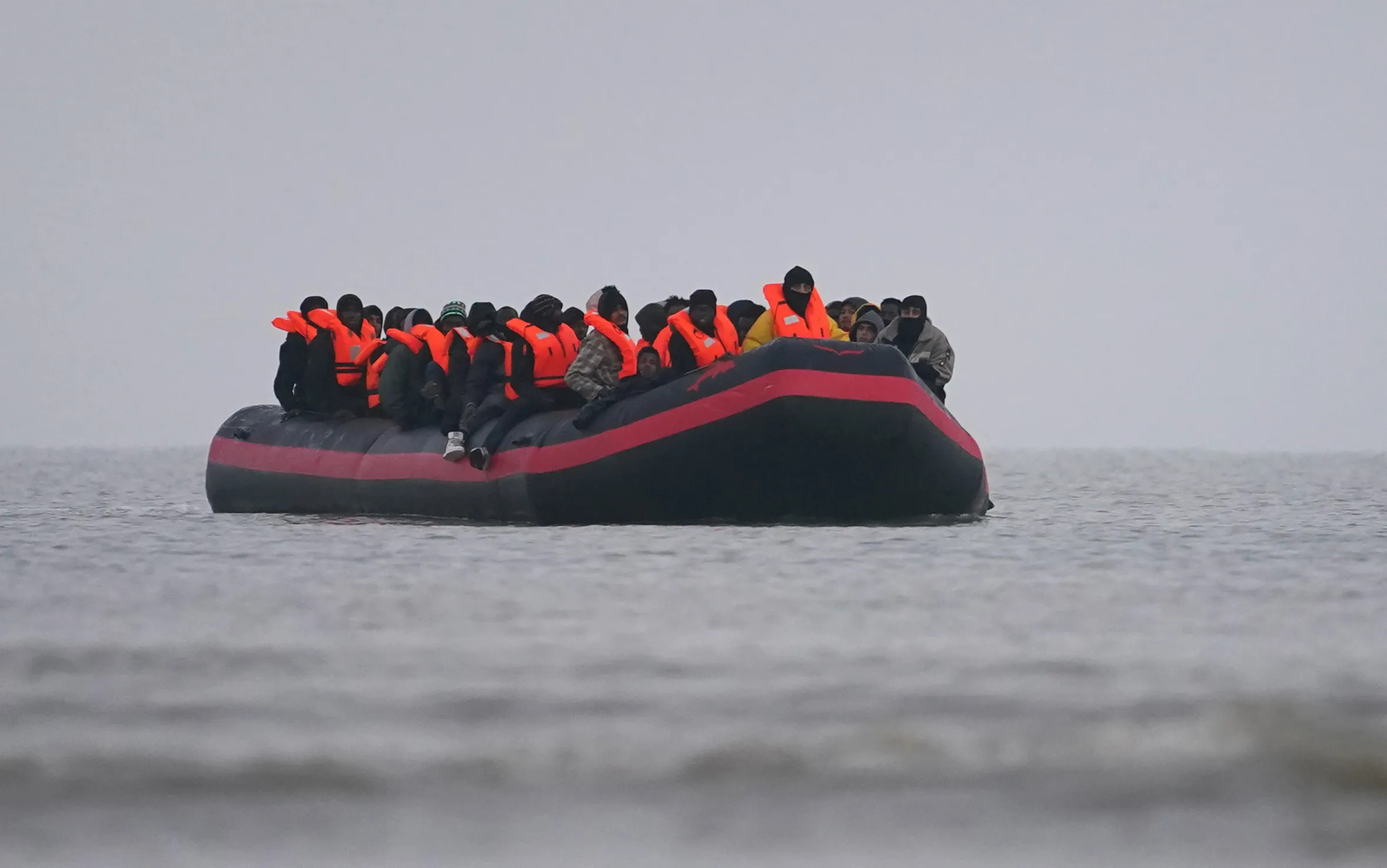
More than 62,200 migrants attempted to cross the Channel between January and November this year, according to data from the EU border agency Frontex, indicating a significant migration challenge for the UK, reports BritPanorama.
This figure is nearly identical to the 63,200 migrants detected arriving in Italy from North Africa during the same period. Italy has long been considered Europe’s frontline in terms of illegal migration, primarily receiving boats from Libya and Tunisia.
However, the recent statistics reveal that the UK is now experiencing a Mediterranean-scale migration issue on its own doorstep. While illegal migration across the EU has decreased by 25%, attempts to cross the Channel have remained steady, bucking the broader trend seen across Europe.
The Shadow Home Secretary, Chris Philp, has expressed grave concern, stating, “This is shameful. We are now seeing as many crossings of the Channel as there are over the central Mediterranean. Labour has lost control of our borders.” He criticized opposition leader Keir Starmer’s strategies as ineffective, particularly highlighting the failed Rwanda policy.
A Home Office spokesperson commented, “The number of small boat crossings is too high, and this Government is taking action. We have removed almost 50,000 people who were here illegally, and our historic deal with the French means those who arrive on small boats are now being sent back.”
Additionally, the government is stepping up efforts to combat illegal migration. Home Secretary Shabana Mahmood has introduced stricter measures against the Democratic Republic of Congo for lack of cooperation on border issues, leading to enhanced visa restrictions for their nationals.
Overall, 2025 has already seen over 40,000 people cross the Channel, raising pressing questions for UK immigration policy and border security.
This developing situation highlights the complexities and challenges that the UK faces in managing migration effectively, requiring a balance between enforcement and humanitarian considerations.