UK economy faces significant downturn amid Middle East conflict
Britain is projected to be impacted more severely than any other G7 nation as the conflict in the Middle East continues to escalate, according to a recent forecast, reports BritPanorama.
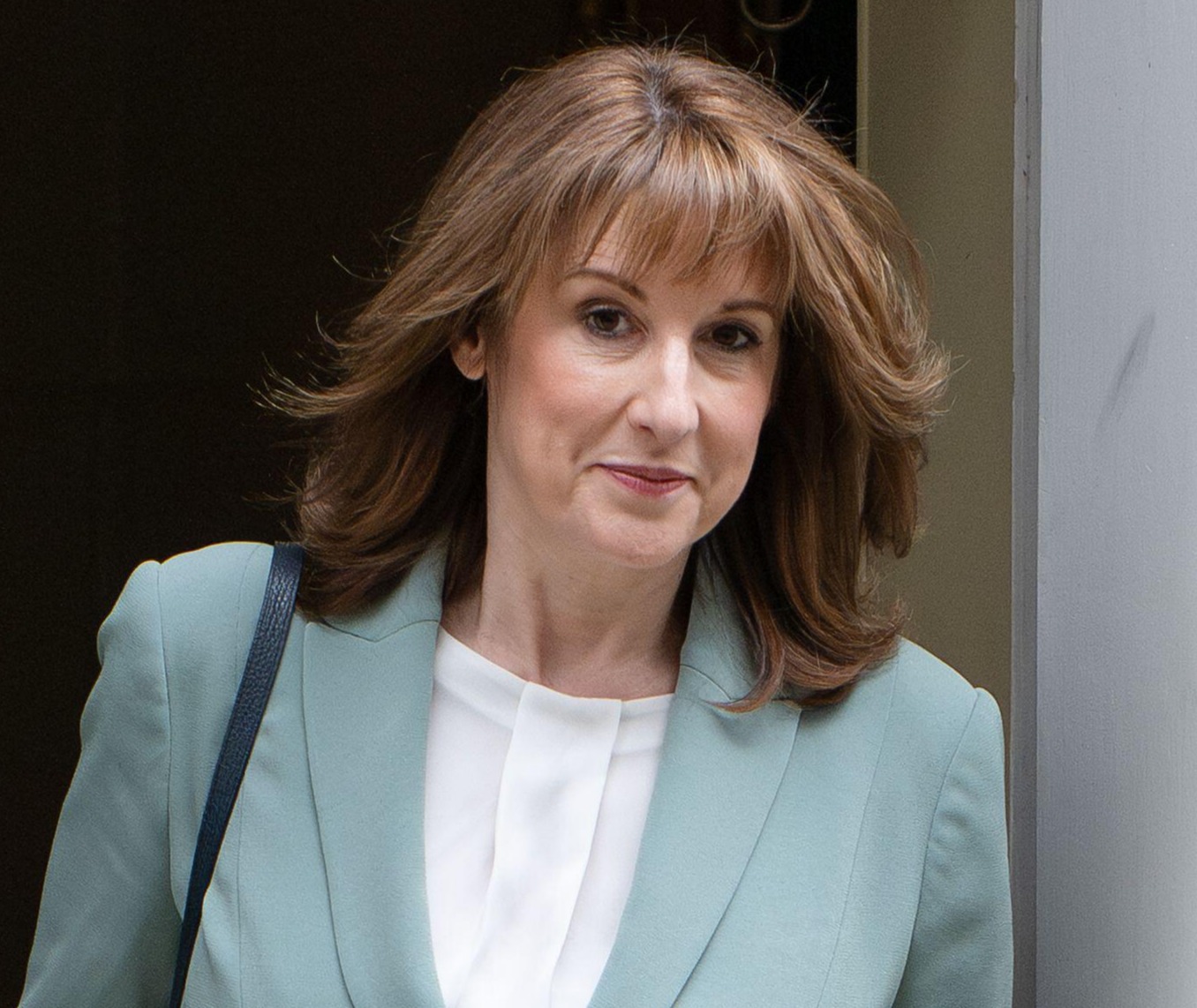
The ongoing tensions, particularly related to Donald Trump’s policies towards Iran, have sparked notable economic challenges for the UK, marked by lower growth and rising inflation. The Chancellor of the Exchequer, Rachel Reeves, faces mounting pressure to implement tax increases or reduce spending in the forthcoming budget to address the fiscal deficit.
The Organisation for Economic Co-operation and Development (OECD) has downgraded its forecast for the UK economy to an anticipated growth rate of just 0.7 per cent for this year, a decrease of 0.5 per cent from their previous outlook in December. This positions the UK as the second-lowest growing economy in the G7, trailing only behind Italy.
In addition to growth concerns, the OECD predicts that inflation in the UK could average 4 per cent in 2025, a notable increase over prior estimates. This would place the UK with the second-highest inflation rate among G7 economies, only behind the United States. Next year, inflation is projected to moderate slightly to 2.6 per cent, still surpassing earlier forecasts of 2.1 per cent.
The OECD’s analysis indicates that the conflict will “test the resilience” of the global economy. Prolonged high energy prices are expected to exacerbate inflation and increase business costs, which may further hinder economic growth. The report highlights that rising energy prices and supply chain disruptions come at a time when UK inflation remains above its target levels.
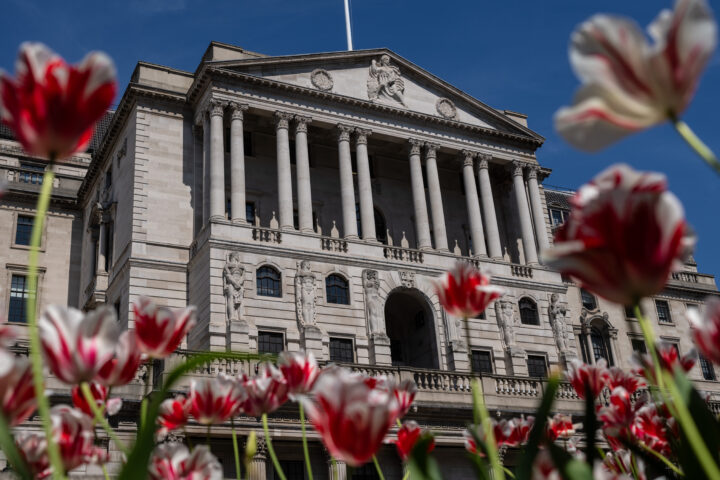
Central banks, including the Bank of England, are urged to maintain vigilance in order to keep inflation expectations stable, suggesting potential interest rate hikes are on the horizon to align with the bank’s 2 per cent inflation target. Governor Andrew Bailey has indicated readiness to take action should the economic situation worsen.
In light of these challenges, Rachel Reeves emphasized that “the war in the Middle East is not one that we started, nor is it a war that we have joined. But it is a war that will have an impact on our country.” She insists that the government’s economic plan will bolster the UK’s finances amid global uncertainties, focusing on regional growth, innovation, and strengthened ties with the EU.
Conversely, shadow Chancellor Sir Mel Stride criticized the government’s economic strategy, contending that the OECD’s downgrade reflects the fragility of the UK economy under current leadership. He highlighted concerns over increased borrowing and spending, attributing stagnant growth and rising inflation, unemployment, and debt to the government’s policies.
Stride also noted a shift towards reliance on imported energy rather than domestic resources, arguing that recent decisions have undermined the UK’s economic strength at a critical time.
The economic implications of the conflict in the Middle East present a complex landscape for the UK as it navigates international pressures and internal fiscal challenges, potentially shaping its strategy for the near future.
This situation underscores the interconnectedness of global events and domestic policy, emphasizing the need for prudent economic governance to mitigate the impact of external shocks.